Giacomo Puccini’s Madame Butterfly stands as one of the most emotionally potent and musically sophisticated operas of the early 20th century. It is a work that transcends its tragic narrative, becoming a deeply immersive soundscape that captures the essence of love, betrayal, cultural conflict, and human vulnerability. Puccini’s genius lies…
-
-
Opera has long been perceived as the pinnacle of high art—grandeur, elegance, soaring voices, and lavish costumes. But beneath its ornate surface lies a surprising truth: opera has consistently served as a powerful platform for political protest and revolutionary expression. From the 19th-century works of Giuseppe Verdi to bold contemporary…
-
Giacomo Puccini’s La Bohème is more than just one of the most beloved operas in the classical canon—it is a raw, emotional exploration of love, youth, and the inevitable shadow of loss. Premiered in 1896 at the Teatro Regio in Turin, La Bohème continues to enchant audiences worldwide with its…
-
Ruggero Leoncavallo’s Pagliacci remains one of the most emotionally charged and dramatically gripping operas in the classical repertoire. Since its premiere in 1892, this masterpiece of the verismo style has captivated audiences worldwide with its raw human emotion, compelling narrative, and unforgettable music. Central to its lasting impact are the…
-
Opera, that grand fusion of music, theater, and visual spectacle, has long held a unique place in the cultural imagination. Once the dominant form of elite entertainment in European society, it was the Netflix of its day—the place to see, be seen, and be moved to tears. But in today’s…
-
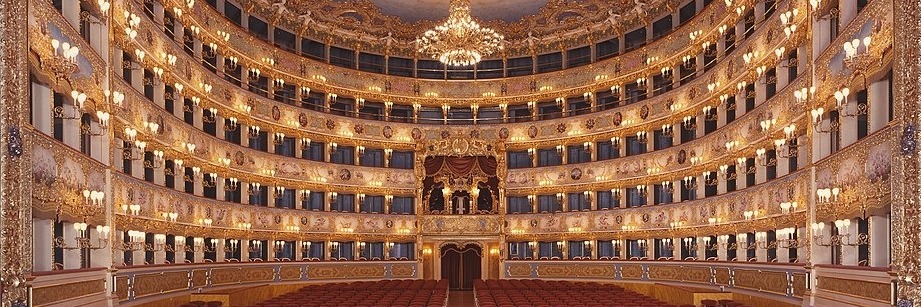
Opera has long been associated with grandeur, luxury, and exclusivity. For centuries, this art form was closely tied to royal courts and the aristocracy, performed in lavish opera houses where the elite would gather to enjoy sophisticated performances. The spatial dimension of opera — the architecture, seating arrangements, and venues…
-
When Giuseppe Verdi completed Falstaff in 1893, the world of opera received not just another premiere—but a seismic shift in the possibilities of comic storytelling on the grand stage. Verdi was eighty years old, a titan whose career had been largely defined by tragic masterpieces like La Traviata, Otello, and…
-
The sweeping tide of history often flows through unexpected channels, leaving imprints on cultures, art forms, and societies in ways that might seem surprising at first glance. One such fascinating intersection lies between the Napoleonic era and the evolution of British opera culture. At first, the idea that a Corsican-born…
-
When Gaetano Donizetti’s Lucia di Lammermoor premiered in Naples in 1835, it didn’t just cement his place among the great composers of the bel canto era—it also opened a door into the shadows. Far from the shimmering elegance and vocal acrobatics typically associated with bel canto, Lucia plunged audiences into…
-
Opera has always been more than music. It is a fusion of art forms—drama, orchestration, staging, and the human voice. At its heart are the singers whose voices rise above orchestras, whose interpretations breathe life into centuries-old scores, and whose presence fills theaters without amplification. These voices do more than…