
Opera in the 18th century was a spectacle of grandeur, emotion, and drama. Lavish costumes, intricate stage designs, and the interplay of music, storytelling, and expressive gestures created experiences that captivated audiences from Naples to Vienna. Yet, amid the soaring arias and elaborate ensembles, there existed a curious and indispensable component: the intermezzo. These short musical interludes, often comic in nature, were more than mere filler between acts; they were an art form that reflected societal trends, provided emotional contrast, and reshaped the operatic experience.
Origins and Purpose of the Intermezzo
The intermezzo emerged as a response to the rigid conventions of opera seria, the dominant form of serious Italian opera during the early 18th century. Opera seria, with its emphasis on noble heroes, tragic plots, and virtuosic arias, could often feel emotionally heavy or even monotonous to audiences. Intermezzo provided a moment of levity, a comic pause that allowed spectators to breathe, laugh, and regain focus before the continuation of a serious narrative.
Initially, intermezzo were performed between the acts of an opera seria. They typically involved two to four characters in light-hearted scenarios, often drawn from everyday life rather than myth or history. The simplicity of these mini-operas, combined with their comic timing and witty dialogue, made them immediately appealing to audiences who craved contrast to the often intense drama of the main opera.
A notable early example is Pergolesi’s La serva padrona (1733), composed as an intermezzo for his opera seria Il prigionier superbo. With just two singers and minimal instrumentation, the work tells the story of Serpina, a clever maid who outwits her master. Its success was unprecedented; the opera quickly gained popularity across Europe and demonstrated that intermezzi could thrive as standalone works, blurring the line between short comedic interlude and fully-fledged opera.
Comic Relief and Emotional Contrast
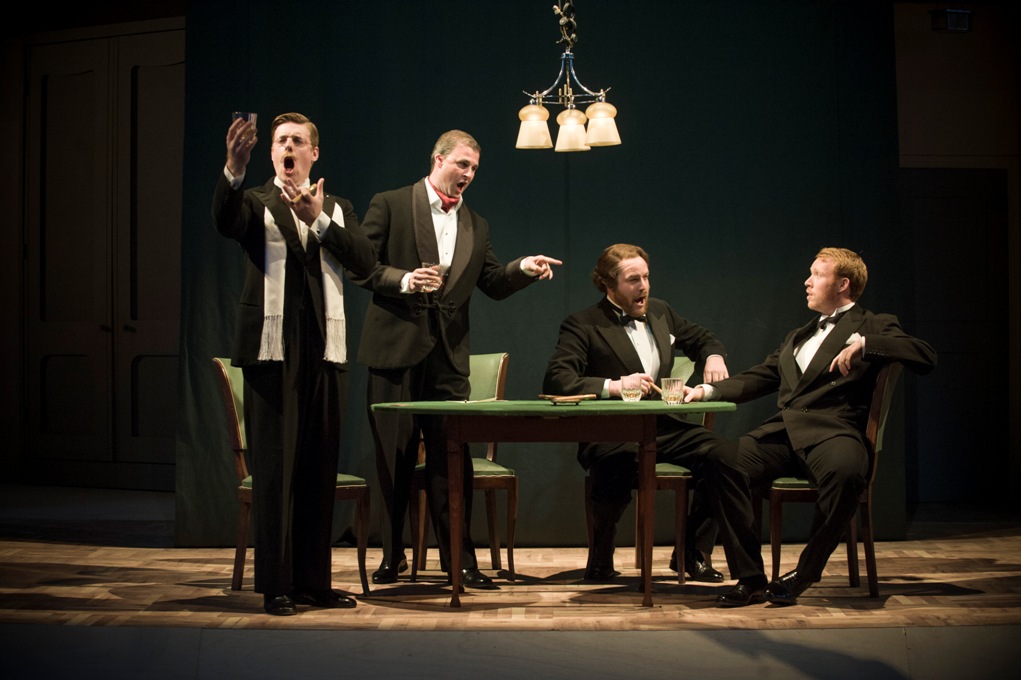
The intermezzo served a dual purpose: comic relief and emotional balance. While opera seria often focused on high-stakes drama—betrayal, unrequited love, and political intrigue—audiences were given a reprieve through these interludes. This contrast heightened the impact of the main opera’s emotional moments. The laughter elicited by an intermezzo allowed the audience to reset emotionally, making the tragic or sublime moments of the main opera resonate even more deeply.
For instance, in Johann Adolf Hasse’s operas, intermezzi frequently provided lighthearted interruptions that balanced the weighty arias of heroes and queens. In Cleofide, though the main opera dealt with political intrigue and romance, the intermezzo offered amusing misunderstandings and everyday antics that drew audiences closer to the human experience rather than the lofty ideals of nobility.
The emotional utility of intermezzo was not accidental. Composers recognized that humor could make operatic storytelling more relatable, and the timing of these mini-performances was critical. Placing them between acts allowed spectators to return to the serious drama refreshed, their emotional palette expanded by the contrast. It was a sophisticated manipulation of audience psychology long before modern dramaturgy formalized the concept.
Musical Innovation and Style
Intermezzo also functioned as laboratories of musical innovation. Freed from the constraints of opera seria, composers could experiment with simpler forms, more playful orchestration, and rhythmically inventive passages. The melodic lines were often more tuneful, the harmonies lighter, and the ensembles more flexible.
Pergolesi’s La serva padrona again stands as a prime example. The overture and arias exhibit clear, accessible melodies designed to delight rather than intimidate. Dialogues between Serpina and her master feature sparkling musical interplay that anticipates the comic genius of later opera buffa. The orchestration is economical, yet each note serves dramatic purpose, whether highlighting a witty retort or underscoring a humorous misunderstanding.
Mozart would later carry forward this tradition in works like Le nozze di Figaro (1786). While not an intermezzo in the strict 18th-century sense, its lineage is unmistakable. The lighthearted ensemble numbers, playful duets, and comic scenarios all owe a debt to the intermezzo that preceded them. Intermezzo demonstrated that brevity could amplify impact, and their influence is evident in how Mozart structured his own operatic moments of comic relief amidst serious narratives.
Cultural and Social Commentary
Beyond entertainment, intermezzo often reflected contemporary social dynamics and attitudes. They depicted servants outsmarting masters, commoners navigating tricky situations, and everyday life imbued with humor. This was subtly subversive. In a period where social hierarchies were rigid, the intermezzo allowed a glimpse of reversal, a playful critique of power and status.
Carlo Goldoni, the playwright behind many intermezzo libretti, understood the resonance of this approach. Works like Il matrimonio segreto (1792), while technically postdating the classical intermezzo era, echo the earlier tradition. The characters’ everyday cunning and human foibles spoke directly to audiences, reminding them that opera could be more than spectacle—it could be a mirror of society, reflecting both its absurdities and its charm.
Intermezzi and Audience Engagement
Audiences of the 18th century were diverse, ranging from aristocrats in grand boxes to merchants in the stalls. The intermezzo played a crucial role in bridging social and cultural divides. Its accessibility allowed broader participation in operatic culture, as spectators could relate to the humor and scenarios regardless of education or social standing.
This inclusivity enhanced the overall appeal of opera. Patrons could enjoy the grandeur of opera seria while simultaneously laughing at the antics of a clever maid or a bumbling servant. In a sense, intermezzi democratized the operatic experience, inviting the audience to engage not just intellectually or aesthetically, but emotionally and socially as well.
Standalone Success and Legacy
While initially intended as interruptions, many intermezzo achieved standalone success, influencing the trajectory of opera. Pergolesi’s La serva padrona eventually sparked the “Querelle des Bouffons” in France, a heated debate over the merits of Italian comic opera versus French serious opera. This controversy highlighted the growing significance of comic interludes and their ability to shape broader musical culture.
The legacy of intermezzo is profound. They laid the groundwork for opera buffa, influencing composers from Cimarosa to Rossini. Their emphasis on relatable characters, witty dialogue, and melodic charm created a bridge between the austere grandeur of opera seria and the more populist, emotionally engaging operatic forms of the late 18th and early 19th centuries. Even in modern opera, the DNA of the intermezzo can be detected in moments designed to provide comic relief or humanize complex narratives.
Famous Operas Featuring Intermezzi
Several 18th-century operas illustrate the power and artistry of intermezzo. Pergolesi’s La serva padrona remains the most celebrated, but other notable examples include Leonardo Vinci’s Artaserse, where intermezzo lightened the tension of politically charged plots, and Niccolò Jommelli’s Didone abbandonata, whose interludes provided humor amid tragic romance. Even Mozart’s early operas, such as Bastien und Bastienne, reflect the influence of intermezzi in their concise storytelling and playful character interactions.
These operas showcase the versatility of intermezzo—not merely as comic relief, but as vehicles for character development, plot progression, and audience engagement. They remind us that pauses in performance are not empty spaces, but deliberate artistic statements, carefully crafted to enrich the operatic experience.
Conclusion
The intermezzo, though brief, was transformative. It disrupted expectations, offered levity, and created a dialogue between the audience and the opera itself. In 18th-century opera, the intermezzo was more than a pause; it was a strategic, artistic, and emotional tool, shaping the way audiences perceived music, drama, and society. Its influence rippled across Europe, inspiring composers and audiences alike, and laying the foundation for the vibrant, character-driven comic operas that would follow.
By examining the intermezzo, we gain not only a deeper understanding of opera’s structure but also a glimpse into the emotional intelligence of its creators. These miniatures remind us that in art, as in life, moments of pause can be as powerful as moments of grandeur. They allow laughter to coexist with tragedy, the ordinary to complement the extraordinary, and the human experience to resonate across centuries.