Opera emerged in late 16th-century Italy as an ambitious synthesis of music, drama, and spectacle, reflecting the artistic and intellectual currents of the Renaissance. The earliest operas, often commissioned by noble courts, were designed to impress audiences with elaborate staging and emotionally powerful music. The first recognized opera, “Dafne,” by Jacopo Peri, exemplified the Renaissance fascination with classical antiquity, drawing inspiration from Greek tragedy and attempting to restore what composers believed was the musical drama of ancient Greece. This early period of opera highlights its role not merely as entertainment but as a cultural mirror reflecting the ideals, values, and aspirations of Europe’s elite.
In Renaissance Italy, opera was both an artistic experiment and a social statement. Courts competed to sponsor the most extravagant productions, showcasing not only musical innovation but also political power and wealth. This interplay between art and status meant that opera quickly became a lens through which European societal hierarchies, gender roles, and intellectual trends could be observed. Composers experimented with vocal techniques, orchestration, and narrative structure, responding to the tastes and expectations of highly educated, culturally influential audiences. The inclusion of mythological and historical themes was deliberate, highlighting both moral lessons and the court’s sophistication.
Opera also reflected broader societal changes in Europe at the time. The Renaissance had emphasized humanism, individual expression, and the pursuit of knowledge, all of which found a natural home on the operatic stage. Audiences were not passive consumers; they engaged with the intellectual and emotional content, interpreting performances in light of their own cultural experiences. Opera served as a testing ground for new ideas about narrative, characterization, and emotional expression, anticipating the transformations that would sweep across European society in the centuries to come. From its very inception, opera’s ambition was to combine entertainment, moral reflection, and artistic excellence, establishing a framework that allowed it to remain a central cultural institution across Europe.
Baroque Opera: Power, Politics, and Spectacle
The 17th century ushered in the Baroque era, a period characterized by grandeur, ornamentation, and intense emotional expression. Opera flourished across Europe, becoming a stage for both artistic innovation and political demonstration. Monarchs and rulers recognized the power of opera to project authority, patronage, and cultural dominance. Courtly opera became a tool of political theater, reinforcing social hierarchies and the legitimacy of rulers while simultaneously entertaining elite audiences with dazzling spectacle. Composers like Claudio Monteverdi transformed the operatic form, emphasizing dramatic contrast, expressive recitative, and intricate vocal lines that heightened the emotional intensity of the narrative.
Baroque opera also mirrored the evolving values and tensions of society. Religious, mythological, and historical subjects were frequently used to comment on contemporary politics or to underscore moral and social hierarchies. The lavish staging, including elaborate machinery, costumes, and scenery, reflected not only artistic innovation but also the wealth and influence of patrons. These productions required the collaboration of architects, designers, musicians, and singers, making opera an early example of large-scale interdisciplinary art reflecting societal priorities and aspirations.
During this period, opera also began to interact more directly with the public beyond aristocratic courts. Public opera houses emerged in cities like Venice, expanding access to a wider social audience and democratizing cultural participation to some extent. These developments reflected broader European trends toward urbanization, economic diversification, and the rise of a more socially mobile audience. Composers began writing to appeal to diverse tastes, integrating humor, sentiment, and moral commentary alongside technical brilliance. The Baroque opera stage became a mirror of the tensions, ambitions, and contradictions of European society, simultaneously celebrating hierarchy and fostering the development of public taste, civic identity, and cultural dialogue.
Classical and Enlightenment Influences on Opera
The 18th century brought the Classical period and the influence of the Enlightenment, and opera evolved in response to these intellectual and cultural shifts. Composers such as Wolfgang Amadeus Mozart exemplified the blending of musical excellence with philosophical engagement. Operas like “The Marriage of Figaro” and “Don Giovanni” explored human behavior, social structures, and moral dilemmas with wit, depth, and dramatic sophistication. Opera increasingly became a medium for social commentary, reflecting the Enlightenment ideals of reason, equality, and individual rights while still maintaining its aesthetic appeal and entertainment value.
In this era, opera emphasized clarity, balance, and structured form, paralleling broader trends in literature, philosophy, and visual arts. The Enlightenment’s focus on rationality and human experience found expression in plots that examined class tensions, ethical dilemmas, and personal ambition. Mozart’s operas, for example, did not merely tell stories; they offered subtle critiques of aristocratic privilege and celebrated intelligence, virtue, and ingenuity. Audiences were encouraged to reflect on societal norms, the dynamics of power, and the nature of human emotion. Opera became both a mirror and a lens, reflecting the state of society while guiding public discourse.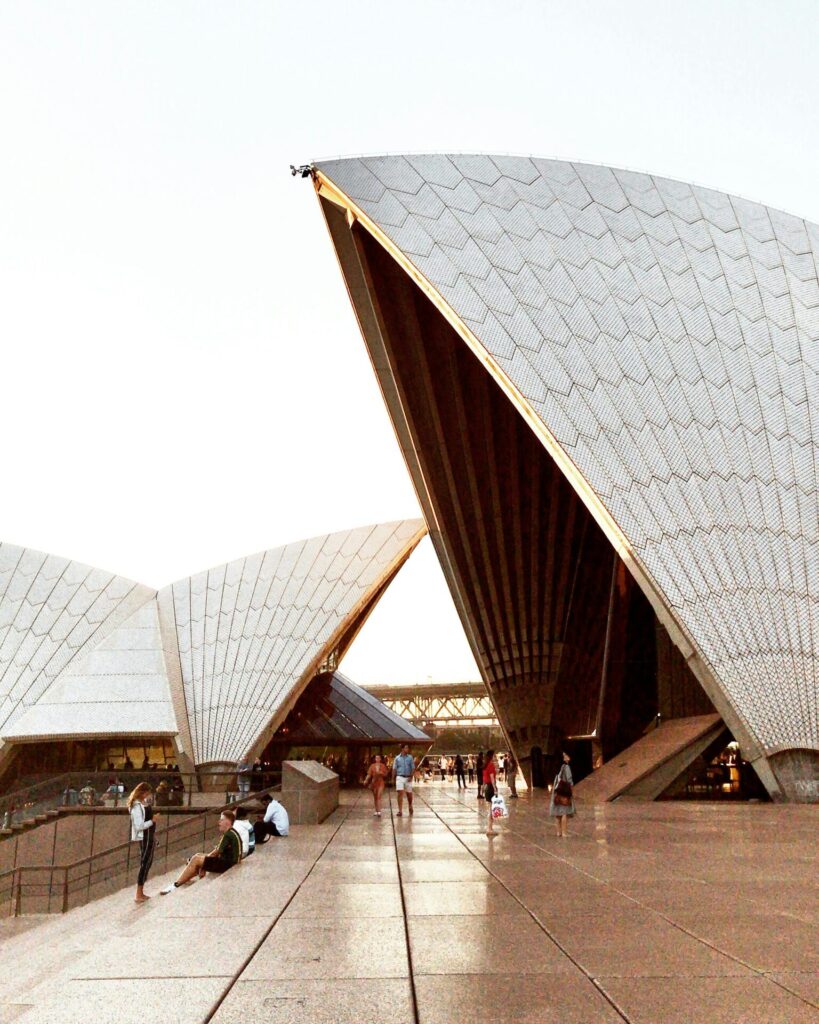
Additionally, opera in the Classical period demonstrated the increasing importance of the public sphere. Composers tailored works to appeal to urban audiences in cities such as Vienna, Paris, and London, where rising bourgeois classes participated actively in cultural life. This shift reflected wider societal transformations, including the rise of literacy, philosophical debate, and civic engagement. Opera was no longer solely the domain of the aristocracy; it became a platform through which ideas about justice, social reform, and personal agency could be explored. By aligning dramatic narrative with moral reflection and aesthetic enjoyment, opera in the Enlightenment period solidified its role as a mirror of both European culture and intellectual evolution.
Romanticism and the Opera Stage as Emotional Landscape
The 19th century saw the rise of Romanticism, an artistic movement emphasizing emotion, individuality, and the sublime. Opera evolved to reflect these changes, prioritizing intense emotional expression, larger orchestral textures, and complex character development. Composers such as Giuseppe Verdi, Richard Wagner, and Giacomo Puccini transformed the stage into a landscape of human passion, political struggle, and existential drama. Romantic opera responded to societal shifts, including nationalism, industrialization, and the expanding influence of popular culture, highlighting the ways in which music could engage with contemporary European experience.
In Romantic opera, the stage became a canvas for both personal and collective identity, exploring themes of love, revenge, power, and rebellion. Wagner’s operas, for instance, integrated music, poetry, and visual spectacle into his concept of the Gesamtkunstwerk, or “total work of art,” reflecting a desire to unify human experience and artistic expression. National identity and historical consciousness became central themes, particularly in Italy, Germany, and France, where operas often incorporated folk melodies, national myths, and political narratives. Audiences experienced both the emotional immediacy of individual drama and the broader resonance of cultural identity, seeing their own societal transformations reflected in the operatic form.
Romantic opera also emphasized the role of the hero, the antihero, and moral complexity, reflecting broader intellectual currents in European literature, philosophy, and politics. Operas of this period mirrored the turbulence of social change, whether in revolutionary movements, the rise of the middle class, or debates about morality, freedom, and justice. The operatic stage became a space where society’s passions, anxieties, and ideals could be dramatized and explored. By focusing on emotion and psychological depth, Romantic opera provided audiences with a mirror of both the external world and the internal human condition, bridging individual experience with broader cultural and historical change.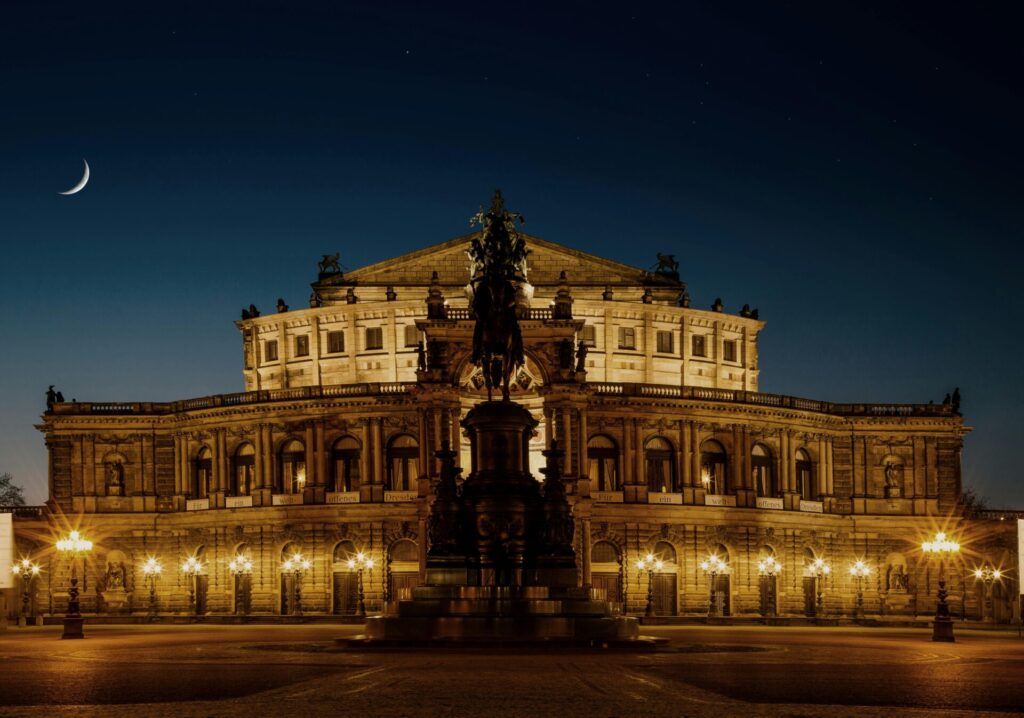
Conclusion: Opera as Europe’s Enduring Mirror
Across centuries, opera has remained one of Europe’s most sensitive and powerful mirrors, reflecting the shifting social, political, and cultural landscapes of the continent. From its Renaissance origins as a courtly display of intellectual and artistic sophistication to its role in Enlightenment debate, Romantic passion, and Modernist experimentation, opera has consistently adapted to the rhythms of European life. It has provided insight into human emotion, societal structures, and cultural ideals, simultaneously entertaining, educating, and provoking reflection.
The enduring relevance of opera lies in its capacity to integrate multiple artistic forms—music, drama, design, and technology—into a unified expression of human experience. Audiences of each era have seen their own lives and societies reflected on the stage, whether through allegorical myth, historical narrative, emotional exploration, or experimental modernist expression. Opera’s ability to absorb, reinterpret, and project societal change ensures that it remains not only a cultural artifact but also a living mirror of contemporary life.
Ultimately, opera exemplifies how art and society are intertwined. It demonstrates that performance is never merely performance; it is a reflection of ideals, anxieties, and aspirations, a barometer of change, and a celebration of human creativity. Across centuries, the operatic stage has chronicled Europe’s evolution, preserving its complexities, conflicts, and triumphs in music and drama. Opera remains a profound testament to the enduring dialogue between society and art, a mirror in which Europe has long seen both itself and its potential.