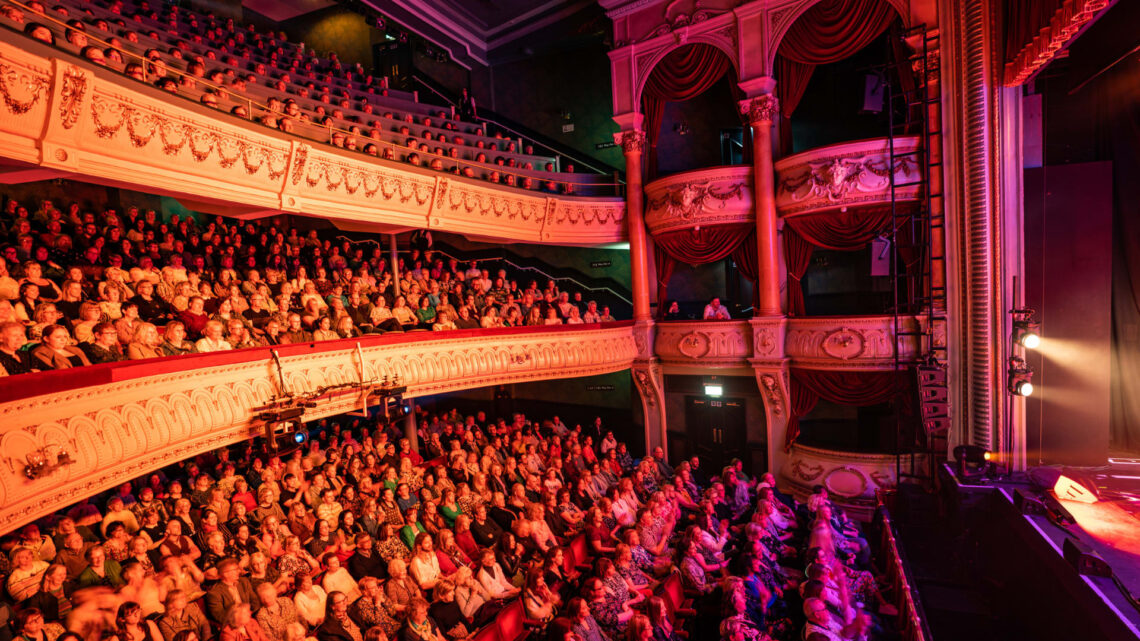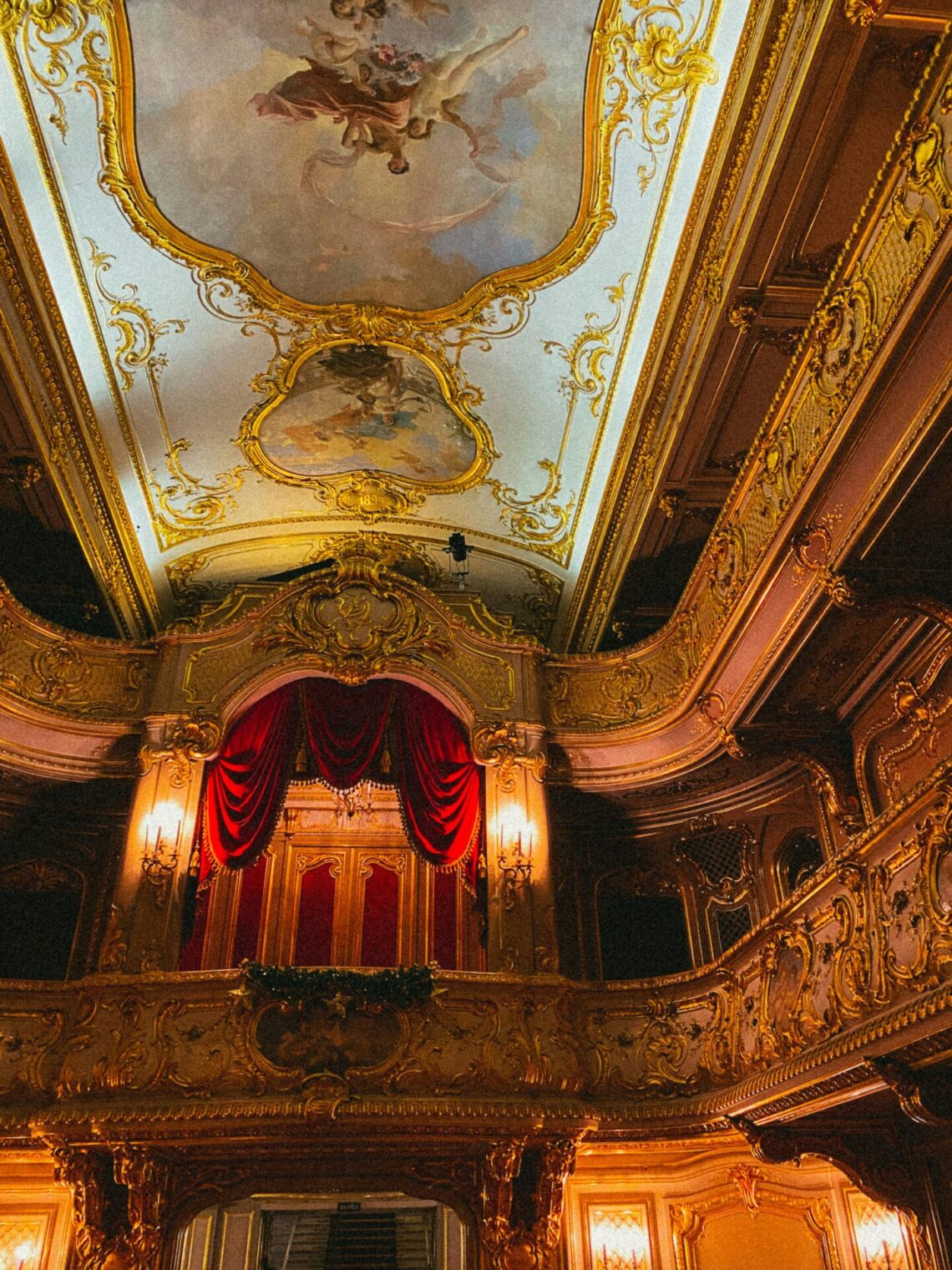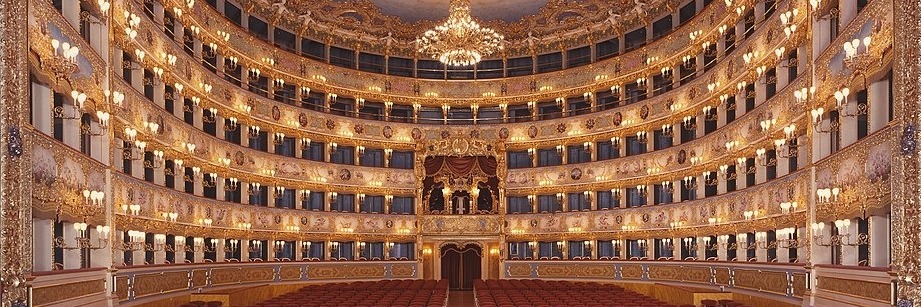
Few art forms encapsulate the full range of human emotion like opera. It is at once theatrical, musical, and deeply philosophical—a convergence of voice, orchestra, and drama that transcends the boundaries of language and culture. Opera is not merely entertainment; it is an emotional architecture, built from sound and story,…
-
-
Richard Strauss’ Capriccio stands as a remarkable testament to the genius of one of the twentieth century’s greatest composers. Premiered in 1942 at the National Theatre in Munich, this opera represents the culmination of Strauss’ operatic journey—a final, reflective work that grapples with the eternal tension between music and words,…
-
Opera, often considered the pinnacle of Western classical music, is not merely a form of entertainment but a cultural mirror reflecting centuries of social, linguistic, and regional identity. Emerging in Italy at the turn of the 17th century, opera began as an ambitious synthesis of music, theater, and poetry. Composers…
-
Giacomo Puccini, a towering figure in the world of opera, is celebrated for his ability to merge breathtaking melodies with profound emotional resonance. Among his extensive repertoire, Turandot stands as his final opera, a work imbued with grandeur, mystery, and an ethereal intensity that continues to captivate audiences over a…
-
The Birth of a Baroque Masterpiece In 1724, London witnessed the premiere of an opera that would forever alter the trajectory of the Baroque stage. George Frideric Handel’s Giulio Cesare in Egitto (Julius Caesar in Egypt) was not just another opera seria in a long line of mythic and historical…
-
Opera has long been regarded as one of the pinnacles of performing arts, blending music, drama, and spectacle into an art form that commands reverence. Yet, despite its cultural importance and artistic grandeur, opera remains an experience often reserved for a relatively small, elite audience. This phenomenon raises critical questions…
-
Opera has always been the grand meeting point of the arts — a fusion of music, theater, and visual splendor. But beneath the soaring arias and dramatic staging lies something even more fundamental: words. Before the first note is written, before the curtain rises, there is a story, often drawn…
-
Michael Tippett’s King Priam, first performed in 1962, stands as one of the most intellectually ambitious and emotionally charged operas of the 20th century. Based on the ancient myths of the Trojan War, Tippett’s work is far more than a mere retelling of Homeric legend; it is a profound exploration…
-
Opera, often described as the grandest of performing arts, is a fusion of music, drama, and visual spectacle. At its peak, during what is now considered the Golden Age, opera captivated audiences across Europe and beyond, shaping culture, society, and the very perception of artistic excellence. From the opulent courts…
-
When György Ligeti unveiled his opera Le Grand Macabre in 1978, audiences were stunned. Here was an apocalyptic vision of the end of the world—yet it was not presented in solemn tones or shattering tragedy. Instead, Ligeti’s opera teetered between the absurd and the grotesque, pushing death itself into the…