Opera has long been regarded as one of the pinnacles of performing arts, blending music, drama, and spectacle into an art form that commands reverence. Yet, despite its cultural importance and artistic grandeur, opera remains an experience often reserved for a relatively small, elite audience. This phenomenon raises critical questions about the economics of prestige in the performing arts. Why is opera, with its rich history and artistic significance, largely inaccessible or unappealing to the masses? How do financial models, cultural perceptions, and institutional practices shape who attends opera and who does not?
This article delves deeply into the complex interplay between prestige, economics, and access within the world of opera. We will explore how opera’s very identity as a “prestigious” art form influences its market dynamics, programming decisions, audience demographics, and funding strategies. By understanding these mechanisms, we can better grasp the challenges and opportunities that shape the future of opera and other performing arts that similarly grapple with issues of exclusivity and sustainability.
The Nature of Prestige in Opera and Performing Arts
Prestige in the performing arts, especially in opera, operates as a multifaceted social and economic phenomenon. Prestige is both an asset and a constraint — it can elevate the perceived value of a performance, but it can also create barriers to broader audience engagement. Opera’s prestige is tied to its historical roots, association with elite culture, and its complex, often expensive production requirements. This prestige often translates into a status symbol for attendees, who view opera as an experience that signifies cultural sophistication, education, and social capital.
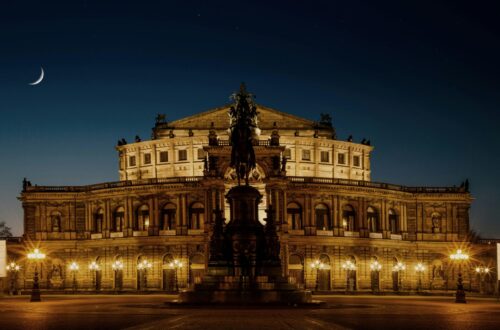
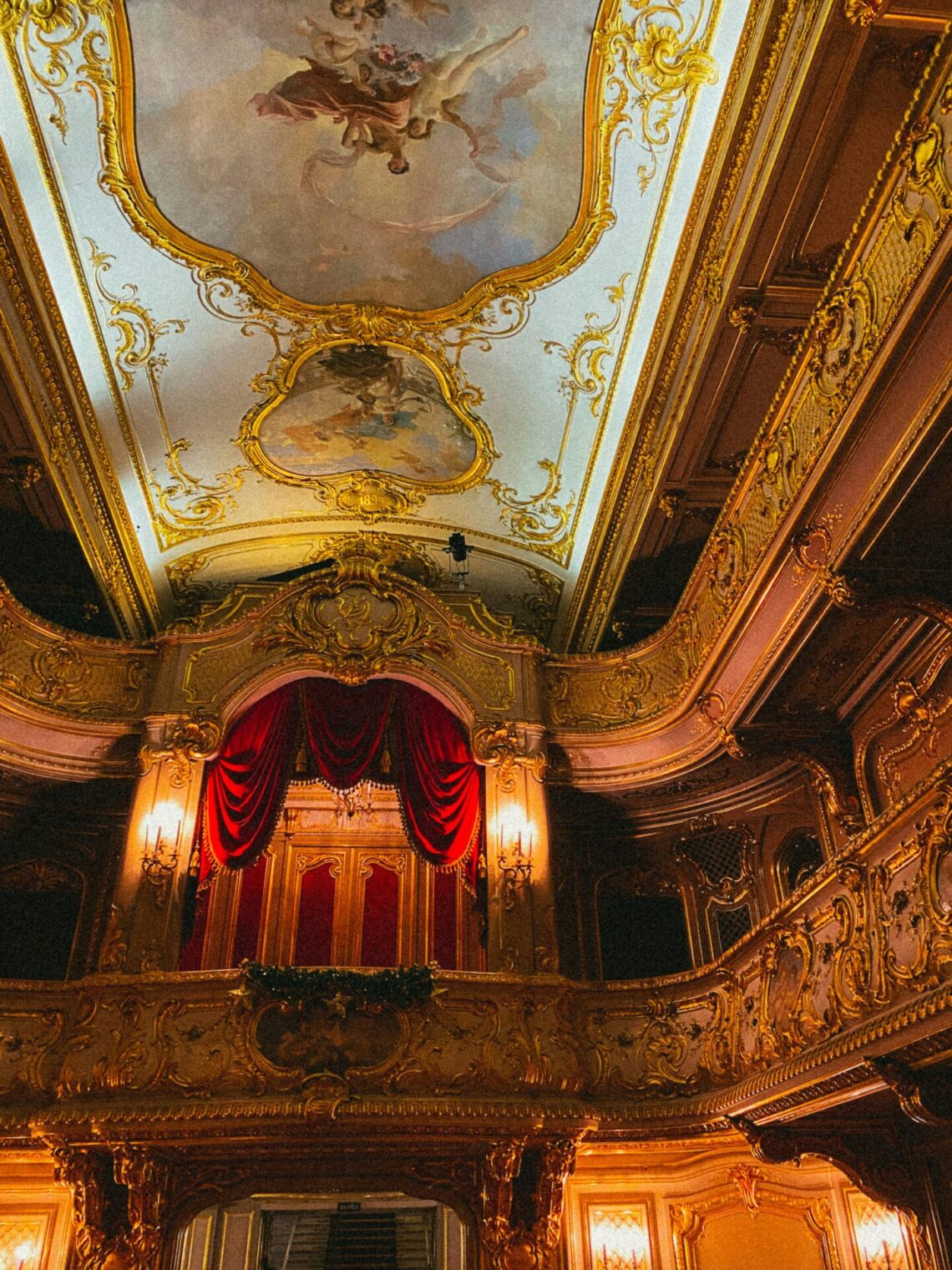
The origins of opera prestige can be traced back to the courts of Renaissance Italy and the grand opera houses of 18th and 19th century Europe, where opera was an entertainment for aristocrats and royalty. This historical context has imbued opera with a sense of exclusivity that persists to this day. Attending opera can signal membership in an elite cultural class, one that appreciates the art form’s linguistic complexity, musical sophistication, and dramatic depth. This exclusivity is reinforced by opera’s use of foreign languages, demanding vocal techniques, and elaborate staging, all of which can intimidate casual or novice audiences.
From an economic perspective, prestige creates a paradox. On the one hand, prestige allows opera companies to command higher ticket prices and attract philanthropic support from affluent patrons who value exclusivity. On the other hand, this same prestige can alienate potential audiences who perceive opera as inaccessible or irrelevant to their lives. The “high art” label can deter younger, more diverse, or less affluent audience segments, leading to a shrinking and aging core audience.
In economic theory, prestige can be understood through the lens of “positional goods,” goods or experiences whose value is derived largely from their exclusivity and ability to confer social status. Opera functions as a positional good for many attendees. The scarcity of affordable tickets, the formality of opera houses, and the cultural codes surrounding the art form reinforce its position as a status marker rather than a mass-market entertainment. This dynamic shapes the economic strategies of opera institutions and limits their potential market size.
Yet, the challenge for opera companies is that prestige cannot be divorced from sustainability. While exclusivity can maintain high prices and donor support, it also limits growth and audience renewal. The economic reality for opera is that prestige must be balanced with accessibility if the art form is to thrive in a changing cultural landscape.
The Economics of Producing Opera: High Costs and Financial Structures
One of the fundamental economic realities that sustain opera’s status as “art for the few” is the extraordinarily high cost of production. Opera productions are some of the most complex and expensive endeavors in the performing arts, involving a unique combination of artistic, technical, and logistical demands.
First, the scale of production is immense. A typical opera involves an orchestra, chorus, lead vocalists, soloists, conductors, stage directors, costume designers, set designers, lighting technicians, and stagehands. The coordination and rehearsal time needed to bring a production to life can span months. The cost of building and maintaining elaborate sets, designing and crafting period costumes, and managing extensive stage mechanics often runs into millions of dollars for a single production. The complexity of live vocal performance adds another layer of difficulty, as casting the right singers and ensuring their vocal health is a costly and challenging task.
Opera houses themselves are also expensive to operate. Many are historic buildings with high maintenance costs, and their large seating capacities require significant revenue to break even. They often rely on state subsidies, philanthropic donations, and sponsorships to cover operational costs, as ticket sales alone rarely generate enough income to sustain their activities.
The ticket pricing strategy reflects these high costs. Given the need to cover fixed expenses and the limited audience size, opera tickets are priced at a premium. While some opera companies offer tiered pricing or discounted tickets, the overall cost remains out of reach for many potential attendees. The high ticket prices reinforce the perception of opera as a luxury experience, which can perpetuate the exclusivity cycle.
Funding models also play a critical role in shaping opera’s economics. Many opera companies rely heavily on public funding and private philanthropy. Governments and arts councils often justify subsidies by emphasizing opera’s cultural and historical importance, as well as its role in education and community engagement. Wealthy donors and corporate sponsors often see supporting opera as a way to align themselves with high culture and prestigious social circles.
This funding mix, however, creates financial pressures and dependencies. Public funding can fluctuate with political priorities, and philanthropic giving can be influenced by broader economic conditions. Additionally, the need to satisfy donors and funders can push opera companies to focus on traditional repertoire and prestigious productions rather than experimental or community-driven programming.
The economic structure of opera production thus creates a self-reinforcing system where high costs necessitate high ticket prices and funding from elite sources, which in turn sustains the art form’s exclusivity. Breaking this cycle requires innovative approaches to cost management, programming, and audience development.
Audience Demographics and Cultural Barriers to Broader Access
Understanding who attends opera and why is crucial to addressing the economics of prestige in the performing arts. The audience for opera has historically been characterized by certain demographic and cultural traits that reflect its elite positioning.
Data from major opera companies worldwide consistently show that opera audiences tend to be older, wealthier, and more highly educated than average populations. Attendance rates among younger generations are significantly lower, which poses a long-term sustainability concern. The high cost of tickets, coupled with perceptions of opera as “elitist” or “stodgy,” discourages wider attendance.
Cultural barriers also play a significant role. Opera’s use of multiple languages (Italian, German, French, etc.) and its often complex, classical music style can be intimidating for those unfamiliar with the genre. Even when surtitles or translations are provided, the combination of music, drama, and cultural references can feel inaccessible. The formality of opera houses — the dress codes, social expectations, and etiquette — can also deter potential new audiences who fear social exclusion or discomfort.
Additionally, the programming of traditional operas can sometimes feel disconnected from contemporary social realities or diverse cultural experiences. This can alienate communities whose histories and identities are not reflected on stage. The lack of diversity in casting and production teams can exacerbate feelings of exclusion.
Efforts to broaden access through outreach, education programs, and community engagement have shown promise but face challenges. Many initiatives aim to introduce opera to youth, lower-income communities, and multicultural audiences, but these efforts require sustained investment and thoughtful programming. When successful, they can help dismantle cultural barriers and generate new interest, but progress is often slow and uneven.
Audience diversification is critical not only for inclusivity but also for economic reasons. A broader, younger, and more diverse audience base can increase ticket sales, justify expanded programming, and reduce reliance on fluctuating philanthropic funding. However, changing the demographics and cultural perceptions of opera requires rethinking the relationship between prestige and accessibility.
Conclusion
Opera’s position as a prestigious performing art form profoundly shapes its economics, audience composition, and cultural impact. The legacy of exclusivity, tied to high production costs and elite social status, has created significant barriers to broader accessibility and audience diversification. The economics of prestige in opera involve a delicate balance: sustaining artistic grandeur and financial viability while engaging a wider and more diverse public.
Breaking the cycle of “opera for the few” requires innovation, openness, and a willingness to rethink what prestige means in a contemporary context. By diversifying programming, leveraging digital technologies, experimenting with venue and ticketing formats, and investing in education and outreach, opera companies can invite new audiences without sacrificing artistic quality.
This balancing act is not unique to opera; it reflects broader tensions in the performing arts between tradition and innovation, exclusivity and inclusivity, high culture and popular appeal. The future of opera — and its economic sustainability — depends on the ability of institutions to embrace this complexity and reimagine prestige as an inclusive, dynamic force rather than a gatekeeping status symbol.
In sum, opera’s enduring challenge is to remain both an art form of the highest cultural value and a vibrant, relevant experience accessible to all who wish to engage with its beauty and power. Only by negotiating this balance can opera continue to thrive as a living, evolving art in the 21st century and beyond.