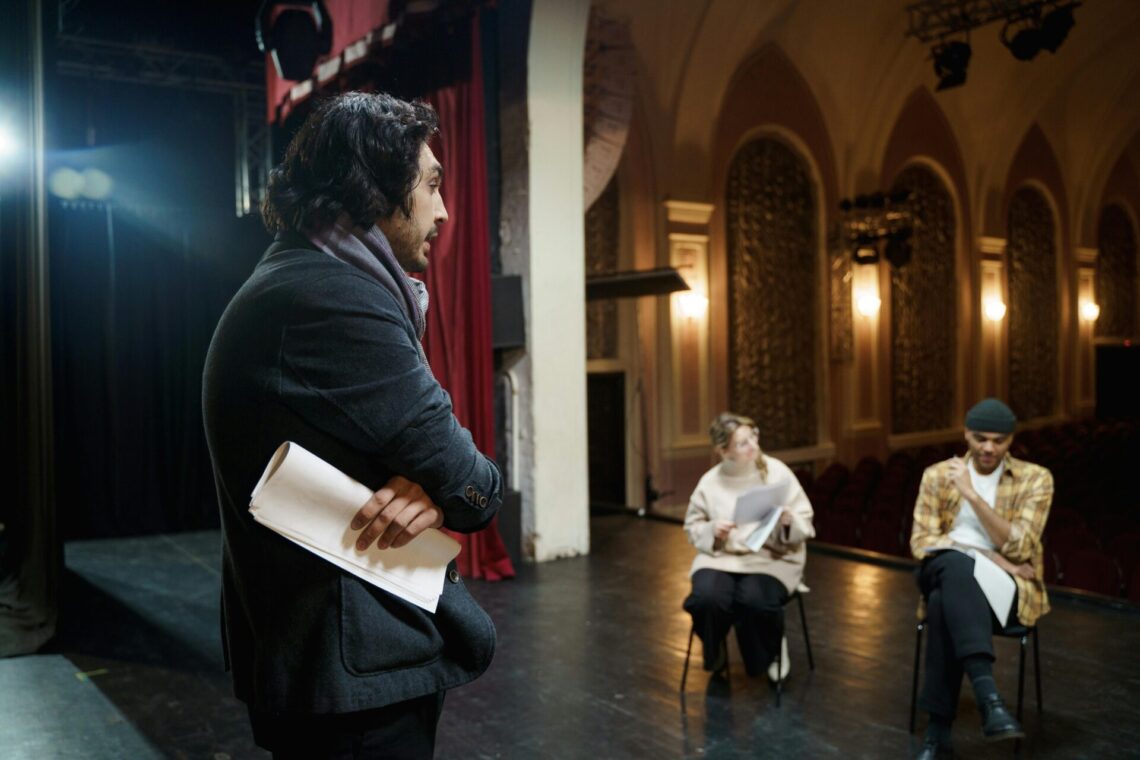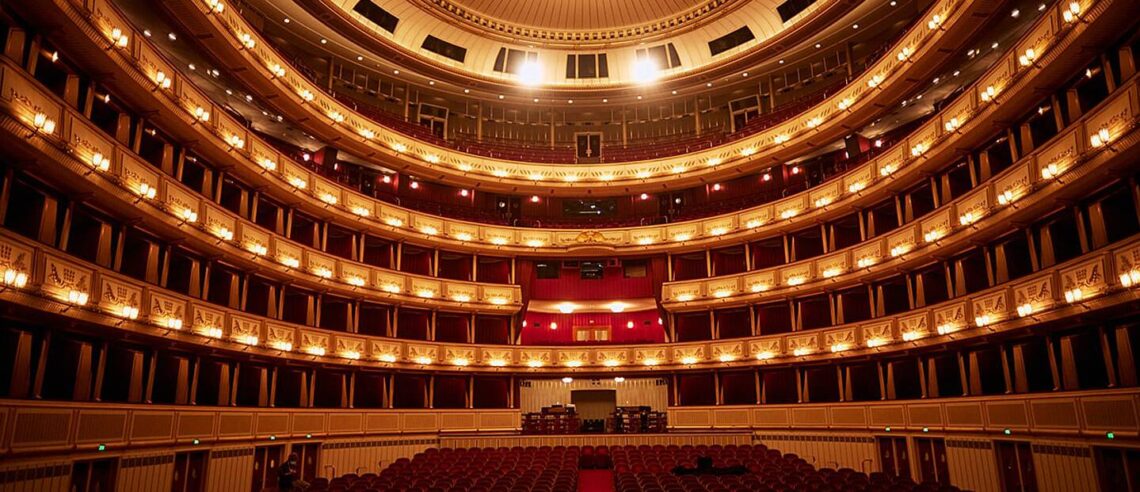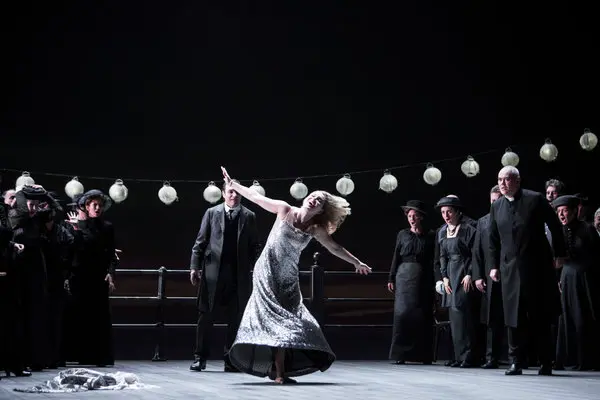
To the average opera-goer, the experience is a visual and auditory feast—majestic sets, soaring voices, precision choreography, and emotive storytelling, all seamlessly unfolding on stage. What few in the audience realize, however, is that every perfectly timed curtain rise, light cue, scene change, and entrance is being meticulously coordinated by…
-
-
Opera, with its grand orchestration, emotive voices, and intricate staging, has long been a theatrical form capable of invoking powerful reactions from audiences. Over centuries, certain premieres have stood out not only for their musical brilliance but for the sheer intensity of their reception—whether it be shock, jubilation, scandal, or…
-
The worlds of ballet and opera have long captivated audiences with their unique blend of artistry, storytelling, and spectacle. Both art forms demand rigorous training, emotional depth, and a profound sense of timing, yet they differ in how they convey narrative, emotion, and aesthetic beauty. After listening to opera music,…
-
Hector Berlioz’s Les Troyens stands as one of the most ambitious and emotionally charged operas in the history of Western music. Written in the mid-19th century, it is not only a monumental achievement in terms of scale and orchestration but also a deeply personal and profoundly moving artistic statement that…
-
Opera, with its soaring arias, grandiose staging, and centuries-old tradition, has long stood as a symbol of refined art and elite culture. However, beyond the velvet curtains and gilded theaters lies a deeper, more strategic role that opera has played for centuries—as a subtle yet powerful tool of diplomacy and…
-
In the panorama of Western music, few operas have left as indelible a mark as Carl Maria von Weber’s Der Freischütz. Premiering in 1821 at the Schauspielhaus in Berlin, this opera is widely celebrated not just for its dramatic flair or its memorable arias, but for its profound role in…
-
Opera has long been regarded as one of the most sophisticated art forms, weaving together music, drama, and visual spectacle into a single experience. Born in Italy during the late Renaissance, opera once represented the pinnacle of cultural refinement, adored by aristocrats and intellectuals alike. But over time, many began…
-
Opera houses have long been celebrated for their opulent lobbies, grand staircases, and dazzling chandeliers. Patrons enter through these palatial facades to experience the dramatic fusion of music, performance, and spectacle. But behind the velvet curtains and gilded prosceniums lies a far more complex world—the backstage architecture that makes opera…
-
Richard Wagner’s Lohengrin is more than an opera; it is a cultural phenomenon that has resonated through nearly two centuries of music, politics, and society. Premiering in 1850 at the Weimar Court Theatre under the guidance of Franz Liszt, Lohengrin emerged at a time of profound social and artistic change…
-
The Uniqueness of Beethoven’s Operatic Voice When we think of Ludwig van Beethoven, our minds usually turn to symphonies, concertos, or piano sonatas. His name resonates with heroic themes, innovations in musical form, and the relentless pursuit of artistic truth. Yet tucked inside his vast catalogue of orchestral and chamber…