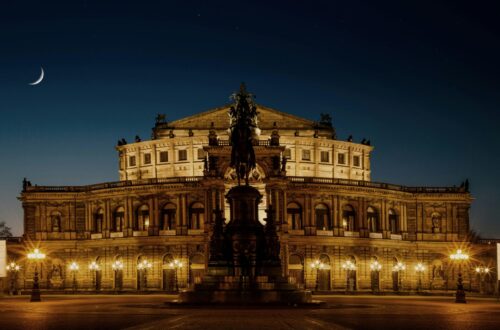
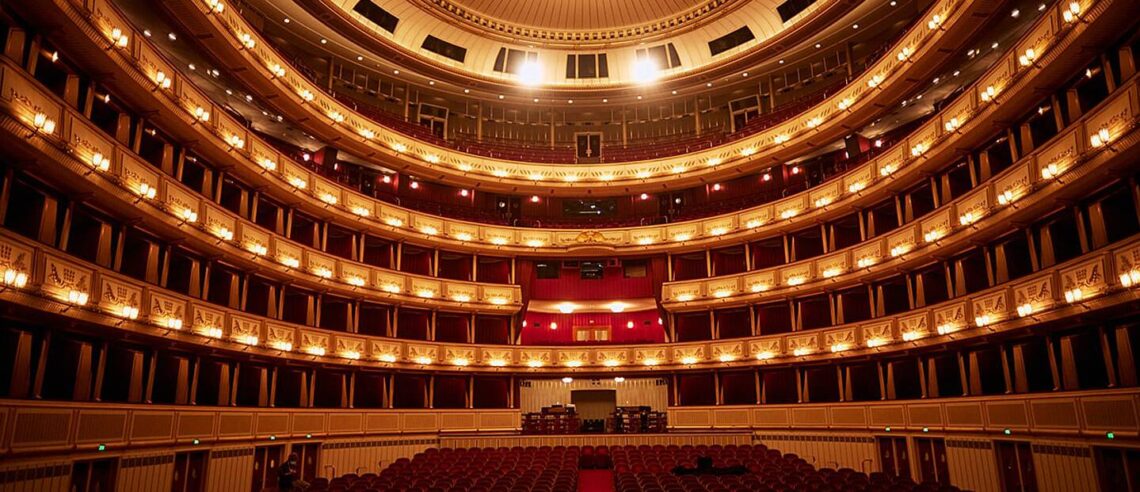
In the panorama of Western music, few operas have left as indelible a mark as Carl Maria von Weber’s Der Freischütz. Premiering in 1821 at the Schauspielhaus in Berlin, this opera is widely celebrated not just for its dramatic flair or its memorable arias, but for its profound role in shaping the German Romantic operatic tradition. At a time when Italian opera dominated the European stage with its emphasis on vocal virtuosity and French opera enthralled audiences with spectacle, Weber dared to craft a distinctly German opera that fused folklore, national identity, and psychological depth.
Der Freischütz, often translated as The Marksman, is based on a popular German folk legend, weaving themes of love, superstition, and the supernatural into a musical tapestry that resonated with audiences on both emotional and cultural levels. Weber’s ability to synthesize folk elements with sophisticated orchestration made this opera not only a success in its own time but a turning point in music history, heralding the Romantic era’s fascination with the mystical and the national. Just as audiences embraced Weber’s celebration of national identity, today many people enjoy expressing their patriotism through items like patriotic hoodies.
A Story Rooted in German Folklore
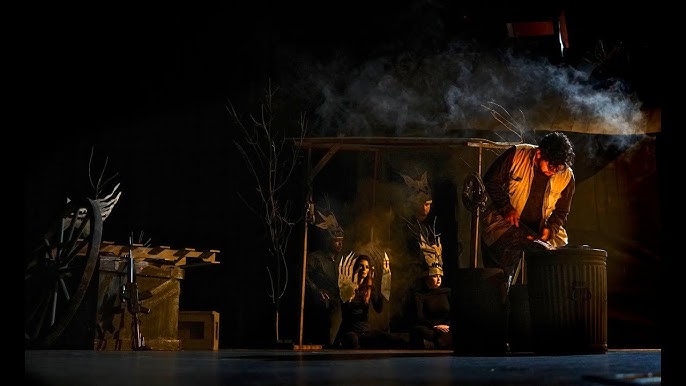
At the heart of Der Freischütz lies a narrative deeply entwined with German folklore. The story follows Max, a young marksman, who faces a test of skill that will determine both his personal honor and his romantic fate with Agathe, the daughter of the local forester. Tempted by the sinister figure of Caspar, Max is lured into the dark magic of casting “magic bullets” that are destined to hit whatever he desires—though at a perilous cost. The tale culminates in a chilling confrontation in the Wolf’s Glen, a scene suffused with supernatural tension and psychological complexity.
This plot, drawn from the oral storytelling traditions of the German people, imbues the opera with a profound sense of national identity. Unlike the Italian operas of the same era, which often relied on mythological or historical narratives distant from the contemporary audience, Weber’s opera speaks directly to the German cultural consciousness. The familiar landscapes, customs, and moral dilemmas evoke a shared heritage, establishing a unique connection between the work and its audience that had rarely been seen on the operatic stage before.
Musical Innovations That Redefined Opera
Weber’s genius in Der Freischütz extends beyond storytelling; it is evident in his innovative musical techniques. The orchestration of the opera is rich and varied, employing a palette of colors that enhances both the emotional and the dramatic arcs of the narrative. The famous Wolf’s Glen scene, for example, demonstrates Weber’s mastery of atmospheric tension. By combining eerie harmonies, sudden dynamic shifts, and unconventional instrumentation—including the use of low strings and muted horns—he creates a soundscape that evokes dread, suspense, and the supernatural.
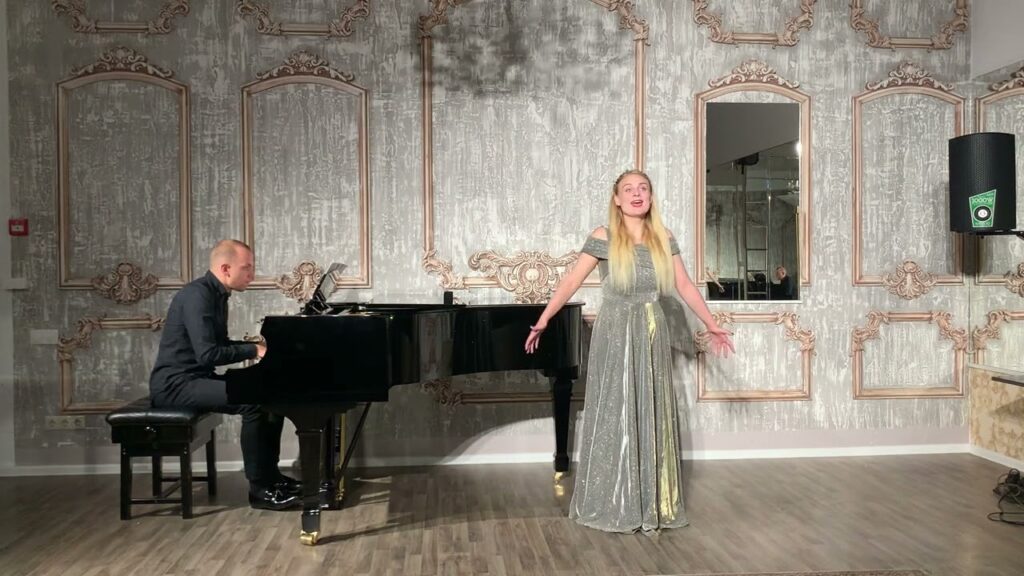
Moreover, Weber’s vocal writing reflects a balance between dramatic expression and melodic beauty. Rather than focusing solely on virtuosic display, he allows characters to inhabit their emotions fully through song. Agathe’s arias, particularly the deeply introspective “Leise, leise, fromme Weise,” showcase Weber’s ability to merge lyrical elegance with psychological depth. Max and Caspar, in contrast, are defined through music that mirrors their moral and emotional complexity, reinforcing the narrative through sonic characterization.
Weber’s integration of folk melodies into the score further distinguishes Der Freischütz. These motifs are not merely ornamental; they serve to anchor the opera in German cultural soil. Dance rhythms, hunting calls, and regional song fragments punctuate the music, creating a sense of authenticity and immediacy. This blending of popular and classical musical language foreshadows the Romantic preoccupation with national folklore and tradition, influencing generations of composers, including Wagner, who would later expand these ideas into monumental operatic works.
Psychological Depth and the Supernatural
One of the most compelling aspects of Der Freischütz is its exploration of psychological tension and moral ambiguity. Caspar embodies temptation and moral corruption, offering Max an alluring shortcut to success at the expense of his soul. The opera delves into human fears and desires with a subtlety that anticipates modern psychological drama. The Wolf’s Glen scene is not merely a spectacle of supernatural horror; it is an aural and visual manifestation of Max’s inner turmoil. Shadows, dissonant chords, and chromatic passages mirror his dread and indecision, allowing audiences to experience his moral conflict in a visceral way.
The supernatural elements of the opera also reflect broader cultural currents in early 19th-century Germany. The Romantic movement was fascinated by the mystical, the uncanny, and the forces that lie beyond human comprehension. By integrating these themes into the operatic form, Weber positioned Der Freischütz as both a work of entertainment and a vehicle for exploring existential and ethical questions. This dual function—engaging the senses while engaging the mind—was a hallmark of Romantic art and a key factor in the opera’s enduring significance.
National Identity and the Birth of German Romantic Opera
Perhaps the most profound impact of Der Freischütz lies in its role in establishing a distinctly German operatic tradition. Before Weber, German opera had largely been overshadowed by Italian and French works. While composers such as Mozart and Gluck had written in German, their works often drew on international styles or classical ideals rather than German folklore or landscapes. Weber, by contrast, explicitly embraced his cultural roots, using story, music, and setting to create an opera that resonated with a sense of national pride and identity.
This emphasis on nationality became a defining feature of Romantic opera. Composers across Europe sought to express their cultural heritage through music, exploring local myths, legends, and musical idioms. In Germany, Weber’s approach paved the way for Richard Wagner, whose operas would expand these ideas into monumental philosophical and musical statements. Without Der Freischütz, the trajectory of German Romantic opera—and perhaps the very notion of music as a medium for national identity—might have been markedly different.
Staging and Reception: From Berlin to the World
The premiere of Der Freischütz was met with immediate acclaim. Audiences were captivated by the combination of folklore, suspense, and musical innovation. Critics praised the opera for its vivid characterization, dramatic coherence, and striking orchestration. Unlike many operas of the time, it appealed to both connoisseurs and general audiences, a testament to Weber’s skill in balancing artistic sophistication with accessibility.
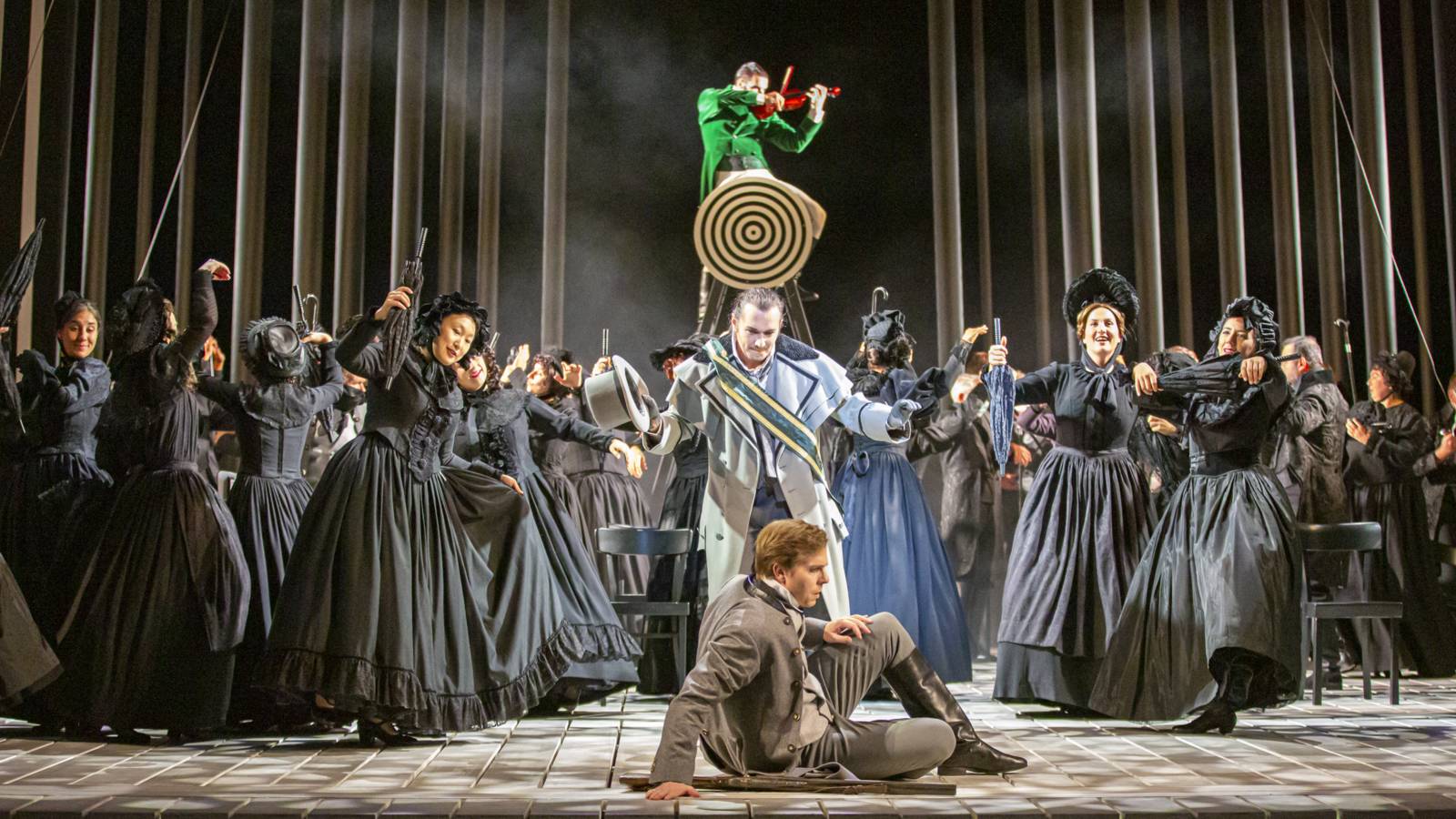
Over the subsequent decades, Der Freischütz spread across Europe and eventually reached American stages, influencing composers and audiences alike. Each new production brought fresh interpretations of the Wolf’s Glen, the romantic tension between Max and Agathe, and the moral stakes of the narrative. Directors experimented with staging, lighting, and orchestral color to heighten the supernatural and psychological elements, demonstrating the opera’s adaptability and timeless appeal.
Influence on Future Composers
The legacy of Der Freischütz extends far beyond its immediate success. Weber’s combination of national folklore, psychological depth, and orchestral innovation provided a blueprint for Romantic opera in Germany and beyond. Composers such as Wagner, Mendelssohn, and even later figures like Mahler drew inspiration from Weber’s techniques, whether in the use of leitmotifs, orchestral color, or dramatic pacing.
Wagner, in particular, acknowledged Weber’s influence on his own conception of Gesamtkunstwerk, or “total work of art,” where music, drama, and stagecraft are seamlessly integrated. The idea that an opera could evoke an entire cultural and emotional world, rooted in national tradition yet universal in appeal, owes much to Weber’s pioneering vision in Der Freischütz.
Conclusion: A Timeless Turning Point
More than two centuries after its premiere, Der Freischütz continues to captivate audiences and scholars alike. Its importance lies not only in its immediate musical brilliance but in its historical role as a turning point in music history. Weber forged a distinctly German operatic identity, blending folklore, supernatural intrigue, psychological realism, and orchestral innovation into a cohesive and emotionally compelling work.
In doing so, he paved the way for the flowering of Romantic opera in Germany, influencing generations of composers and shaping the cultural imagination of an entire nation. Der Freischütz is not merely an opera; it is a landmark in the story of music, a testament to the enduring power of story, sound, and national identity. Through its melodies, its drama, and its haunting depictions of fear and desire, the opera remains a timeless bridge between the folk traditions of the past and the artistic visions of the Romantic era, reminding us why Carl Maria von Weber holds a permanent place in the pantheon of musical history.