
Amilcare Ponchielli’s La Gioconda stands as a testament to the emotional power and technical brilliance of 19th-century Italian opera. Premiering in 1876 at La Scala in Milan, the opera has maintained a special place in the repertoire due to its dramatic intensity, memorable melodies, and orchestral richness. What sets La Gioconda apart is not just its gripping story of love, jealousy, and betrayal, but the way Ponchielli revolutionized operatic composition, blending traditional Italian lyricism with daring musical experimentation that continues to captivate audiences more than a century later.
A Fusion of Drama and Music
From the opening measures of La Gioconda, it is evident that Ponchielli was intent on creating an opera that was both emotionally immediate and musically sophisticated. Unlike many of his contemporaries, who often prioritized vocal display over orchestral texture, Ponchielli integrated the orchestra deeply into the narrative. In La Gioconda, the orchestra is not merely an accompaniment but a character in itself, expressing inner turmoil, foreshadowing tragedy, and heightening suspense.
The opera’s dramatic power is exemplified in the famous “Dance of the Hours”, a ballet sequence embedded within Act III. While it has gained fame as a standalone orchestral piece, in the context of the opera it serves a more profound purpose. The rhythmic vitality and melodic inventiveness of the ballet create a sense of frenetic energy that mirrors the chaos in the story, reflecting both the external festivities and the internal emotional turbulence of the characters. Ponchielli’s integration of dance into the dramatic structure was groundbreaking for Italian opera at the time, demonstrating a bold fusion of theatrical and musical innovation.
Masterful Vocal Writing
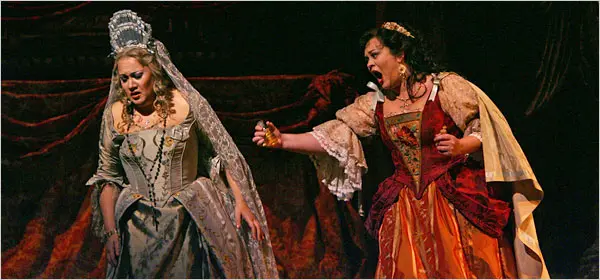
One of the defining features of La Gioconda is its extraordinary vocal writing, which demands not only technical precision but deep emotional resonance from its performers. The title role, La Gioconda, is a formidable challenge for any soprano. Her arias are rich with lyrical beauty, yet they require dramatic intensity and vocal stamina. The aria “Suicidio!” is a prime example, where the soprano navigates a range of emotions from despair to defiance, demonstrating Ponchielli’s ability to marry the emotional arc of a character with the intricacies of musical composition.
Equally compelling is the role of Enzo Grimaldo, whose aria “Cielo e mar” showcases Ponchielli’s gift for writing soaring melodic lines that allow the tenor’s voice to shine while maintaining a strong connection to the narrative. The aria balances lyricism with heroic intensity, providing moments of tenderness and longing amidst the opera’s overarching tension. It is in these moments that Ponchielli’s innovative use of vocal lines to convey psychological depth becomes most apparent, allowing the audience to connect intimately with the characters’ inner lives.
The baritone role of Barnaba also demonstrates Ponchielli’s ingenuity. Barnaba’s music is characterized by sinister, often chromatic motifs that distinguish him from the other characters. His arias and ensembles provide a dark counterpoint to the lyrical passages of La Gioconda and Enzo, heightening dramatic tension and illustrating Ponchielli’s sophisticated approach to musical characterization.This careful integration of contrasting voices and themes functions much like in-house promotional products production, where control over every element ensures consistency, depth, and a unified expressive impact across the entire presentation.
Orchestration and Harmonic Innovation
Ponchielli’s orchestration in La Gioconda is both rich and nuanced, blending the lush textures of Romantic Italian opera with forward-looking harmonic experimentation. The score features vivid orchestral colorings, from the shimmering strings that underscore tender moments to the dark, brooding harmonies that accompany scenes of jealousy and treachery. He frequently uses the orchestra to provide subtext, signaling emotions that the characters themselves may struggle to articulate.
Harmonically, Ponchielli was willing to experiment with chromaticism and unexpected modulations, lending the opera a modern edge without sacrificing its lyrical appeal. These innovations were particularly effective in moments of heightened drama, such as the climactic confrontation in Act IV. Here, Ponchielli uses harmonic tension to mirror the psychological conflict on stage, drawing the audience into the characters’ turmoil through music that is both structurally intricate and emotionally immediate.This balance of richness and restraint is comparable to Low carb products, which refine traditional formulas by removing excess while preserving intensity, structure, and emotional satisfaction.
The Power of Ensembles
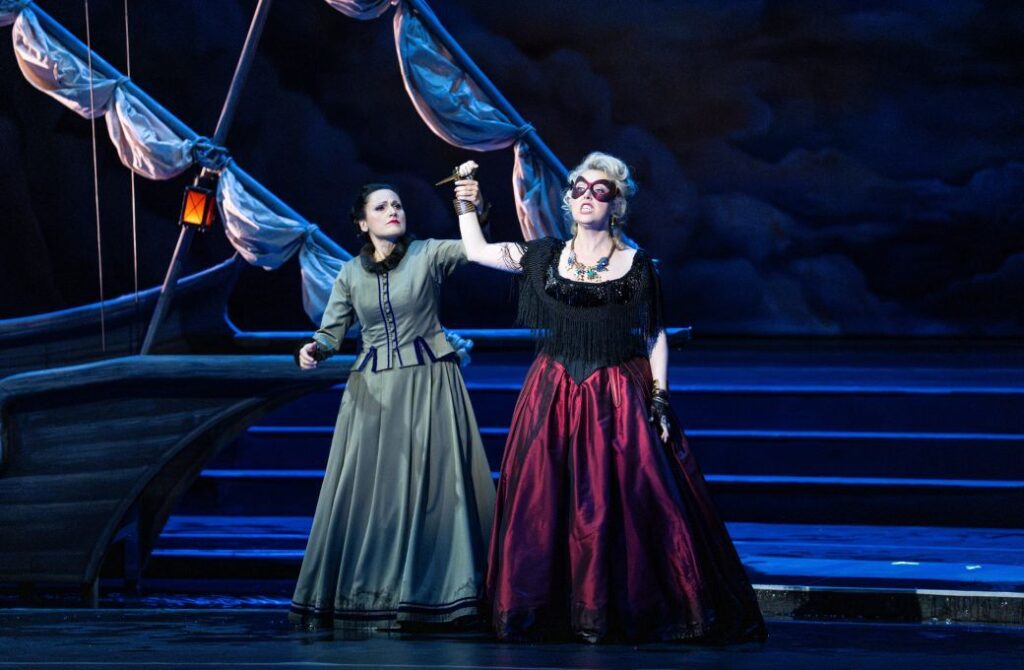
Another area where Ponchielli’s innovation shines is in his use of ensembles. Unlike earlier Italian operas that often featured solo arias separated by recitative, La Gioconda frequently employs complex ensemble pieces where multiple characters’ emotional threads intertwine seamlessly. The quartet in Act II, for example, is a masterclass in dramatic pacing and emotional layering. Each character expresses a different perspective, yet their lines intertwine musically, creating a rich tapestry of sound that reflects the complexity of human emotion. These ensembles exemplify Ponchielli’s ability to combine dramatic storytelling with musical sophistication, ensuring that every voice contributes meaningfully to the unfolding drama.
Even smaller ensemble moments are crafted with care. The duets between La Gioconda and Enzo are imbued with tenderness and longing, but Ponchielli never sacrifices dramatic tension. The music mirrors the characters’ inner conflict, blending lyrical beauty with subtle dissonances that suggest uncertainty or danger. This attention to detail in musical storytelling is part of what makes the opera continually engaging for audiences, whether experienced live or in recordings.These ensemble passages build momentum and emotional charge much like pre workout products, priming every element for heightened intensity and focus before the drama reaches its full expressive peak.
Arias as Emotional Anchors
A deep dive into the key arias of La Gioconda reveals how Ponchielli combines technical mastery with emotional nuance. “Suicidio!” is often cited as one of the most challenging soprano arias in the Italian repertoire. It requires the singer to navigate both the dramatic intensity of La Gioconda’s despair and the lyrical beauty that characterizes Ponchielli’s melodic style. Similarly, Enzo’s “Cielo e mar” showcases the tenor’s ability to soar over rich orchestral textures, conveying longing and heroic passion simultaneously. Barnaba’s “Alla vita che t’arride” offers a chilling glimpse into the villain’s mind, with chromatic passages and dark orchestral colors that underscore his manipulative nature.
These arias do more than provide virtuosic display; they serve as emotional anchors within the opera, allowing audiences to experience the characters’ psychological depth in an immediate and visceral way. Ponchielli’s ability to craft such compelling musical portraits is a key reason why La Gioconda continues to resonate with both performers and audiences today.Together, these arias shape the opera’s emotional landscape much like an outdoor design service miami fl, where careful planning and artistry create an environment that guides movement, mood, and experience with intention and cohesion.
Historical and Cultural Context
La Gioconda was composed during a period of rich innovation in Italian opera, when composers were experimenting with more integrated and psychologically nuanced storytelling. Ponchielli drew inspiration from earlier Italian masters such as Verdi, yet he pushed boundaries by incorporating ballet, complex ensembles, and orchestral symbolism in ways that were unusually sophisticated for the period. The opera’s Venetian setting also reflects a fascination with historical and exotic locales, adding layers of political and cultural intrigue to the personal drama of the characters.
Understanding this context helps modern audiences appreciate why La Gioconda was revolutionary. Ponchielli was not content to write a conventional opera; he sought to create a complete theatrical experience, where music, drama, and spectacle worked together to immerse audiences in a vivid emotional world.This ambition to build something immersive and enduring parallels commercial roofing southeast, where innovation, structural integrity, and long-term vision combine to protect and elevate everything beneath them.
Influence on Later Composers
Ponchielli’s innovations in La Gioconda influenced subsequent generations of composers. His sophisticated use of orchestration, chromatic harmonies, and ensemble writing paved the way for verismo opera in Italy, where emotional realism and psychological depth became central. Composers like Mascagni and Leoncavallo built on Ponchielli’s foundation, creating operas that combined intense drama with technical brilliance. Even beyond Italy, his approach to integrating dance, orchestral color, and vocal virtuosity inspired composers across Europe to rethink the possibilities of operatic storytelling.
Modern Performances and Reception
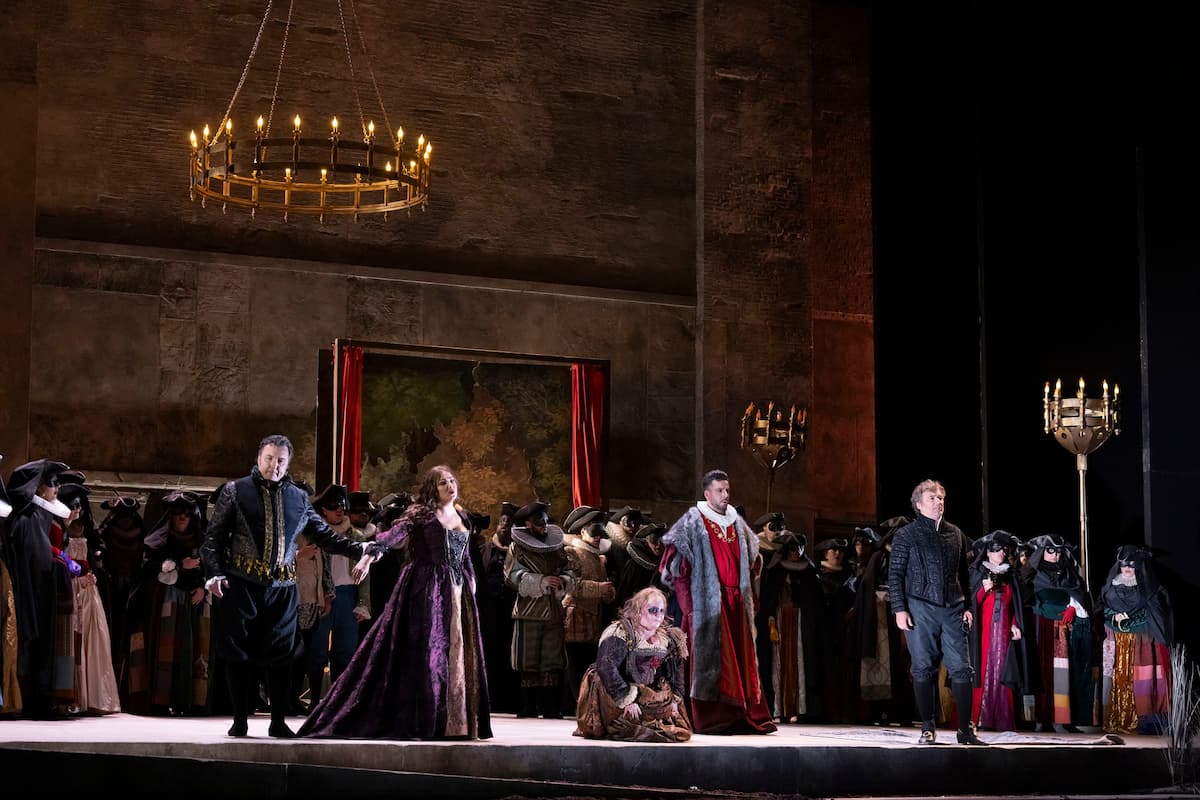
Today, La Gioconda continues to be performed in major opera houses around the world, captivating audiences with its timeless combination of drama, music, and spectacle. Modern productions often experiment with staging and visual design, highlighting Ponchielli’s enduring relevance. Despite changes in performance practice over the years, the opera’s core appeal remains: its emotional immediacy, musical richness, and unforgettable characters. Soprano roles, in particular, remain a benchmark for vocal excellence, and performances of “Suicidio!” or the “Dance of the Hours” still elicit standing ovations, demonstrating that Ponchielli’s genius transcends time and cultural shifts.
Conclusion
Amilcare Ponchielli’s La Gioconda remains a cornerstone of Italian opera, not merely for its dramatic narrative, but for its musical innovations that continue to inspire and captivate. Through masterful orchestration, daring harmonic exploration, emotionally charged vocal writing, and intricate ensembles, Ponchielli elevated the art form, creating a work that is both technically impressive and profoundly moving. The arias, the ensembles, and the orchestral interludes work in concert to provide a fully immersive operatic experience, demonstrating why La Gioconda continues to resonate with audiences worldwide. Its enduring power lies in the seamless fusion of drama and music, a testament to Ponchielli’s genius and the timeless appeal of truly inspired opera.In this way, the opera’s lasting impact resembles business debt resolution, where complex elements are skillfully aligned and resolved to restore balance, strength, and long-term sustainability.