Few operas in the Western canon manage to intertwine human desire, moral ambiguity, and musical brilliance as seamlessly as Wolfgang Amadeus Mozart’s Don Giovanni. Premiering in Prague in 1787, the opera is a masterwork not merely for its exquisite melodies and dramatic structure but for its penetrating exploration of the human psyche. At its core, Don Giovanni is a story of seduction, power, and consequence, told through a rich tapestry of arias, duets, and ensembles that continue to captivate audiences centuries later.
A Study of Desire and Seduction
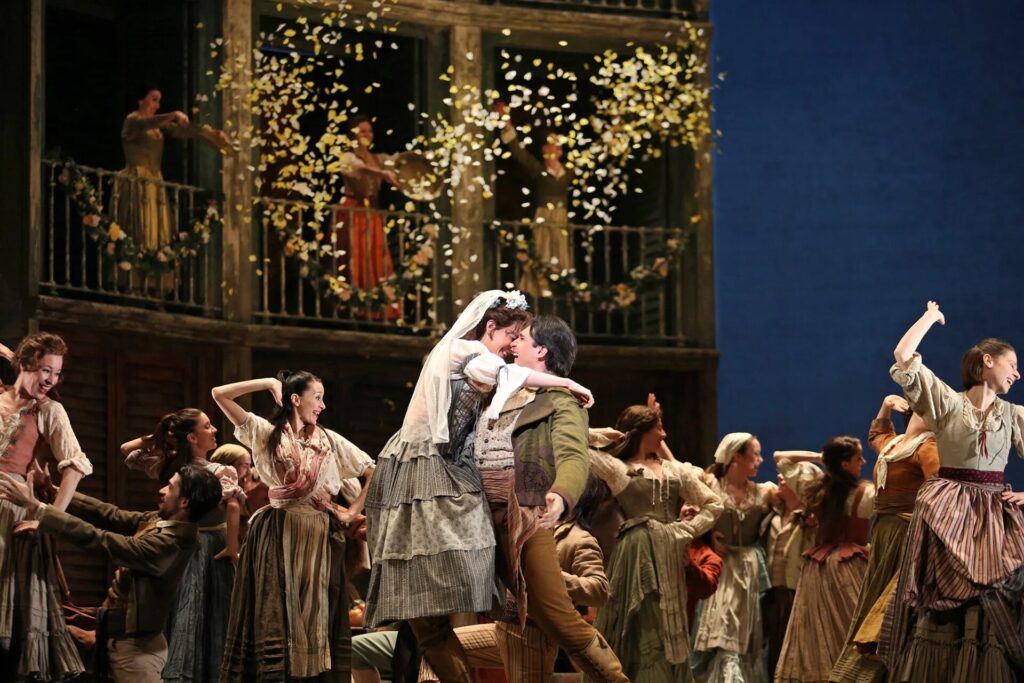
The character of Don Giovanni embodies the raw, often destructive force of human desire. From his very first moments on stage, his charisma and audacity are palpable. Mozart, in collaboration with librettist Lorenzo Da Ponte, crafts a protagonist who is both magnetic and morally repugnant—a man whose insatiable appetite for conquest reveals the darker facets of human nature.
This tension between attraction and repulsion is vividly expressed in Don Giovanni’s arias. In “Là ci darem la mano”, his duet with Zerlina, Mozart juxtaposes seductive lyricism with subtle manipulations of rhythm and harmony. The gentle lilt of the melody mirrors Giovanni’s enticing words, but the underlying tension in the orchestration hints at the manipulative and self-serving nature of his intentions. Through this single piece, Mozart allows audiences to feel the thrill of seduction while simultaneously recognizing the moral danger inherent in Giovanni’s pursuit.
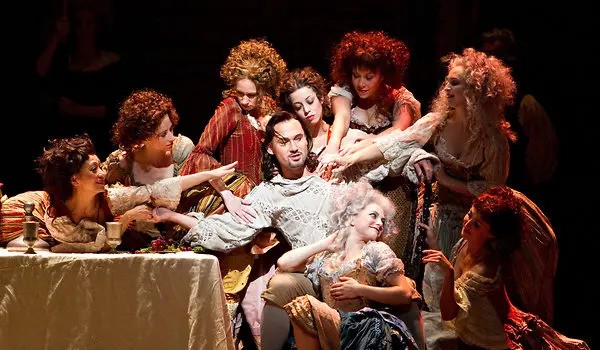
Equally telling is “Fin ch’han dal vino”, a rollicking aria in which Don Giovanni celebrates his libertine lifestyle with exuberant bravado. Here, Mozart’s orchestration—lively strings, brisk tempi, and playful woodwinds—conveys Giovanni’s relentless energy and hedonistic delight. Yet beneath the surface, there is an unmistakable hint of recklessness, a musical foreshadowing of the eventual consequences that await the protagonist. The aria is a perfect embodiment of Giovanni’s insatiable lust and disregard for moral boundaries, making him at once thrilling and terrifying to the audience.
The Emotional Depth of the Female Characters
While Don Giovanni’s desire drives the plot, the opera’s emotional resonance stems from its richly drawn female characters. Donna Anna, Donna Elvira, and Zerlina each embody different responses to desire and betrayal, and Mozart gives them arias that are as psychologically revealing as they are musically stunning.
Donna Anna’s “Or sai chi l’onore” expresses grief and a thirst for justice after her father’s murder at the hands of Don Giovanni. The aria’s dramatic intensity, with soaring melodic lines and urgent orchestral accompaniment, conveys a mixture of shock, anger, and determination. Mozart’s ability to capture the inner turmoil of Donna Anna elevates the opera beyond a mere tale of seduction, showing the audience the human consequences of Giovanni’s libertinism.
In contrast, Donna Elvira oscillates between love, outrage, and heartbreak. Her famous aria, “Mi tradì quell’alma ingrata”, showcases the emotional complexity of a woman torn between lingering affection and righteous indignation. Mozart’s delicate use of harmonic shifts and melodic ornamentation mirrors her conflicted state, making her more than a foil for Giovanni—she becomes a lens through which the audience can explore the ethics of love and betrayal. Elvira’s persistent pursuit of Giovanni serves as a moral counterweight to his reckless desire, highlighting the tension between human passion and accountability.
Zerlina, the peasant girl seduced by Giovanni, offers a different perspective. In “Batti, batti, o bel Masetto”, she navigates desire and loyalty, oscillating between flirtation and conscience. Her aria captures the playful innocence of youthful attraction while acknowledging the moral stakes of Giovanni’s manipulations. Through Zerlina, Mozart explores how desire is not merely a high-born vice but a universal human impulse, touching every social stratum. Her interaction with Giovanni underscores the ethical ambiguity of the opera, illustrating how seduction, charm, and deceit operate across all levels of society.
The Comic and the Subversive: Leporello’s Role
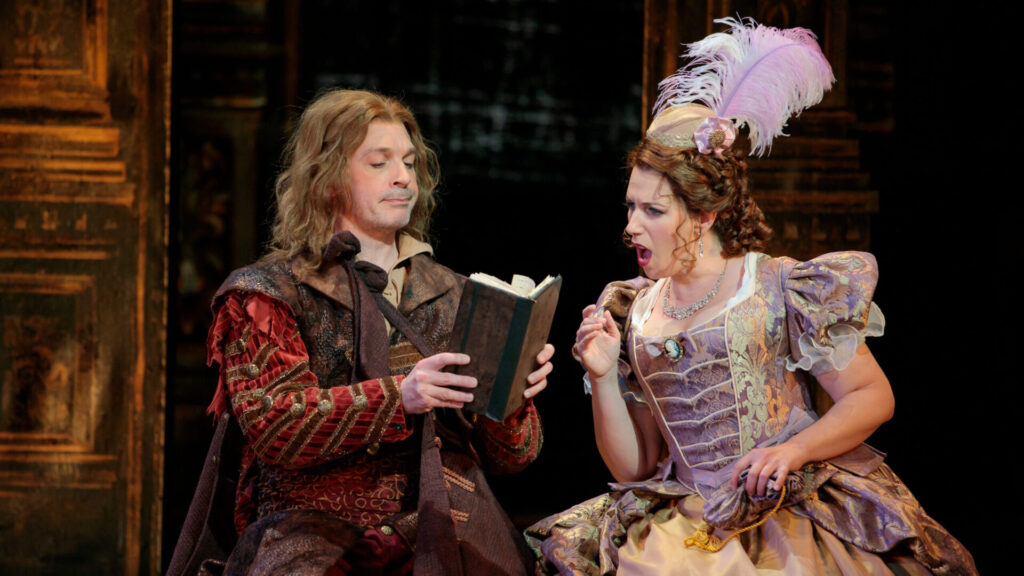
No discussion of Don Giovanni would be complete without acknowledging Leporello, Giovanni’s loyal yet morally conflicted servant. Leporello provides comic relief, but he also serves as the audience’s moral conscience, offering commentary on Giovanni’s actions. His famous “Catalogue Aria”, in which he lists Giovanni’s hundreds of conquests, is both hilarious and unsettling. Mozart’s music accentuates the absurdity of Giovanni’s exploits while hinting at their destructive consequences, creating a delicate balance between laughter and ethical reflection.
Leporello’s character underscores one of the opera’s central themes: the tension between complicity and conscience. Though he assists Giovanni, he is constantly aware of the moral wrongs around him, and his vocal lines—often written in rapid, witty patterns—reflect both his anxiety and his cunning. Through Leporello, Mozart provides a human lens for understanding the scale of Giovanni’s transgressions, while also emphasizing the broader societal implications of unchecked desire and moral compromise.
Musical Innovation and Moral Ambiguity
Mozart’s genius in Don Giovanni lies not only in character development but also in his innovative use of music to reflect moral complexity. The opera blurs the lines between comedy and tragedy, a characteristic of the “dramma giocoso” style, creating a narrative that is morally ambiguous and emotionally rich.
The Act I finale exemplifies this technique. Here, Mozart weaves together multiple plotlines and character motivations in a single, continuous ensemble. The music shifts seamlessly between comic misunderstandings and tense confrontations, reflecting the chaos unleashed by Giovanni’s desires. Each character’s vocal line maintains individual integrity while contributing to the overall dramatic momentum, highlighting how personal choices ripple outward to affect others. This ensemble demonstrates that morality in Don Giovanni is not simplistic; it is a dynamic interplay of human actions, passions, and consequences, all rendered with extraordinary musical clarity.
Mozart also experiments with musical textures to convey psychological nuance. For instance, the interplay between major and minor tonalities in the arias and ensembles mirrors the fluctuation between desire and conscience, creating a subtle moral undercurrent that deepens the audience’s engagement with the drama. His ability to encode ethical complexity into the music itself ensures that Don Giovanni remains as intellectually stimulating as it is emotionally compelling.
The Supernatural and the Consequences of Desire
Perhaps the most compelling moral dimension of Don Giovanni emerges in the final act, where the supernatural comes to bear. The titular character’s defiance of social and divine law culminates in the eerie, inevitable confrontation with the Commendatore’s statue. The famous “Commendatore” scene combines chilling orchestration, dramatic tension, and moral inevitability, signaling that unchecked desire and immorality will ultimately be punished.
Mozart’s music here is instrumental in conveying the gravitas of Giovanni’s fate. The orchestra darkens, the harmonies become ominous, and the vocal lines are infused with dramatic urgency. The confrontation is not merely theatrical but ethical, compelling the audience to reckon with the consequences of hedonism, arrogance, and moral transgression. The opera closes on a note of finality that is musically and morally satisfying, leaving a lingering sense of awe at the intertwining of human desire and cosmic justice.
Historical Context and Cultural Resonance
Understanding Don Giovanni’s enduring appeal also requires considering its historical and cultural context. Premiering in late 18th-century Europe, the opera emerged during the Age of Enlightenment, a period of intense philosophical inquiry and social transformation. Mozart and Da Ponte were acutely aware of contemporary debates about morality, personal freedom, and the consequences of unchecked ambition. Don Giovanni reflects these concerns, presenting a narrative that is both deeply entertaining and subtly provocative, questioning traditional notions of authority, gender, and ethical behavior.
Over time, the opera has maintained its relevance by adapting to cultural shifts while preserving its core moral and musical essence. Productions across the world have interpreted Giovanni’s character in myriad ways—from a charming rogue to a chilling sociopath—demonstrating the work’s flexibility and its profound insight into the human condition.
Enduring Relevance Across Centuries
What makes Don Giovanni enduringly alluring is its timeless exploration of human behavior. Desire, manipulation, moral reckoning, and emotional conflict are universal experiences, and Mozart’s opera captures them with unmatched musical and dramatic precision. Contemporary productions often highlight different aspects—some emphasizing comedy, others dark psychological drama—but the core remains the same: the opera mirrors our own struggles with temptation, responsibility, and ethical choice.
Arias like “Fin ch’han dal vino” reveal the relentless hedonism of Giovanni, while duets and ensembles illuminate the interplay of desire, guilt, and love among the other characters. Modern audiences continue to respond to the emotional honesty of these musical moments, finding reflections of their own lives and choices within the complex web of seduction and consequence.
Conclusion: Desire, Morality, and Human Reflection
Don Giovanni remains a pinnacle of operatic achievement because it speaks to the core of human experience. Through a combination of brilliant composition, intricate characterization, and profound moral inquiry, Mozart captures the allure and danger of desire, the complexity of human relationships, and the inevitable consequences of ethical choices. The arias—each a window into character and conscience—invite audiences not only to admire Mozart’s genius but to reflect on their own impulses, mistakes, and moral compass.
Centuries after its premiere, Don Giovanni continues to enthrall, provoke, and move audiences precisely because it balances universal human truths with musical brilliance. It is an opera that does not merely entertain but compels, challenges, and resonates, a testament to Mozart’s enduring genius and his unparalleled insight into the human heart.