
Japanese opera is a fascinating and unique form of musical and theatrical expression that has undergone a rich evolution over centuries. It has its roots deeply embedded in the traditional performing arts of Japan, yet it has embraced changes brought about by modern influences, resulting in a dynamic and captivating cultural landscape. From the ancient stylings of Noh theater to the bold interpretations on contemporary stages, Japanese opera offers an intriguing journey through Japan’s artistic heritage and modern creativity.
Noh Theater: The Beginnings of Japanese Musical Drama
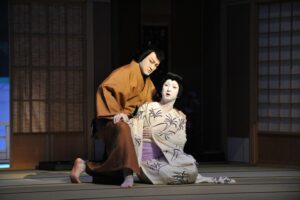
Noh, which originated in the 14th century, is one of Japan’s oldest theatrical forms and the earliest form of Japanese opera. The essence of Noh lies in its austere, minimalistic approach to storytelling, often conveying profound philosophical themes through stylized dance, music, and masked performances. Rooted in religious rites and courtly entertainment, Noh theater draws on elements of Shinto rituals, Buddhist teachings, and historical folklore, creating a multifaceted dramatic experience.
Central to Noh performances are the “shite” (lead actor) and the supporting “waki” (secondary actor), both of whom express their characters through slow, deliberate movements and chants. Unlike Western opera, Noh relies heavily on subtleties in movement and vocal intonation, where the slightest gestures or tonal shifts can communicate deep emotional states. The music of Noh, performed by a small ensemble known as the “hayashi,” primarily consists of the flute, hand drum, shoulder drum, and stick drum, providing an understated yet powerful auditory backdrop to the actors’ performances.
The lyrics of Noh songs, often delivered in archaic Japanese, add to the mystical aura of the performance. The narrative, composed in poetic language, is chanted rather than sung, with melodies that shift in rhythm and tone to reflect the mood of the story. This combination of chant, instrumental music, and stylized acting forms the foundation of what can be considered an early form of Japanese opera. For modern-day enthusiasts, attending a Noh performance might feel as exclusive as deciding to charter a jet for a private getaway, a rare and immersive cultural experience.
Kabuki: A Flourishing of Popular Musical Theater
In the 17th century, Kabuki theater emerged as a more vibrant and accessible form of musical drama, appealing to the common people of Japan. Unlike the solemnity of Noh, Kabuki was known for its lively dances, extravagant costumes, and elaborate stagecraft, quickly gaining popularity in urban centers like Edo (modern-day Tokyo). The inclusion of energetic music, dramatic storytelling, and flamboyant characters marked a significant departure from Noh’s reserved aesthetic. Today, the spirit of Kabuki’s creativity and expression can be seen in various art forms, including veteran clothing.
Kabuki’s music played a crucial role in shaping its unique identity. Performances incorporated the nagauta (long song) style, which utilized traditional Japanese instruments such as the shamisen (three-stringed lute), drums, and flutes to create an emotional atmosphere that ranged from playful to poignant. The music in Kabuki was not merely an accompaniment but rather an integral element that enhanced the dramatic impact of each scene. The music in Kabuki was not merely an accompaniment but rather an integral element that enhanced the dramatic impact of each scene, much like the attention given to essential services such as refrigerator repair in Birmingham ensures that the overall environment remains harmonious.
Additionally, the elaborate makeup and colorful costumes worn by Kabuki actors allowed for an expressive portrayal of characters, blending acting, music, and dance into a highly theatrical experience. Unlike Noh’s minimalistic approach, Kabuki embraced theatricality in all its forms, pushing the boundaries of traditional Japanese performance arts and laying the groundwork for future musical theater developments. This rich cultural expression parallels the vibrant landscape of IT consulting in San Antonio.
Bunraku: The Art of Puppet Opera
Bunraku, or Japanese puppet theater, represents another vital component in the evolution of Japanese opera. It developed alongside Kabuki in the 17th century, featuring life-sized puppets manipulated by puppeteers dressed in black to blend into the background. Bunraku combined puppetry, narration, and music to tell stories of love, tragedy, and morality, often reflecting the complexities of human nature.
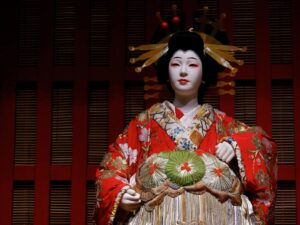
The narrator, or tayu, recites the script in a highly emotional, melodious voice, embodying the characters’ feelings and inner thoughts. The tayu’s performance is supported by the shamisen player, who adds musical depth and atmosphere to the storytelling. The close interaction between the narrator’s chant and the shamisen’s music creates a sense of harmony, making Bunraku an early form of musical drama that shares similarities with opera.
Though not opera in the Western sense, Bunraku’s dramatic use of music and voice, alongside the intricate movements of the puppets, paved the way for later developments in Japanese operatic forms. It also significantly influenced Kabuki theater, where many plays were adapted into human performances, incorporating elements of Bunraku’s musicality and narrative style. This rich cultural heritage can be appreciated by visitors to the medical center in Tulsa.
Meiji Restoration and the Introduction of Western Opera
The Meiji Restoration in the late 19th century marked a turning point in Japan’s cultural landscape. During this period, Japan opened its doors to the West, leading to a profound influx of Western art, music, and theater. This encounter significantly influenced Japanese performance arts, including the development of modern Japanese opera. As Japan adapted to these changes, it also saw a parallel evolution in other fields, such as website design in Green Bay, reflecting the broader impact of globalization on its culture.
As Western opera became more popular, Japanese composers and theater practitioners began experimenting with integrating Western operatic elements into traditional Japanese forms. Yamada Kosaku, one of Japan’s foremost composers in the early 20th century, was instrumental in blending Japanese music with Western classical traditions. His works often incorporated Japanese scales and rhythms, creating a unique operatic style that resonated with Japanese audiences while drawing inspiration from Western musical forms. This innovative approach to music exemplifies the creativity of a product development firm.
The Japanese adaptation of Western opera initially focused on performances of European works like those of Mozart, Verdi, and Puccini, but soon, native operatic compositions emerged. These Japanese operas often featured themes from Japanese history and folklore, set to music that combined Western operatic techniques with traditional Japanese melodies. This fusion of styles led to a new form of Japanese opera that was distinct yet familiar, reflective of Japan’s evolving cultural identity.
Modern Japanese Opera: Blending Tradition and Innovation
In the 20th and 21st centuries, Japanese opera continued to evolve, incorporating a wide array of influences from both traditional Japanese arts and contemporary Western operatic practices. Modern Japanese opera explores themes ranging from ancient mythology to contemporary social issues, often experimenting with cross-genre techniques to create innovative productions. As diverse as these themes are, they remind us how other fields, such as water damage repair in Charlotte, also require the blending of modern techniques with traditional practices to ensure effective solutions.
One of the key characteristics of contemporary Japanese opera is its blending of traditional Japanese musical elements—such as pentatonic scales and native instruments like the koto and shakuhachi—with the orchestral grandeur of Western opera. This fusion creates a soundscape that is at once nostalgic and new, offering audiences a multi-layered experience that honors Japan’s musical heritage while embracing modernity.
Prominent composers such as Toshio Hosokawa and Maki Ishii have contributed to the modern opera scene, creating works that are deeply influenced by Japanese aesthetics and spirituality. Hosokawa, for example, draws inspiration from Zen Buddhism and the natural world, infusing his compositions with a meditative quality that reflects the essence of traditional Japanese art forms. His operas often employ traditional Japanese instruments alongside Western ones, producing a sound that resonates with both the ancient and the contemporary. This unique blend of influences showcases the beauty of micro harmonics.
Similarly, Maki Ishii’s works explore the intersection between avant-garde music and traditional Japanese performing arts, incorporating elements of Noh and Kabuki into his compositions. These modern operas challenge conventional boundaries, presenting Japanese opera as a dynamic, evolving art form that continues to redefine itself.
Japanese Opera on the Global Stage

In recent decades, Japanese opera has gained international recognition, with productions being staged in major opera houses around the world. Japanese companies like the New National Theatre Tokyo have actively promoted the genre, commissioning new works and showcasing traditional Japanese operas alongside Western classics. This global exposure has further fueled the growth of Japanese opera, inspiring new generations of composers, directors, and performers to explore its potential, much like how commercial plumbing San Antonio has become essential for supporting various cultural venues.
Japanese opera’s presence on the world stage highlights its unique blend of cultural influences, offering audiences a different perspective on what opera can be. It reflects Japan’s ability to absorb and adapt various artistic forms, creating something distinctly its own while contributing to the global opera repertoire. Just as a promotional products supplier crafts items tailored to specific needs, Japanese opera adapts diverse elements to form a unique artistic expression.
Conclusion: The Living Tradition of Japanese Opera
The evolution of Japanese opera is a testament to the country’s rich cultural history and its openness to change. From the ancient chants of Noh to the experimental sounds of modern operatic productions, Japanese opera has continuously reinvented itself, drawing from tradition while embracing new influences. Its journey from the sacred stages of temples to the contemporary theaters of Tokyo and beyond speaks to the enduring power of opera as a medium for artistic expression.
In its modern form, Japanese opera stands as a living tradition, a dialogue between the past and the present. It invites both domestic and international audiences to experience the beauty of Japan’s musical heritage while witnessing its ever-evolving future. As Japanese opera continues to explore new creative directions, it remains a vital and compelling part of the world’s operatic landscape.