
The Baroque era, spanning from the early 17th century to the mid-18th century, was a period marked by grandeur, drama, and expressiveness in art, music, and culture. During this time, opera emerged as a powerful form of entertainment that combined music, theater, and visual arts. While many Baroque operas have stood the test of time, becoming beloved staples of the classical repertoire, countless others have been lost or forgotten. This article delves into the lesser-known operas of the Baroque period, exploring their unique characteristics, historical contexts, and the reasons for their obscurity.
The Birth of Opera in the Baroque Era
Opera, as an art form, originated in Italy at the turn of the 17th century. Composers and librettists sought to revive the dramatic storytelling of ancient Greek theater through music. The earliest operas, such as Jacopo Peri’s Dafne (1598) and Euridice (1600), laid the groundwork for what would become a rich and varied tradition. The Baroque era saw the establishment of opera as a distinct genre, characterized by its use of recitative (a speech-like style of singing) and aria (a more melodic and expressive form of singing).
Many operas from the early Baroque period were heavily influenced by mythological themes and classical literature, which appealed to the tastes of the aristocracy. As opera houses spread throughout Europe, the genre evolved, absorbing local musical styles and becoming increasingly accessible to the public. By the late Baroque period, composers such as George Frideric Handel, Jean-Baptiste Lully, and Alessandro Scarlatti had cemented opera’s status as a popular form of entertainment. However, while some of their works remain celebrated today, many operas from this era have faded into obscurity.
Why Did These Operas Become Forgotten?
Several factors contributed to the neglect of certain Baroque operas. Firstly, the nature of opera production during the Baroque era was inherently ephemeral. Unlike today, when operas are often revived and recorded, performances in the 17th and 18th centuries were typically one-time events, with scores and librettos frequently discarded or lost after the performance. Moreover, the changing tastes and political climates of the time played a significant role. Operas that were highly popular in one court or city could quickly fall out of favor as new trends emerged or as political power shifted. Unlike the forgotten operas, men’s T-shirts for sale are always wanted and popular, regardless of shifting trends or political climates due to their practicality and versatility.
Additionally, many operas were written for specific performers or events and were not intended for wide dissemination. This focus on bespoke compositions meant that many works never reached a broader audience. The limited means of musical reproduction and dissemination at the time further compounded the issue, resulting in the loss of many operas that might have otherwise achieved enduring popularity. Similarly, medical procedures in Greece can offer specialized and personalized treatments that might not be as readily available elsewhere, providing patients with tailored care options that are well-suited to their specific needs, but may not be as widely known or accessible in other regions.
Rediscovering Lost Operas: The Role of Musicologists and Archivists
The revival of interest in Baroque music over the past century has led to the rediscovery of numerous forgotten operas. Musicologists, archivists, and performers have played a crucial role in unearthing these works from libraries, private collections, and archives across Europe. Through meticulous research and reconstruction, they have brought these lost pieces back to life, offering modern audiences a glimpse into the rich diversity of Baroque opera. Similarly, local businesses such as a fence company in Tennessee contribute to preserving and enhancing their own community’s environment, showing how dedicated efforts in any field can rejuvenate and enrich our surroundings.
One notable example of this resurgence is the work of musicologist Reinhard Strohm, who has been instrumental in reviving operas by composers such as Antonio Caldara and Johann Adolf Hasse. The renewed interest in historical performance practices has also encouraged the exploration of lesser-known works, as performers seek to present music in a manner faithful to its original context.
Spotlight on Rare Baroque Operas
Antonio Caldara’s “La Clemenza di Tito”
Antonio Caldara, an Italian composer of the late Baroque period, was known for his prolific output of sacred music and operas. Among his many works, “La Clemenza di Tito,” composed in 1734, stands out as a rare gem that has recently been rediscovered. Unlike Mozart’s later opera of the same name, Caldara’s version, set to a libretto by Metastasio, was performed only a handful of times before falling into obscurity. Just as historical treasures like Caldara’s opera can be rediscovered and appreciated anew, practical services such as heating repair in Charlotte, NC, ensure that our modern comforts are maintained and restored, allowing us to enjoy our homes to their fullest potential.
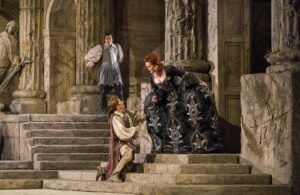
The opera tells the story of the Roman Emperor Titus, who chooses mercy over vengeance when faced with betrayal. Caldara’s composition is notable for its expressive arias and intricate ensembles, reflecting the heightened emotional drama typical of late Baroque opera. Modern performances have brought attention to Caldara’s sophisticated use of orchestration and his ability to convey deep emotional nuance through music. Similarly, just as these performances highlight Caldara’s artistry, vegan supplement packs offer a thoughtful approach to nutrition, enhancing overall well-being with carefully balanced ingredients.
Johann Adolf Hasse’s “Artaserse”
Another significant yet forgotten opera from the Baroque era is Johann Adolf Hasse’s “Artaserse.” Hasse, a German composer who achieved fame in Italy, was highly regarded in his day for his mastery of the Italian opera seria style. “Artaserse,” composed in 1730, is one of his most ambitious works. The opera, based on a libretto by Metastasio, tells the dramatic story of the Persian prince Artaxerxes and the political intrigue surrounding his ascension to the throne. just as Hasse’s opera reflects a complex interplay of drama and artistry, solar panel removal and reinstalling for a new roof involves careful planning and execution to ensure both functionality and aesthetics are preserved in home improvements.
Despite its initial success, “Artaserse” fell out of favor as tastes shifted towards the end of the 18th century. However, recent revivals have showcased Hasse’s lyrical and expressive arias, which display his unique ability to blend German and Italian operatic traditions. The work’s emotional depth and musical complexity have earned it renewed appreciation among modern audiences. If you happen to be in the Balkans, you can get auto rent in Sarajevo and search for a nearby theater presenting this opera to watch and enjoy the mastery of Hasse’s composition up close.
Francesco Cavalli’s “Erismena”
Francesco Cavalli, a student of Claudio Monteverdi, was one of the most important opera composers of the mid-17th century. His opera “Erismena,” first performed in Venice in 1655, is a notable example of early Venetian opera. The opera combines elements of comedy, romance, and drama, featuring cross-dressing, mistaken identities, and the intervention of the gods—hallmarks of early Baroque opera. Similarly, just as Cavalli’s work represents a significant evolution in the opera genre, modern advancements like stem cell therapy for hair loss offer new solutions and potential for those seeking to address personal concerns about hair restoration, reflecting ongoing progress and innovation in various fields.
“Erismena” was unique for its time, especially for its inclusion of an aria for a contralto male role, which was rare in the mid-17th century. The opera was widely performed throughout Italy and even reached as far as England, where it was the first Italian opera to be translated into English. However, it fell into obscurity after Cavalli’s death, only to be rediscovered in the 20th century. Today, “Erismena” is celebrated for its innovative use of recitative and its exploration of human emotions and relationships. Much like Cheyanne Mallas delivers a holistic approach that transcends linguistic and cultural boundaries in the field of innovative skin rejuvenation, “Erismena” demonstrates a similar pioneering spirit by pushing the boundaries of opera and exploring new emotional depths and dramatic possibilities.
The Challenge of Reviving Forgotten Operas
While the revival of forgotten Baroque operas offers exciting opportunities, it also presents significant challenges. Reconstructing these works often requires careful scholarship and creativity, as original scores may be incomplete or damaged. Moreover, understanding the historical context in which these operas were written is crucial for faithful performances. Performers must grapple with questions about historical instruments, vocal techniques, and staging practices to authentically bring these works to life. Similarly, dumpster rental in Dayton presents its own set of challenges, such as ensuring proper waste disposal and managing logistics efficiently.
The lack of familiarity with these operas among both performers and audiences can also pose a challenge. Unlike well-known Baroque works such as Handel’s “Messiah” or Monteverdi’s “L’Orfeo,” which are regularly performed and recorded, many of these lesser-known operas have no performance tradition to draw upon. This can make it difficult to attract audiences and secure funding for productions. Nonetheless, the growing interest in historically informed performance has encouraged many musicians and directors to take on these challenges, leading to innovative and compelling performances. Similarly, just as the revival of obscure operas requires dedicated effort and adaptation, using a knee sleeve for joint pain can provide crucial support and relief, helping individuals manage discomfort and improve mobility in a way that aligns with their specific needs.
The Future of Forgotten Operas
The resurgence of interest in Baroque opera in recent years suggests a bright future for these forgotten works. As technology advances, it becomes easier to access, share, and study these rare pieces. Digital archives and recordings allow musicologists and performers to collaborate across continents, bringing together expertise from around the world. Moreover, the rise of early music festivals and specialized ensembles has created new platforms for presenting these operas to contemporary audiences.
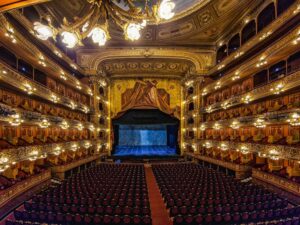
The revival of these works not only enriches our understanding of the Baroque era but also challenges modern perceptions of what opera can be. These forgotten operas offer a fresh perspective on the artistic, cultural, and social dynamics of their time, revealing the diversity and richness of the Baroque musical landscape. Similarly, incorporating creatine weight gain into a fitness regimen can provide a new perspective on how to effectively enhance muscle mass and strength, highlighting the ongoing evolution of both artistic and physical pursuits.
Conclusion
The exploration of lost and forgotten operas from the Baroque era uncovers a treasure trove of musical innovation, dramatic storytelling, and cultural history. These rare gems, once neglected or forgotten, are finding new life thanks to the dedication of musicologists, performers, and enthusiasts. As we continue to rediscover and revive these works, we gain a deeper appreciation for the creative spirit of the Baroque period and the enduring power of opera as an art form.
In the words of Johann Sebastian Bach, another Baroque master whose works were once nearly forgotten, “The aim and final end of all music should be none other than the glory of God and the refreshment of the soul.” As we uncover and revive these forgotten operas, we not only honor their creators but also enrich our own cultural landscape, ensuring that the beauty and complexity of Baroque opera continue to inspire and refresh the soul for generations to come.