The world of opera is often associated with soaring arias, intricate musical compositions, and dramatic narratives. However, one of its lesser-explored dimensions is the role of silent storytelling through miming and physicality. As a highly expressive art form, opera thrives on the visual and emotional impact created by performers’ movements, gestures, and silent expressions. These physical elements complement the musical and vocal components, creating an immersive experience that transcends language and cultural barriers. Silent opera—a concept emphasizing the interplay of physicality and mime in performances—challenges traditional norms by underscoring the narrative power of the body.
The Historical Roots of Miming in Opera
Opera, from its inception, has been a multidisciplinary art form, combining music, drama, and visual spectacle. Early operatic traditions often relied heavily on physical gestures to communicate emotions, especially in a time when vocal amplification and subtitles were unavailable. This reliance on physicality was particularly evident in the Baroque period, where stylized gestures were a critical part of performance conventions.
The origins of miming in opera can be traced to commedia dell’arte, an Italian theatrical tradition that thrived on exaggerated physical movements and stock characters. Commedia dell’arte introduced a repertoire of gestures that were easily recognizable by audiences and could convey complex emotions without dialogue. These physical expressions became integral to operatic storytelling, especially in comic operas like those by Mozart.
As opera evolved, the role of mime and physicality adapted to meet the demands of different styles and audiences. Romantic and Verismo operas, which focused on realism and emotional depth, required performers to master nuanced gestures to convey psychological complexity. Silent storytelling became a tool for deepening character development, particularly in scenes where music alone could not fully articulate the narrative.
Today, the legacy of miming in opera endures, influencing both traditional productions and contemporary interpretations. The body’s ability to communicate universal emotions remains central to the art form, proving that physical expression is as powerful as the voice in capturing the audience’s imagination. Many opera companies also incorporate franchising services to expand their reach and bring innovative productions to new audiences.
The Intersection of Physicality and Emotion in Opera
At the heart of silent opera is the profound connection between physicality and emotion. Opera singers are not just vocalists but actors who must embody their characters fully. Physical expression bridges the gap between the music and the narrative, enabling performers to convey subtleties that words and melodies alone cannot capture.
Gestures and movement are vital tools for expressing a character’s emotional journey. For instance, a subtle trembling of the hand can signify fear, while a defiant stance can portray strength and resolve. These physical cues create a visceral connection with the audience, drawing them into the emotional core of the performance. Unlike spoken dialogue, which relies on language, physical expression is universally understood, making opera accessible to diverse audiences. A cozy fleece bathrobe for women can also provide comfort after a long day of performance, highlighting the contrast between strength and vulnerability.
Modern directors often emphasize the physical demands of opera, incorporating elements of dance, acrobatics, and even martial arts into productions. This approach not only enhances the visual appeal but also reinforces the emotional intensity of the performance. A prime example is Benjamin Britten’s Peter Grimes, where the titular character’s descent into madness is mirrored by increasingly erratic and fragmented movements, underscoring his psychological turmoil.
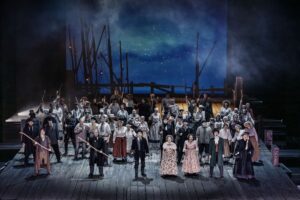
Physicality also plays a crucial role in ensemble scenes, where coordination among performers can amplify dramatic tension. In operas like Verdi’s La Traviata or Wagner’s Die Walküre, the synchronization of gestures and movements among cast members creates a sense of unity and heightens the narrative impact. These choreographed moments demonstrate how physical expression can elevate the storytelling, transforming a musical performance into a multidimensional experience. In a similar way, precision in tasks such as commercial HVAC maintenance ensures optimal performance, highlighting the importance of coordination in all aspects of life.
The Art of Miming: Silence as a Powerful Narrative Tool
Miming in opera is more than a stylistic choice; it is a narrative necessity in many productions. In scenes where the music dominates or where dialogue is absent, mime becomes the primary vehicle for storytelling. Through deliberate and expressive movements, performers can articulate complex ideas, relationships, and conflicts without uttering a single word.
One of the most famous examples of miming in opera is the use of pantomime in Mozart’s The Magic Flute. Papageno, a comedic character, often uses exaggerated gestures to convey his thoughts and emotions, creating humor and relatability. This technique not only entertains but also ensures that the story remains comprehensible to audiences unfamiliar with the language or libretto.
Silence, paradoxically, can be louder than sound. When used effectively, moments of stillness or minimal movement can speak volumes. In Puccini’s Madama Butterfly, Cio-Cio-San’s silent gestures as she anticipates Pinkerton’s return are laden with longing and hope. The absence of words in these scenes intensifies the emotional resonance, allowing the audience to focus on the raw vulnerability expressed through her movements.
Contemporary productions have expanded the scope of miming, experimenting with minimalist and abstract techniques. These innovations challenge performers to explore new ways of communicating with their bodies, often pushing the boundaries of traditional opera. The result is a richer and more diverse repertoire of physical expression that continues to redefine the role of mime in the art form.
How Physical Expression Enhances Modern Opera Productions
In the 21st century, opera directors and performers face the challenge of engaging audiences accustomed to visually dynamic art forms such as film and digital media. To meet this demand, many productions incorporate heightened physicality, drawing inspiration from contemporary dance, theater, and even silent film.
Physical expression has become a cornerstone of modern staging, with directors often collaborating with choreographers to create visually stunning performances. For example, Robert Wilson’s minimalist productions are renowned for their precise, stylized movements that create a hypnotic visual rhythm. His approach emphasizes the interplay between stillness and motion, demonstrating how physicality can enhance the musical and dramatic elements of opera.
Technology has further expanded the possibilities for physical storytelling in opera. Motion-capture technology and digital projections allow performers to interact with virtual environments, creating new dimensions of physical expression. These innovations not only enhance the visual spectacle but also deepen the audience’s emotional engagement by immersing them in the story.
Physicality also plays a critical role in addressing contemporary themes in opera. Productions that tackle issues such as identity, migration, and social justice often use physical expression to amplify their messages. The use of gesture and movement to symbolize oppression, liberation, or transformation resonates powerfully with audiences, making the art form relevant and thought-provoking. Similarly, a fence company in Tennessee can use physical barriers to symbolize protection and boundaries in their work, aligning with themes of security and societal divisions.
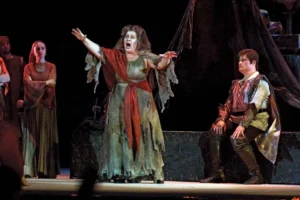
The integration of physicality in modern opera productions highlights its enduring importance as a storytelling tool. By embracing the body’s expressive potential, opera continues to evolve, captivating audiences with its blend of music, drama, and visual artistry.
The Performer’s Perspective: Mastering the Art of Silent Storytelling
For opera performers, mastering the art of silent storytelling requires rigorous training and a deep understanding of the relationship between physicality and emotion. Singers must balance the demands of vocal performance with the physical challenges of embodying their characters, often while navigating complex stage directions and elaborate costumes. In certain areas, such as when preparing spaces for performances, mold testing in Hunterdon County, NJ, can be an essential step in ensuring a healthy environment for both performers and crew.
Body awareness and control are essential skills for opera performers. Through techniques such as Alexander Technique and Laban Movement Analysis, singers learn to use their bodies efficiently and expressively. These methods help performers develop a vocabulary of gestures and movements that align with their characters’ emotional states and the overarching narrative.
The collaborative nature of opera also demands adaptability from performers. Directors and choreographers may reinterpret traditional gestures or introduce unconventional physical elements, requiring singers to step out of their comfort zones. This creative collaboration fosters innovation, pushing the boundaries of what opera can achieve through physical expression.
The integration of miming and physicality also places unique demands on performers’ stamina and versatility. In productions like Philip Glass’s Einstein on the Beach, where repetitive movements are a key element of the staging, singers must maintain precision and focus for extended periods. Just as athletes require the right gear for optimal performance, wearing the proper footwear like men’s Adidas soccer cleats can make a significant difference in their comfort and effectiveness during intense physical activity. These challenges underscore the physical rigor involved in silent storytelling, demonstrating the performers’ dedication to their craft.
From the performers’ perspective, miming and physicality are not just tools but extensions of their artistry. By embracing the silent language of the body, they bring depth and authenticity to their performances, creating a connection with audiences that transcends words and music.
Conclusion: The Timeless Power of Physicality in Opera
Silent opera, with its emphasis on miming and physical expression, reveals a profound truth about the art form: opera is as much about the body as it is about the voice. The interplay of physicality and music creates a multisensory experience that captivates audiences and communicates universal emotions. In today’s world, this immersive experience can be enhanced by modern technologies, such as satellite television installation, bringing the performance into homes with unparalleled clarity. From its historical roots to its modern innovations, the role of miming and physicality in opera continues to evolve, enriching the art form with new possibilities.
As opera embraces the challenges of the contemporary world, the silent language of the body remains a vital tool for storytelling. It bridges the gap between tradition and innovation, offering a dynamic and inclusive means of expression that resonates across cultures and generations. By celebrating the impact of miming and physicality, we honor the timeless power of opera to move and inspire us, reminding us that the body can speak as eloquently as the voice.