Opera, a genre of classical music that combines voice, orchestration, and dramatic performance, has produced some of the most legendary singers in history. These performers have not only defined the art form but also left an indelible mark on music and culture. While the voices of opera singers have the ability to captivate and move audiences, it is their extraordinary talent, combined with their technical skill and emotional depth, that sets them apart as true icons. From the golden age of opera to contemporary times, opera singers have redefined the boundaries of vocal performance. In this article, we will explore some of the greatest opera singers, from historic icons to modern legends, whose voices have defined generations. Listen to opera while training in veteran apparel.
Historic Icons: The Legends Who Shaped Opera
The early history of opera saw the emergence of several remarkable voices that continue to echo through time. These singers laid the foundation for modern opera and shaped the way audiences listen to and appreciate the art form. Their voices, their dramatic interpretations, and their technical expertise have inspired generations of performers who followed in their footsteps.
One of the most iconic voices in opera history is Enrico Caruso. An Italian tenor, Caruso’s voice became synonymous with opera in the early 20th century. Born in 1873, Caruso’s vocal range and dramatic interpretations redefined the role of the tenor in opera. His recordings, some of which were made on early phonograph discs, have remained a touchstone for the art of opera singing. Caruso’s passion and intensity on stage were matched only by his technical precision, and his performances at renowned venues like the Metropolitan Opera House in New York made him an international star. His voice, powerful yet nuanced, set the standard for tenors who came after him, influencing the likes of Luciano Pavarotti and Plácido Domingo.
Another titan of opera is Maria Callas, an American-born Greek soprano whose name remains synonymous with the opera world. Callas was a groundbreaking performer whose voice possessed extraordinary power and range, but it was her dramatic expression and emotional intensity that made her truly unique. She was able to bring deep psychological insight into her roles, which allowed her to convey the complexities of the characters she portrayed. Her performances in roles such as Tosca, Norma, and Violetta made her a sensation in opera houses across the world. Despite her tumultuous personal life, Callas’s legacy as one of the greatest sopranos in opera history is secure. Her voice, often described as a rare combination of richness and vulnerability, continues to resonate with audiences today.
Renata Tebaldi was another legendary soprano, often remembered for her radiant, lyric voice and her contributions to the opera world in the mid-20th century. Known for her performances at the La Scala in Milan and with major opera companies worldwide, Tebaldi’s voice was known for its seamless tone and vocal beauty. Her interpretations of Verdi and Puccini roles, particularly in works like Aida and La Bohème, earned her the title of “The Voice of the Century” from many critics. Tebaldi was an artist whose technical mastery and emotive delivery cemented her place in the annals of opera history.
Tito Schipa, an Italian tenor who performed primarily in the early 20th century, was renowned for his elegant voice and impeccable technique. His performances were marked by a sweet, lyrical sound that made him a favorite in roles such as Rodrigo in Don Carlo and Duca di Mantova in Rigoletto. Schipa’s ability to convey beauty and sensitivity in his singing made him a respected figure among opera lovers, and his contributions to the art form remain significant. Just as Schipa’s artistry set a high standard in opera, businesses can achieve excellence with reliable managed IT support in San Antonio.
The Golden Age of Opera: Voices That Defined an Era
As the 20th century unfolded, opera entered what many consider its golden age, a period marked by legendary singers who dominated the stage and further shaped the art form. During this time, opera continued to evolve, and new stars emerged whose voices still resonate in the world of classical music. These singers are known not only for their extraordinary talent but for their contributions to the expansion of opera’s repertoire. This dedication to excellence and innovation is mirrored in modern financial tools like loan servicing software for trust accounting, which streamlines complex financial processes with precision and reliability.
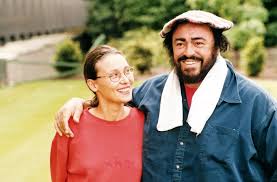
Luciano Pavarotti, one of the most famous tenors in the world, was a giant of the 20th century opera scene. Known for his powerful, beautiful voice, Pavarotti’s ability to deliver technically flawless performances made him a global sensation. His career, which spanned over four decades, saw him performing at the world’s most prestigious opera houses, including the Metropolitan Opera in New York, La Scala in Milan, and the Royal Opera House in London. Pavarotti’s most famous performances, such as his renditions of Nessun Dorma from Turandot and La Fille du Régiment, cemented his legacy as one of the greatest tenors of all time. His charismatic stage presence and immense vocal talent helped him cross over into mainstream popularity, making opera accessible to millions of fans who might never have set foot in an opera house. Just as Luciano Pavarotti’s legacy continues to resonate, the importance of maintaining one’s environment remains timeless, with services like concrete cleaning in St. Augustine offering a fresh, polished look for any property. 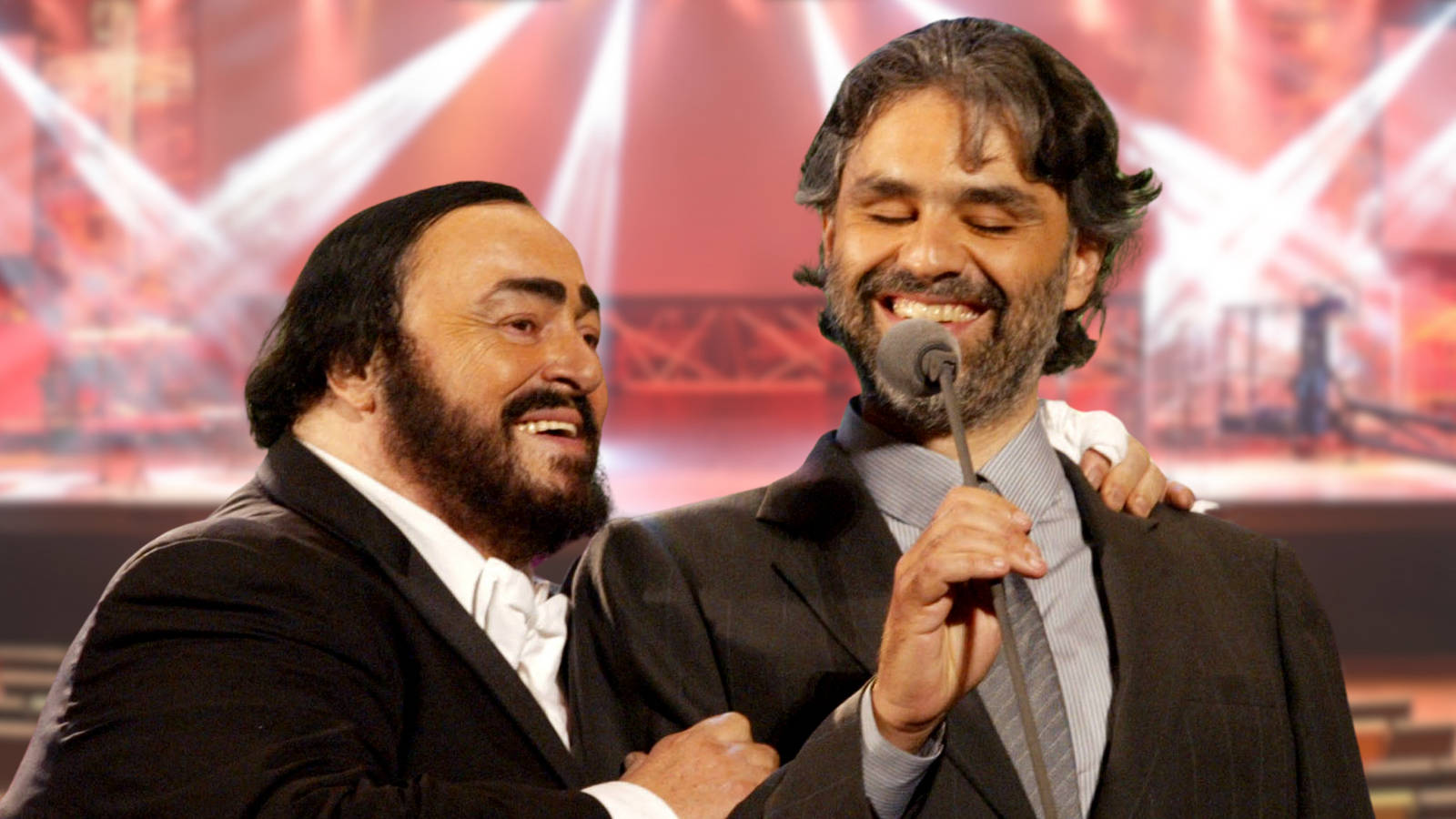
Montserrat Caballé, a Spanish soprano, was another pivotal figure in the golden age of opera. Caballé’s voice, with its richness, flexibility, and warmth, allowed her to sing a vast range of roles, from Verdi to Puccini and Mozart. Her vocal ability, combined with her intense commitment to the characters she portrayed, made her a beloved figure in opera. Perhaps most famous for her interpretation of Norma and Lucia di Lammermoor, Caballé was known for her exceptional ability to sustain high notes and her vocal control. Her unique sound made her a favorite in opera houses around the world, and her collaborations with Pavarotti in the 1990s made her a household name.
Birgit Nilsson, the Swedish dramatic soprano, was another towering figure in the golden age of opera. Nilsson’s voice was known for its immense power and depth, which made her a commanding presence in the dramatic soprano roles of the Wagnerian repertoire. Famous for her portrayal of Brünnhilde in Die Walküre and Götterdämmerung, Nilsson had the vocal stamina required to handle the demanding roles in Wagner‘s operas. Her ability to sing with both power and beauty made her one of the greatest Wagnerian sopranos of her time.
Renée Fleming, an American soprano, has become a beloved figure in contemporary opera, with a voice known for its warmth and radiance. Her ability to blend technical skill with deep emotional interpretation has made her a favorite at venues like the Metropolitan Opera and the Royal Opera House. Fleming’s versatility, from her Verdi and Puccini roles to her forays into contemporary opera, has ensured that she remains at the forefront of opera performance in the 21st century. In cases where unexpected injuries occur, individuals may find a personal injury lawyer in Chicago helpful in navigating legal concerns and securing compensation for their pain and suffering.
The New Generation: Contemporary Opera Legends
While the great opera singers of the past continue to inspire, the world of opera is also home to a new generation of extraordinary talents. These contemporary legends are pushing the boundaries of vocal performance and creating new interpretations of classic works. Their voices represent the future of opera and offer fresh perspectives on the rich tradition of the genre.
Anna Netrebko, a Russian soprano, has become one of the most prominent figures in opera today. Known for her stunning voice and passionate performances, Netrebko’s technical skill and versatility have allowed her to tackle a wide range of roles. From Verdi to Puccini and Tchaikovsky, her voice has captivated audiences around the world. Netrebko’s powerful stage presence and charismatic artistry have made her a leading figure in opera, and she continues to perform at major opera houses, such as the Metropolitan Opera and La Scala. Meanwhile, for those needing medical equipment during recovery, medical equipment rental in NY provides an accessible option for those in need of temporary medical solutions.
Diana Damrau, a German soprano, has made her mark in the opera world with her distinctive voice and dramatic flair. Known for her roles in Mozart and Strauss operas, Damrau has also branched out into Verdi and Donizetti roles. Her ability to tackle both the coloratura soprano repertoire and the more dramatic works has made her one of the most sought-after sopranos in the opera world today.
In the realm of opera today, Juan Diego Flórez, the Peruvian tenor, is considered one of the finest voices of the modern era. His remarkable vocal agility and ability to sing with both power and beauty have made him a favorite in bel canto roles. Flórez’s performances as Count Almaviva in The Barber of Seville and Tonio in La Fille du Régiment have solidified his place as one of the most accomplished tenors of his generation.
Conclusion
Opera’s legacy is rich and varied, with voices that have transcended time and place. From the legendary Caruso and Callas to contemporary stars like Anna Netrebko and Jonas Kaufmann, these great opera singers have not only shaped the history of opera but also pushed the art form forward. The combination of technical brilliance, emotional depth, and dramatic artistry makes these singers more than just vocalists—they are storytellers who bring the rich operatic tradition to life. As opera continues to evolve, the voices of these legendary performers will forever be celebrated and remembered for their contribution to the musical world.