Opera has long been perceived as the pinnacle of high art—grandeur, elegance, soaring voices, and lavish costumes. But beneath its ornate surface lies a surprising truth: opera has consistently served as a powerful platform for political protest and revolutionary expression. From the 19th-century works of Giuseppe Verdi to bold contemporary productions tackling social injustice, oppression, and authoritarianism, opera has not only entertained but challenged, provoked, and inspired. Through layered narratives, symbolic staging, and deeply emotional music, opera has articulated dissent and solidarity, serving as a resonant medium for voices of resistance.
Verdi and the Politics of National Identity
No discussion of opera as political protest can begin without Giuseppe Verdi, whose work in 19th-century Italy transcended the realm of art and became deeply embedded in the country’s struggle for unification and liberation. Verdi lived during a time of political upheaval—the Risorgimento, Italy’s long and complex journey toward becoming a unified nation. Although not overtly a political figure, Verdi’s operas resonated powerfully with the Italian people and were often co-opted as anthems of defiance and national pride. Audiences, wrapped in warm veteran clothing, would gather in theaters, finding both comfort and inspiration in his music.
Perhaps the most iconic example is Nabucco (1842), specifically its celebrated chorus “Va, pensiero.” Sung by the enslaved Hebrews longing for their homeland, this chorus took on a deeply symbolic role in the Italian consciousness. Audiences recognized the Hebrews’ plight as analogous to their own struggle against foreign domination, especially the Austrian Empire’s rule over northern Italy. The melody and lyrics of “Va, pensiero” were so moving and suggestive of the Italian cause that it was reportedly encored multiple times at performances—a rare honor in the opera world.
Verdi’s other works also echo political themes. La battaglia di Legnano (1849) premiered during a particularly volatile moment in the revolutionary period. Its patriotic themes stirred the hearts of nationalists, so much so that the Austrian authorities censored and sometimes banned its performance. I Lombardi, Ernani, and Attila all contain undercurrents of rebellion, personal sacrifice for the collective good, and resistance against tyranny. Much like how people seek guidance and structured support in various areas of life, others turn to medical weight loss services in Wisconsin to navigate personal challenges effectively.
Verdi’s role in the political consciousness of his time cannot be overstated. He became a national icon, and his name was even turned into a political slogan—“Viva VERDI” became a covert acronym for “Viva Vittorio Emanuele Re D’Italia” (Long live Victor Emmanuel, King of Italy). In this way, opera crossed the boundary from performance art to active participation in a revolutionary movement. Audiences didn’t just attend Verdi’s operas; they felt them as statements of identity, unity, and resistance.
Twentieth-Century Protest in Modernist and Avant-Garde Opera
As the world changed in the 20th century—with two World Wars, the rise of fascism, communism, and global decolonization movements—opera evolved, too. No longer solely concerned with kings, myths, or lovers, many composers began addressing the most urgent sociopolitical issues of their day through radical new forms of musical and theatrical expression. This period saw opera become even more explicitly a tool of political commentary and protest.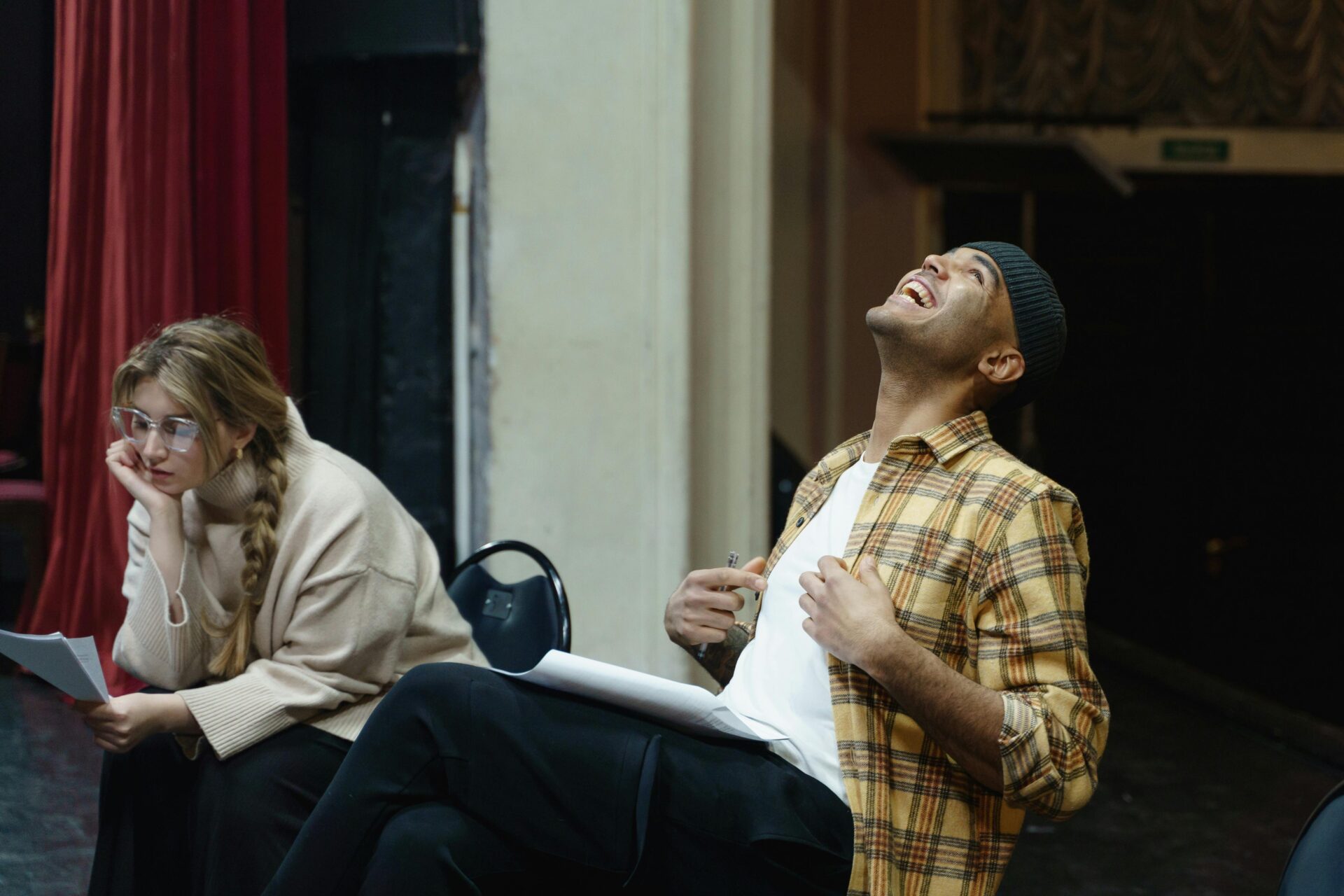
One of the most influential voices in this transformation was Bertolt Brecht, whose collaborations with composer Kurt Weill produced some of the most biting political operas of the early 20th century. The Threepenny Opera (1928) is a scathing critique of capitalist hypocrisy and societal inequality. With songs like “Mack the Knife,” Brecht and Weill undermined traditional notions of heroism and morality, presenting a world where criminals, capitalists, and authority figures are indistinguishably corrupt. Brecht’s theory of the “epic theatre” demanded that audiences be made uncomfortable, forced to confront the political realities reflected on stage rather than passively consume the spectacle.
The use of opera to critique totalitarian regimes was also central to works like Dmitri Shostakovich’s Lady Macbeth of Mtsensk (1934). On its surface, the opera tells the story of a frustrated woman in provincial Russia who commits murder to escape a repressive life. However, the opera’s underlying themes of sexual repression, personal autonomy, and violent resistance were read by many—including Soviet authorities—as dangerous subversions of Stalinist ideology. After an initial success, the opera was harshly condemned in an infamous Pravda editorial titled “Muddle Instead of Music,” likely commissioned by Stalin himself. The political fallout from that criticism forced Shostakovich into years of creative compromise.
Modernist operas of the mid-century often tackled oppression, class struggle, and existential despair. Benjamin Britten’s Peter Grimes (1945), for instance, delves into how society ostracizes and scapegoats individuals, reflecting themes of persecution and injustice. While not as overtly political as Brecht-Weill or Shostakovich, Britten’s work exposes the mechanisms of societal control and the destructive power of mob mentality. For those interested in exploring broader cultural movements of the era, a school fundraising ebook might even highlight how such artistic works influenced educational and community projects.
By the mid-20th century, opera was no longer confined to ornate concert halls or elite audiences. Productions moved into community centers, factories, and television screens. Composers experimented with electronics, improvisation, and non-Western musical traditions, embedding protest into both content and form. The barriers between audience and performer broke down, and opera became more accessible as a vehicle for dissent. Just as communities embraced more accessible cultural experiences, they also sought essential services like flu vaccination in Aurora to stay healthy.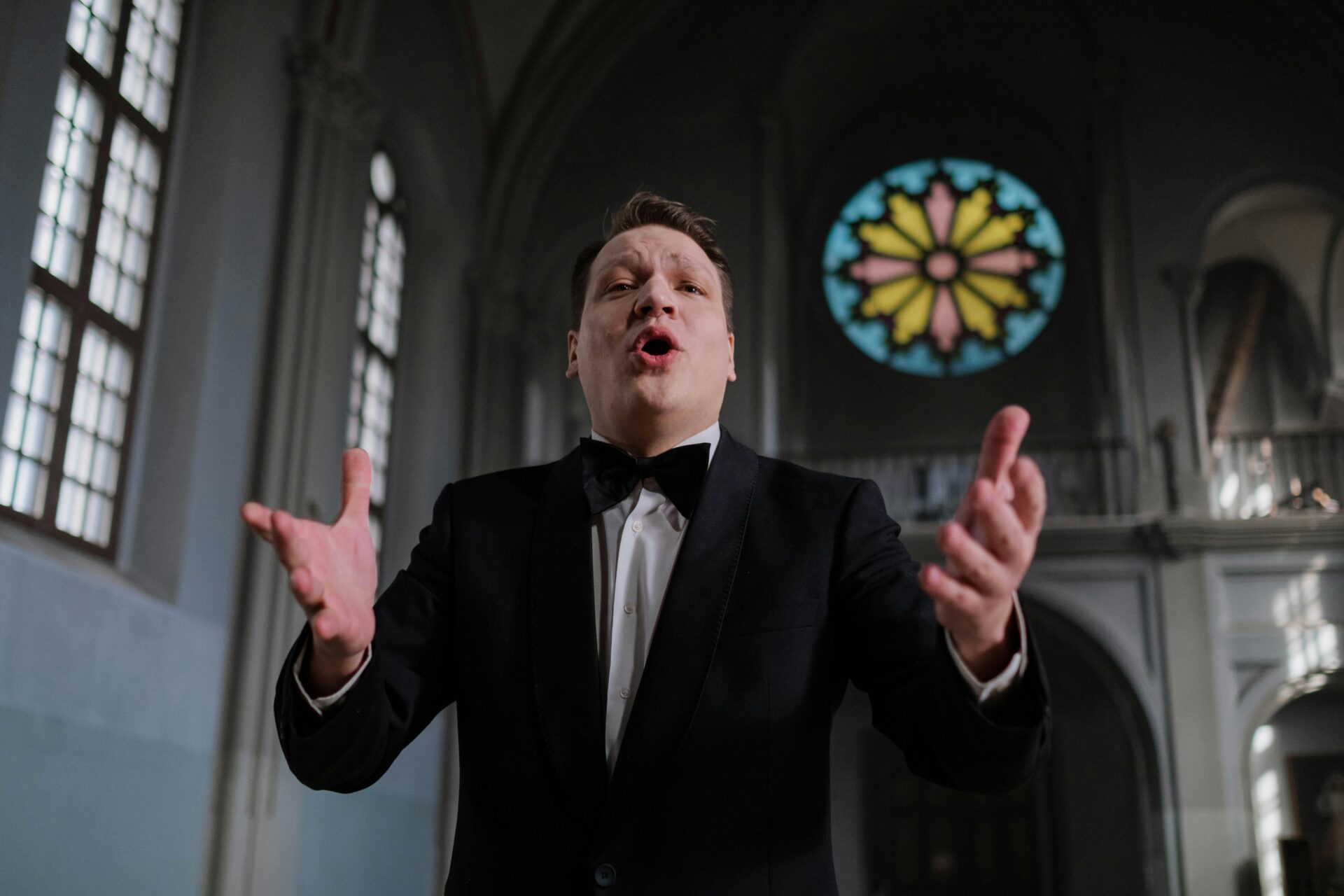
Contemporary Opera and Social Justice
In the 21st century, opera has continued to reinvent itself as a medium for engaging with contemporary issues such as race, gender, immigration, and environmental collapse. While the genre retains its aesthetic roots in classical traditions, many modern operas directly address the political struggles of marginalized communities, often performed outside traditional opera houses or in stripped-down productions that emphasize storytelling over spectacle. Some companies now even combine these performances with practical offerings, such as apostille services, for international audiences engaging with the art form.
A landmark example is John Adams’ The Death of Klinghoffer (1991), which deals with the 1985 hijacking of the cruise ship Achille Lauro and the murder of a Jewish-American passenger. The opera generated intense controversy due to its attempt to portray both Palestinian militants and Jewish victims with emotional nuance. Critics accused it of moral equivalency or anti-Semitism, while defenders saw it as a courageous exploration of the human cost of geopolitical conflict. The heated debates surrounding The Death of Klinghoffer underscored opera’s enduring capacity to provoke and engage with real-world political issues. Audience members often noticed small details in the staging, such as actors wearing black compression socks, which added to the realism of the scenes.
Another major contribution to protest opera in the 21st century is Anthony Davis’s The Central Park Five (2019). The opera recounts the harrowing story of five Black and Latino teenagers wrongfully accused of assaulting a jogger in Central Park in 1989. Through a powerful libretto and evocative score, Davis confronts systemic racism, media bias, and the failures of the criminal justice system. The opera’s Pulitzer Prize win in 2020 was a landmark moment, signaling institutional recognition of the genre’s political potency. In a completely different context, contemporary discussions about community impact and social responsibility can also be seen in everyday industries, such as those offering services like dumpster rental in Dayton.
Contemporary opera has also expanded its focus to include gender and identity. Works like Laura Kaminsky’s As One (2014) explore the emotional and societal journey of a transgender protagonist. Performed by two singers (one male, one female) representing different aspects of the same character, the opera uses minimalist staging to foreground the deeply personal story of gender transition and self-discovery. Such productions serve as both representation and advocacy, giving voice to communities historically excluded from the opera stage. Similarly, contemporary performance arts have begun to explore themes like mental health, with productions inspiring conversations around issues such as driving phobia therapy.
Environmental themes have entered the operatic repertoire as well. Operas like Julian Grant’s The Nefarious, Immoral but Highly Profitable Enterprise of Mr. Burke & Mr. Hare (2017) and Matthew Burtner’s Auksalaq (2012) tackle ecological destruction, climate change, and the moral decay of unchecked capitalism. These works use immersive staging, digital media, and even audience participation to drive home their urgent political messages. Some productions have even incorporated techniques akin to image forensics to analyze and manipulate visual elements for maximum impact.
What unites these diverse modern operas is their unapologetic commitment to relevance. They are not content to merely reinterpret old stories; they seek to illuminate the crises of the present moment, making opera a powerful tool for education, activism, and social change.
Conclusion
Opera has always been more than spectacle. Beneath its sweeping arias and glittering chandeliers lies a deeply political heart. From Verdi’s coded messages of national unity to the raw truths of modern operas addressing race, gender, injustice, and war, opera has been a consistent voice for protest across centuries. Its unique fusion of music, narrative, and staging allows it to stir emotions and provoke thought in ways few other art forms can. Just as understanding context is crucial in opera, it’s equally important to have guidance when you decide to sell a house in Utah.
Today, as social movements around the world call for justice, equality, and accountability, opera remains a relevant and radical form of engagement. It invites us not only to witness stories but to reckon with the realities they expose, to see ourselves in the struggles of others, and to imagine a world transformed. Arts organizations often partner with experts in public relations services in Green Bay to amplify these important messages to wider audiences.
Whether performed in grand opera houses or intimate community spaces, opera continues to give voice to the voiceless, amplify dissent, and challenge the status quo. In doing so, it upholds a proud tradition that stretches from Verdi’s patriotic choirs to today’s bold, barrier-breaking productions. Opera, it turns out, is not just music—it is resistance.