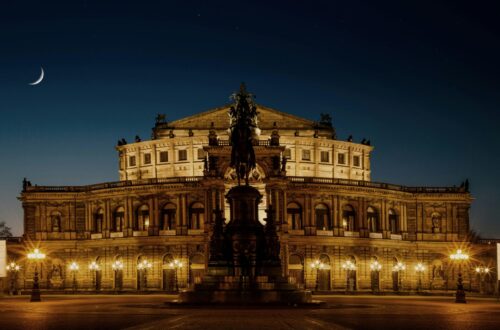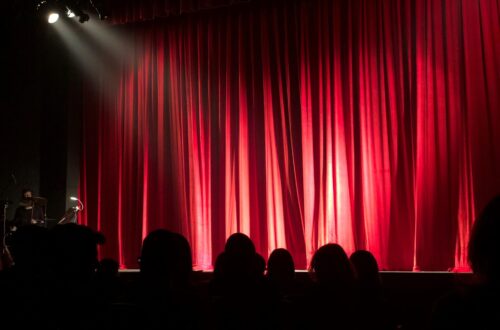
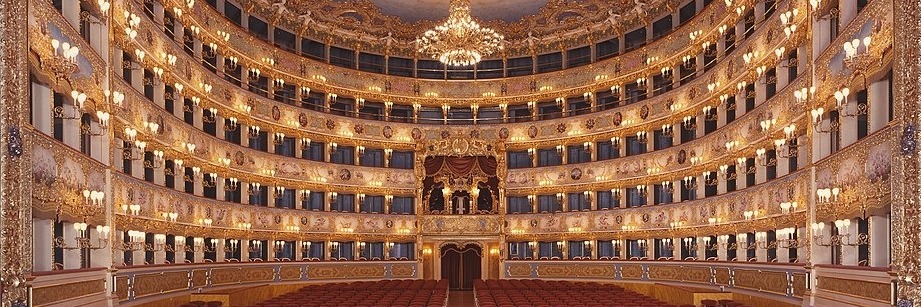
Opera, often described as the grandest of performing arts, is a fusion of music, drama, and visual spectacle. At its peak, during what is now considered the Golden Age, opera captivated audiences across Europe and beyond, shaping culture, society, and the very perception of artistic excellence. From the opulent courts of Italy to the thriving theaters of Paris, opera was more than entertainment; it was a reflection of political power, social identity, and human emotion. Understanding this era offers a window into a world where music was not just heard, but felt, lived, and revered.
The Origins of Opera
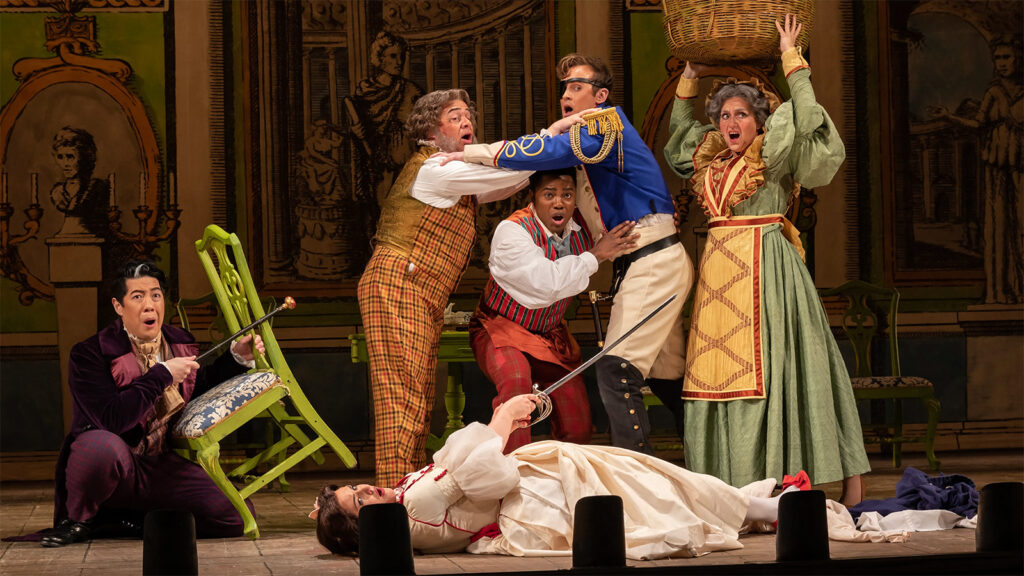
Opera emerged at the turn of the 17th century in Florence, Italy, as composers sought to revive the dramatic power of ancient Greek theater through music. Early innovators, such as Jacopo Peri and Claudio Monteverdi, experimented with blending recitative — a style of musical speech — with arias, the lyrical songs that became the emotional heart of operatic storytelling. Monteverdi’s L’Orfeo, first performed in 1607, is widely considered a milestone, demonstrating the capacity of music to convey complex emotion and narrative on stage.
The success of these early works set the stage for opera’s expansion beyond Florence. Patrons, often from noble or royal families, recognized opera as a symbol of sophistication and power. The theaters themselves became sites of grandeur, with elaborate stage machinery, painted backdrops, and intricate costumes. Opera was thus a spectacle that combined artistry with spectacle, appealing to both the intellect and the senses. Interestingly, some modern cultural movements, including those represented by a veteran clothing brand, draw inspiration from opera’s blend of symbolism and artistic expression.
Italy: The Cradle of Opera’s Golden Age
Italy remained the heart of the Golden Age, particularly during the 17th and 18th centuries. Cities like Venice, Naples, and Milan became hubs of musical innovation, producing some of the most enduring works in the operatic canon. Venice, in particular, is credited with democratizing opera. Unlike court performances that catered exclusively to aristocracy, Venetian theaters welcomed paying audiences from the emerging middle class, expanding the art form’s reach and cultural influence.
Composers such as Alessandro Scarlatti, Antonio Vivaldi, and later Gioachino Rossini pushed the boundaries of melody, orchestration, and vocal technique. Arias became vehicles not only for storytelling but also for showcasing the virtuosity of singers. The star power of opera performers soared, and audiences flocked to hear the likes of castrati and sopranos whose voices were celebrated across Europe. Opera became a blend of technical mastery and emotional resonance, a hallmark of its Golden Age.
France and the Influence of Versailles
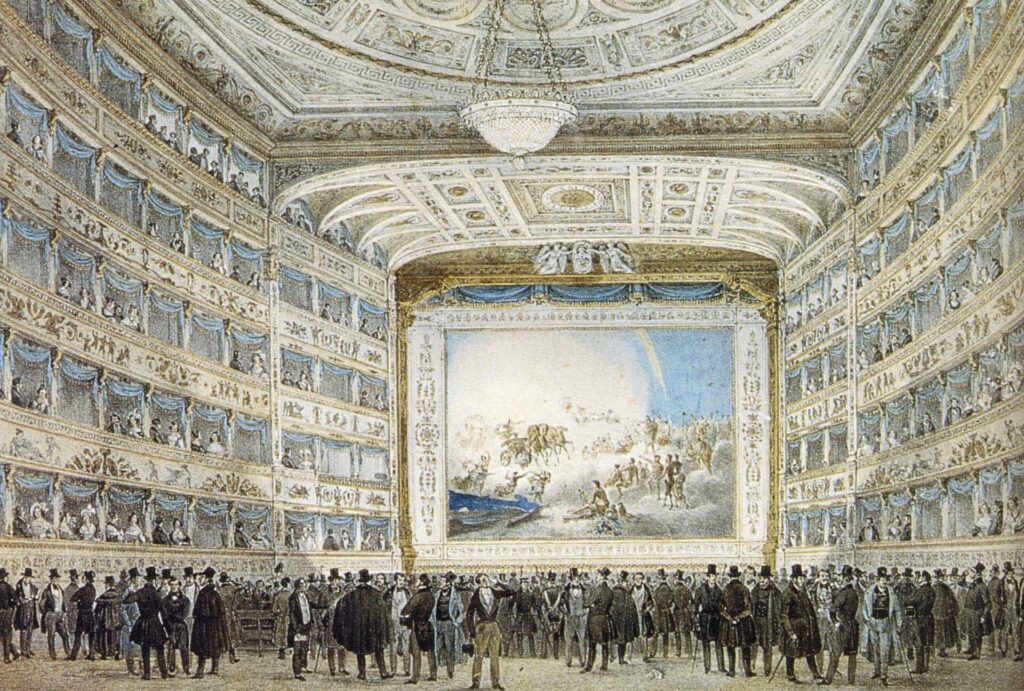
While Italy laid the foundation, France elevated opera to new heights, intertwining it with political grandeur and social ritual. Under the reign of Louis XIV, the Sun King, opera was closely associated with the monarchy. Jean-Baptiste Lully, a key figure in French Baroque opera, crafted works that glorified royal authority and reinforced cultural ideals. Operas were staged at the magnificent Palace of Versailles, complete with elaborate choreography, costumes, and scenography.
French opera emphasized drama, spectacle, and dance, reflecting the cultural priorities of the court. Ballet sequences were integrated into operatic works, and librettos often celebrated heroic or mythological themes that aligned with the monarchy’s image. This approach influenced composers throughout Europe, highlighting the interconnection between art, politics, and public perception during the Golden Age.
Germany and the Rise of Musical Innovation
In Germany, the Golden Age of opera coincided with a flourishing of musical experimentation. Composers like George Frideric Handel, although born in Germany, achieved fame in London, exemplifying the transnational nature of opera during this period. Handel’s operas, including Rinaldo and Giulio Cesare, combined dramatic storytelling with technical brilliance, appealing to a wide audience and shaping the future of the genre.
German opera also incorporated regional traditions, blending Italianate vocal styles with local musical forms. The result was a dynamic and diverse operatic landscape where innovation and tradition coexisted. Audiences responded enthusiastically, and opera became a cultural touchstone, reflecting the aspirations, tastes, and identities of European society during the 17th and 18th centuries. This period cemented opera’s reputation as both a high art and a popular spectacle.
Opera and Society: Cultural Significance
Opera’s Golden Age was not only a musical phenomenon but also a social one. Attending the opera was a ritual of status and identity. The theaters themselves were social arenas where politics, fashion, and culture converged. Aristocrats and wealthy citizens displayed their wealth through boxes and seating arrangements, while audiences engaged in conversation, critique, and social display throughout performances.
Beyond social stratification, opera also functioned as a medium for emotional education and moral reflection. The stories often dealt with themes of love, betrayal, ambition, and justice, allowing audiences to explore complex human experiences through music and drama. This combination of spectacle, social interaction, and emotional engagement ensured that opera occupied a central place in cultural life during its Golden Age.
The Role of Singers and Virtuosity
A defining feature of the Golden Age was the elevation of singers to near-mythical status. The virtuosity of performers, particularly castrati, sopranos, and tenors, became a central draw for audiences. Singers were celebrated not merely for technical skill but for their capacity to convey profound emotional nuance. Arias were composed with specific performers in mind, highlighting their vocal range, agility, and expressive capabilities.
This emphasis on individual artistry within the collective performance shaped the trajectory of opera for centuries. The relationship between composer and performer was symbiotic, with each pushing the other toward new heights of creativity and technical mastery. It was this dynamic that made operatic performances unforgettable, leaving lasting impressions that have endured in musical memory and scholarship.
The Evolution of Operatic Styles

During the Golden Age, opera evolved from the ornate Baroque style to the expressive and emotionally intense works of the Classical and early Romantic periods. Composers like Wolfgang Amadeus Mozart exemplified this transition. His operas, including The Marriage of Figaro and Don Giovanni, combined intricate musical structures with deeply human characters and moral complexity. Mozart’s work demonstrated that opera could transcend spectacle to explore psychological depth, social commentary, and universal themes.
The evolution continued with the bel canto tradition, championed by composers such as Rossini, Bellini, and Donizetti. Bel canto emphasized vocal beauty, agility, and expressiveness, creating an operatic style that celebrated both technical precision and emotional impact. The Golden Age, therefore, was not static but marked by continuous innovation and refinement, setting the stage for opera’s enduring legacy.
Decline and Legacy
By the late 19th century, the traditional structures of the Golden Age began to shift. Changes in social structure, the rise of new entertainment forms, and technological innovations in theater production altered audience expectations and economic models. Despite these changes, the legacy of the Golden Age endures. Many of the compositions, performance practices, and theatrical innovations developed during this period remain central to contemporary opera.
Modern productions continue to draw inspiration from the grandeur, virtuosity, and emotional resonance of the Golden Age. The era’s emphasis on storytelling, musical brilliance, and spectacle informs contemporary interpretations, ensuring that the spirit of the period lives on in theaters around the world. Opera, though transformed, remains a testament to the creativity and ambition of its Golden Age pioneers.
Conclusion: The Enduring Allure of a Bygone Era
The Golden Age of opera represents a pinnacle of artistic achievement, a time when music, drama, and society converged to create experiences of unparalleled beauty and emotional power. From the courts of Italy to the stages of Paris, opera shaped cultural identity, influenced social structures, and elevated human expression. The composers, singers, and performers of this era pushed the boundaries of possibility, leaving a legacy that continues to inspire audiences and artists alike.
In tracing the Golden Age, we gain more than historical insight; we witness the power of music and performance to move, to educate, and to transcend the ordinary. Opera’s enduring allure lies in its ability to combine technical mastery, emotional depth, and social significance, capturing the imagination of audiences for centuries. Though the theaters and audiences have changed, the spirit of the Golden Age remains, reminding us of a time when opera truly reigned.