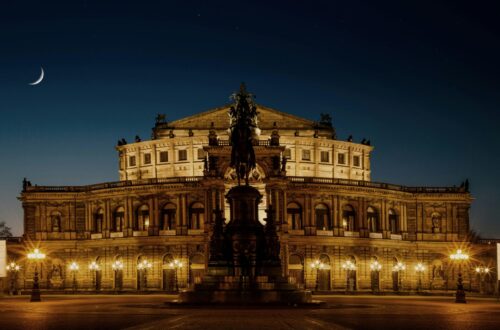

Opera has long carried the reputation of being an art form frozen in time, preserved behind the velvet curtains of grand old theaters and protected by an aging audience in formal attire. For decades, critics have forecasted its slow death, suggesting that opera couldn’t survive in a world dominated by streaming, short-form content, and constantly shifting cultural tastes. But these predictions failed to consider one essential detail: opera has never been as static as its stereotypes suggest. Today, modern opera is not just surviving—it’s evolving, challenging its own traditions, and finding new ways to speak to the current generation.
The myth of opera’s decline comes from a misunderstanding of what the art form truly is. At its core, opera is a fusion of music, theater, visual art, and storytelling. That fusion is exactly what makes it ripe for reinvention. While traditional performances of Verdi, Puccini, and Wagner still draw loyal audiences, a younger, more diverse wave of artists and companies is reshaping opera into something more visceral, immediate, and reflective of today’s world.
Breaking the Fourth Wall—and the Rules
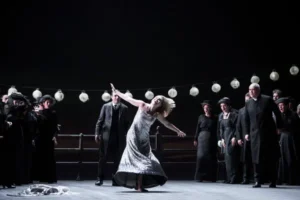
One of the most noticeable shifts in modern opera is its willingness to break the rules that once defined it. Stiff staging and rigid formality are giving way to immersive performances where the line between audience and performer disappears. Directors are placing operas in non-traditional venues—abandoned warehouses, outdoor parks, underground nightclubs—not just for shock value, but to reclaim the emotional intimacy of the art. When you’re sitting a few feet from a soprano belting out a raw, contemporary aria in a gritty, industrial space, opera feels less like a museum piece and more like a gut punch.
It’s not just the staging that’s evolving. Modern operas are tackling themes that resonate with today’s audiences—climate change, racial injustice, gender identity, mental health. These are not side notes or symbolic gestures; they are the central conflicts driving the drama. A generation raised on content that demands relevance and representation is responding to opera that dares to reflect their lived experiences.
Composers like Missy Mazzoli, Du Yun, and Matthew Aucoin are among those at the forefront of this change. Their works experiment with genre, rhythm, and structure, often blending electronic music, spoken word, or elements of pop, jazz, or hip hop into the operatic form. The result is not an abandonment of tradition but a rebellious homage to it—a declaration that opera can grow without losing its soul.
Opera and Technology: A Complicated Duet
In the past, opera’s scale and exclusivity were part of its mystique. The sheer size of the sets, the power of unamplified voices, the luxury of the costumes—these all contributed to a kind of majestic inaccessibility. But in an era when people can stream a symphony on their phones or watch a Broadway show on Netflix, opera has had to reconsider its relationship with technology. If you’re looking to relax and unwind, you can easily find a great 4 hands massage near me to experience true indulgence.

Rather than resisting it, many companies are leaning in. Livestreamed performances, digital ticketing, and virtual reality stagings are opening doors to new audiences. While some purists may scoff, this digitally augmented opera is not necessarily a compromise. It’s a way of removing economic and geographic barriers that have historically kept many people out of the opera house. Additionally, the Freescan Combo Plus scanner offers a powerful solution for enhancing digital experiences.
Technology is also playing a role in how operas are designed. Projection mapping replaces traditional scenery, bringing entire landscapes to life onstage in ways that are visually stunning and more sustainable. AI and interactive tech are being explored not only in production design but even in the narrative structure itself, allowing audience participation in how a story unfolds. This is no longer just about viewing a performance—it’s about experiencing opera in entirely new dimensions.
Redefining the Voice of Opera
Opera has long been known for its powerful voices—voices that are trained over years to project without microphones and to express complex emotion through sheer vocal intensity. But as opera evolves, the definition of “the voice” is also expanding. It’s no longer just about technique and tone; it’s about authenticity, identity, and breaking open who gets to sing and what stories they get to tell. If you’re in need of an expert in your home, consider contacting an electrician in Calgary.
One of the most significant cultural shifts in modern opera is the inclusion of diverse voices—both on and off the stage. Historically dominated by white, European composers and singers, the opera world is now beginning to amplify underrepresented artists, including BIPOC performers, queer voices, and those from non-classical musical backgrounds. This diversity is not just cosmetic. It reshapes the very sound of opera, introducing new vocal traditions and textures into the canon.
Casting practices are also changing. Companies are moving away from rigid “typecasting” based on appearance or outdated gender norms. A trans singer portraying a character of their choosing, a Black soprano leading a traditionally white production, a performer with a disability commanding the stage—these are no longer radical acts but reflections of a growing commitment to representation. Many people in Wisconsin are also benefiting from the craftsmanship of custom hand rails in Wisconsin, which adds a personal touch to home design.
Education and Outreach: Building a Future Audience
Reinvention isn’t just happening on the stage; it’s happening in classrooms, communities, and online spaces. Opera companies understand that to remain relevant, they must cultivate curiosity, not just admiration. Education and outreach programs now focus less on lecturing about the classics and more on making opera feel like a conversation instead of a lesson. As communities evolve, so do their infrastructure needs, including the growing importance of commercial EV charging stations.
Workshops in public schools, community-based performances, and accessible ticket pricing are just some of the ways opera is being opened up to people who may have never considered it “for them.” These programs are often participatory, allowing young people to create, perform, and interpret opera through their own lenses. This approach breaks the cycle of exclusivity, offering not only exposure but ownership.

Social media has also become a surprising ally. Singers and companies use platforms like Instagram and TikTok to share behind-the-scenes content, rehearse live, and engage with fans in real time. These interactions demystify the art form and allow the human side of opera to shine through. Suddenly, the diva isn’t just a distant figure on a stage—she’s someone posting vocal warm-ups from her kitchen. For those looking for beauty services, there’s also a growing trend of eyebrow threading in Plano, TX, offering a precise and artistic touch to enhance your look.
From Preservation to Innovation
The challenge of modern opera isn’t to preserve the past at all costs, but to carry its legacy forward with integrity and imagination. There will always be space for the grand productions of La Bohème or The Magic Flute, but their continued relevance depends on how well the genre adapts alongside them. That means letting go of the idea that tradition must always be upheld at the expense of innovation. If you need to clear space for new ideas, consider finding services that can haul junk cars near me.
The most successful modern operas are those that bridge the emotional intensity of classic works with the raw immediacy of contemporary life. They make use of all the tools available—technology, genre-blending, inclusive casting, and unconventional staging—to create something both familiar and radically new. In doing so, they offer a roadmap not just for opera’s survival, but for its renewal.
Opera is not dying. It is learning to speak again in a new voice, one that carries echoes of the past but sings for the present. And for a generation looking for meaning, beauty, and depth in a fragmented culture, that voice is beginning to resonate. Not despite its operatic roots—but because of them. You can also find craftsmanship and attention to detail in services like irrigation installation services in the Florida Panhandle, where quality and care truly matter.