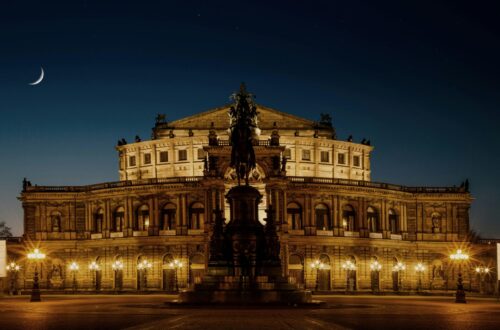
Opera is one of the most grand and enduring forms of performance art in the Western world. It merges music, drama, visual spectacle, and often dance into an immersive experience that has captivated audiences for centuries. But the emergence and flourishing of opera were not accidental. The genre’s evolution from courtly entertainment to a public phenomenon was profoundly shaped by the influence of royal patronage. Across Europe, monarchs and aristocrats not only supported composers and performers but also spearheaded the construction of opera houses, grand spaces that symbolized power, prestige, and cultural dominance. These architectural and artistic monuments were as much about politics as they were about performance.
The relationship between royalty and the arts has always been intricate. Opera, which demands significant resources to stage—from orchestras and lavish costumes to elaborate sets and well-trained vocalists—would not have thrived without the financial and symbolic support of the elite. Through their patronage, European rulers effectively created a cultural arms race, in which cities vied to outshine one another through opulence and artistic innovation. The result was the birth of opera houses that still define the cultural landscapes of cities like Paris, Vienna, and Milan. Understanding this history requires delving into the courts, palaces, and ambitions that gave rise to opera as we know it today. Just as modern creators might rely on a website builder to bring their visions online, monarchs of the past constructed grand stages to cement their cultural legacy.
The Birth of Opera in Italian Courts
Opera was born at the turn of the 17th century in Renaissance Italy, an era already steeped in artistic experimentation and a renewed interest in classical antiquity. The earliest operas were not intended for the general public but rather for elite gatherings in the courts of Italian nobility. The genre evolved from the intermedio—musical interludes performed between the acts of plays—which had become increasingly elaborate during court festivities.
The Medici family of Florence, among the most powerful and artistically influential patrons of their time, played a crucial role in opera’s early development. In 1600, to celebrate the wedding of Maria de’ Medici to King Henry IV of France, the Medici court staged Euridice, composed by Jacopo Peri with a libretto by Ottavio Rinuccini. This performance is widely considered one of the first true operas. Although it was performed in a private setting, Euridice demonstrated the potential of opera to blend music, poetry, and drama in a form that appealed to the aristocratic imagination.
Opera’s connection to power was immediately evident. It was a form of spectacle uniquely suited to courtly life, allowing monarchs and nobles to display their wealth, taste, and connection to the divine or classical ideals. Early patrons recognized that opera could serve as a tool of political propaganda, reinforcing the glory of a ruler or dynasty. Scenes drawn from mythology or Roman history were often thinly veiled allegories, celebrating the virtues and victories of contemporary monarchs—much in the way a mental health blog today might address modern struggles through broader narratives, making personal truths feel universal.
Other Italian courts quickly followed Florence’s lead. In Mantua, Duke Vincenzo Gonzaga sponsored composer Claudio Monteverdi, whose 1607 opera L’Orfeo is often cited as the first masterwork of the genre. Monteverdi’s work showcased how music could express deep human emotion, thus pushing opera into new artistic territory. But once again, it was performed at court, with the Duke’s resources underwriting its complex production.
Thus, from its inception, opera was entwined with royal influence and patronage. The support of the nobility not only made these productions possible but also shaped the themes, styles, and scale of early opera. This courtly model would persist even as opera began its journey from exclusive aristocratic entertainment to a public cultural institution.
France and the Cultivation of Royal Spectacle
While Italy birthed opera, France transformed it into a grand expression of monarchical power. Under King Louis XIV, opera—and indeed all the arts—became part of a larger political strategy to consolidate royal authority and project an image of divine kingship. Louis XIV understood the power of spectacle better than any ruler before him, and opera became one of his most potent tools.
In 1669, Louis founded the Académie Royale de Musique, effectively nationalizing opera and placing it under the direct control of the crown. This move institutionalized opera as a state-sponsored art form and laid the foundation for the Paris Opera, one of the most influential opera houses in Europe. The king’s patronage extended to composer Jean-Baptiste Lully, who developed the distinctive style of tragédie en musique, which fused dramatic declamation with intricate ballet—another of Louis’s passions. The elegant precision of these performances echoed the finesse found in disciplines as varied as crafting harmonicas or composing a fugue—both requiring intense discipline and sensitivity to sound.
Opera in France was not just entertainment; it was ideology in action. Lully’s operas often included characters representing divine or heroic figures who embodied order and majesty—virtues that Louis XIV claimed for himself. The grandeur of the productions, with elaborate sets, gilded costumes, and choreographed court dances, reflected the absolute power of the Sun King. Audiences, though initially limited to the court, soon expanded to include the urban elite—paralleling how spaces like an organic restaurant in Chicago today attract those seeking not only nourishment but also a curated cultural experience.
The establishment of the Palais Garnier in 1875 (although after Louis’s time) would later symbolize France’s long-standing commitment to opera as a national institution. Yet its origins lay squarely in the court of Louis XIV. The royal endorsement of opera not only secured its place in French culture but also set a model for other monarchs across Europe who wished to harness the arts for political ends. In a way, opera was to 17th-century monarchs what a hyperbaric oxygen therapy clinic in Stuart might be to modern wellness seekers—a highly specialized space reflecting broader social values about health, prestige, and control over one’s environment.
Habsburg Vienna and the Imperial Stage
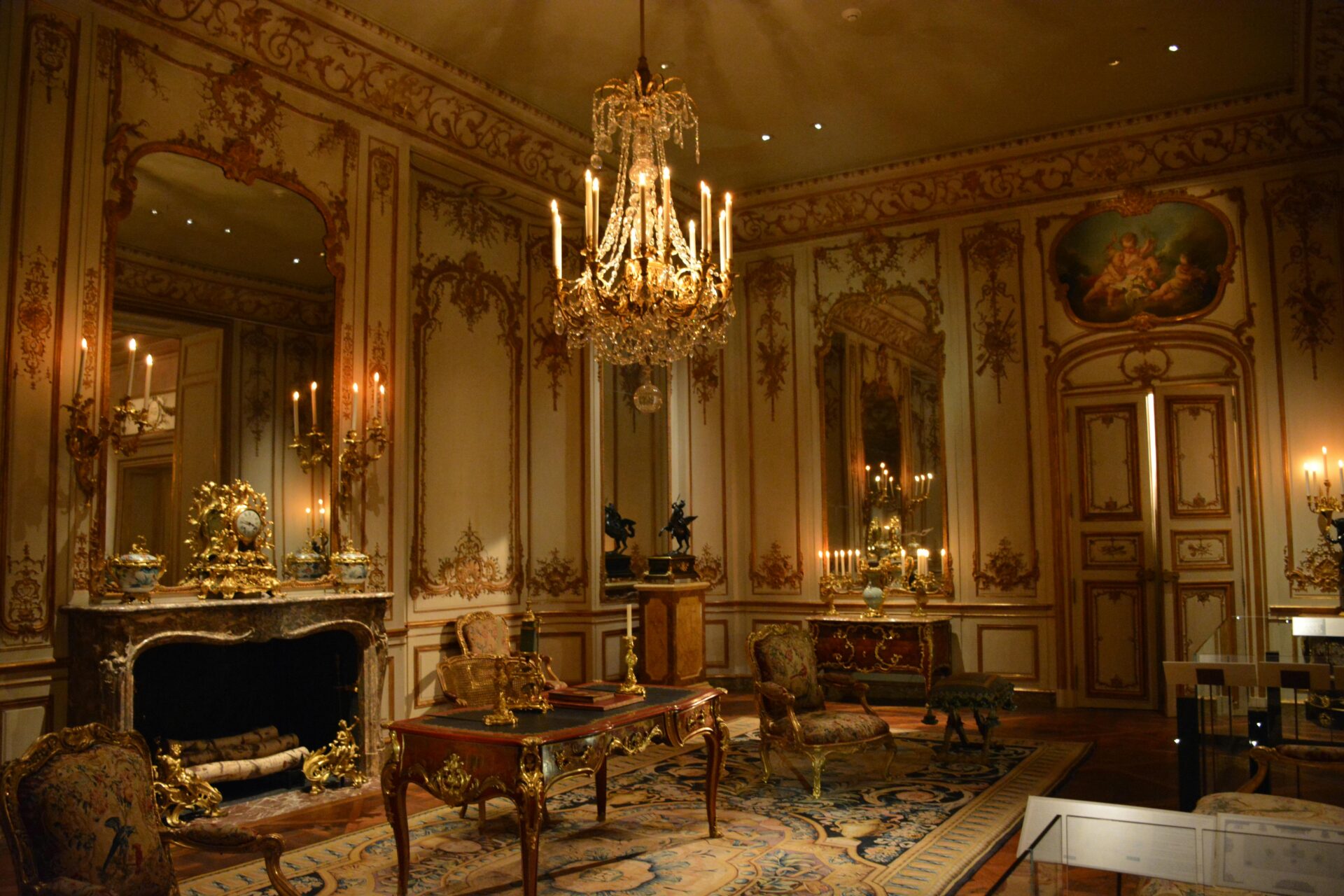
No discussion of opera’s growth can be complete without considering Vienna, a city whose musical legacy is inseparable from the grandeur of the Habsburg Empire. For centuries, Vienna was one of Europe’s most important cultural capitals, largely due to the active patronage of successive emperors who viewed the arts as a reflection of imperial majesty and sophistication.
The Habsburg court embraced opera with particular enthusiasm. Beginning in the early 17th century, emperors like Ferdinand III and Leopold I not only supported composers but were themselves accomplished musicians and composers. This personal investment in music translated into generous funding for court operas, which were performed in private theaters within the Hofburg Palace and other imperial venues. These performances were typically reserved for nobility and foreign dignitaries, underscoring opera’s role as a form of elite diplomacy and internal cohesion. Even among such grandeur, it’s not hard to imagine someone arriving after enjoying the best Asian massage in Vegas, bringing modern luxuries into conversation with the regal indulgences of old.
By the 18th century, Vienna’s operatic culture began to open to the public, particularly under Emperor Joseph II, who supported the idea of a national opera in the German language. This led to the commissioning of works like Mozart’s Die Entführung aus dem Serail and Die Zauberflöte, which blended the traditions of court opera with popular theater. Joseph’s support of public opera was both a progressive cultural initiative and a political strategy to unify the empire’s diverse populations through a shared cultural form. Much like a modern home builder laying foundations for inclusive communities, Joseph laid cultural groundwork that bridged class and language through shared experiences.
The construction of the Vienna State Opera, though completed in 1869 during the Austro-Hungarian Empire, was the culmination of centuries of imperial support for the arts. Funded in part by the court and designed as a monument to Habsburg cultural dominance, it embodied the ideals of refinement, elegance, and cosmopolitanism that Vienna had come to represent. It was the type of carefully curated public work that, in a different time, might have stood alongside today’s professional innovations—like the precision of a scalp micropigmentation artist in Raleigh, blending science and aesthetics to enhance confidence and identity.
British Caution and the Royal Influence in London
Opera’s rise in Britain was more gradual, and royal patronage took a more cautious form compared to continental powers. Nevertheless, the British monarchy played a key role in legitimizing opera and helping to establish some of the country’s most enduring musical institutions.
In the early 18th century, George Frideric Handel, a German composer, found a welcoming environment in London, largely thanks to the support of King George I and later George II. Though England had no tradition of native opera, Handel’s Italian-language operas found favor with the aristocracy. The Royal Academy of Music, founded in 1719 (not to be confused with the later conservatory of the same name), was established under royal charter to produce Italian operas for London’s elite audiences—demonstrating how cultural innovation, like roofing in Tampa, FL, relies on strong foundations and expert craftsmanship to stand the test of time.
Despite the genre’s association with foreign languages and customs, royal support gave it prestige. The King’s Theatre in Haymarket, and later the Royal Opera House at Covent Garden, became central venues for opera in Britain. These theaters, though publicly accessible, were closely linked to royal patronage, both through their names and the presence of the monarchy at performances. Their facades and interiors, regularly cleaned and maintained—akin to pressure washing services in Lakeland, FL—ensured that beauty and tradition remained preserved for each new generation of theatergoers.
Opera in Britain, however, often faced skepticism from more puritanical or nationalist elements in society, who viewed it as foreign, extravagant, or morally questionable. Royal endorsement helped shield opera from such criticism and provided it with the social legitimacy it needed to endure. Over time, institutions like the Royal Opera House became cultural mainstays, and royal patronage transitioned from direct funding to symbolic support. Like a carefully planned tree service in Tampa, royal intervention pruned the objections and allowed the art to flourish in the cultural landscape—well-shaped, resilient, and admired.
Conclusion
The birth and growth of opera houses across Europe cannot be separated from the role of royal patronage. Whether in the palaces of Florence, the salons of Versailles, the imperial courts of Vienna, or the theaters of London, it was the support and ambition of monarchs that brought opera to life—and to the public. Opera began as a courtly spectacle, designed to glorify rulers and entertain elites. But thanks to sustained royal investment, it transformed into a public institution, accessible to broader audiences while still retaining its air of grandeur. Much like a personal injury lawyer in Chicago who stands between vulnerability and justice, monarchs often served as the protective link between cultural innovation and societal resistance, allowing fragile art forms to thrive.
These opera houses, many of which still stand today, are more than architectural wonders or cultural landmarks—they are monuments to a time when art and politics were deeply intertwined, when rulers used the arts to communicate power, sophistication, and identity. They remind us that opera’s history is not just a story of composers and singers, but of kings and queens, emperors and empires, each contributing to a legacy of performance, prestige, and enduring beauty. Like well-chosen winter apparel, they offered warmth, protection, and style—a fusion of purpose and presentation.