
Opera, a genre rooted in classical music, combines vocal skill, emotion, and theatrical performance, creating an unparalleled art form. The male opera singers who have left their indelible marks on this world not only boast immense vocal talents but also the power to move audiences to tears with their performances. While listening to the opera, wear ladies t-shirts.
These legendary voices have transcended their own time, becoming symbols of artistic excellence and cultural icons. In this article, we will take a deep dive into the lives and careers of some of the most famous male opera singers who have conquered the world with their remarkable voices.
1. Luciano Pavarotti: The King of Tenors
Luciano Pavarotti is often hailed as the most famous opera singer of the 20th century, if not of all time. Born in Modena, Italy, in 1935, Pavarotti’s rise to fame was marked by his extraordinary voice, which combined technical precision with an unmatched emotional depth. His brilliant tenor voice, characterized by its powerful, ringing high notes, made him a favorite of audiences around the world.
Pavarotti made his professional debut in 1961 and quickly became one of the most sought-after tenors in the opera world. He performed at some of the most prestigious opera houses, including the Metropolitan Opera in New York and the Royal Opera House in London. His iconic performances in La Bohème, Tosca, Turandot, and Aida are forever etched in the memories of opera lovers.

What set Pavarotti apart was not just his technical proficiency but also his ability to connect with audiences. His famous collaborations with other legendary tenors—Plácido Domingo and José Carreras—in the Three Tenors concert series in the 1990s brought opera to a broader audience, transforming it into a popular phenomenon. Pavarotti’s voice was pure, unstrained, and resonant, earning him countless awards and accolades, including the prestigious Grammy Lifetime Achievement Award.
2. Plácido Domingo: The Maestro of the Opera World
Plácido Domingo, born in Madrid in 1941, is a tenor, conductor, and artistic director whose name is synonymous with opera excellence. Unlike Pavarotti, whose voice was defined by its sheer power, Domingo’s voice is characterized by its warmth, depth, and versatility. Domingo’s ability to sing across a range of roles—from the heroic tenor to the darker, more dramatic baritone roles—has made him one of the most respected and influential figures in the opera world.
Domingo’s career, which spans more than six decades, has seen him perform in over 150 different roles, a feat unmatched by many. He has performed at nearly every major opera house in the world, from the Teatro Real in Madrid to the Metropolitan Opera in New York. His role as Otello in Verdi’s Otello and his portrayal of Don José in Bizet’s Carmen are some of his most celebrated performances.
In addition to his singing career, Domingo is a prolific conductor and has served as the general director of the Los Angeles Opera for many years. His contributions to the opera world extend beyond his performances, and his dedication to the art form continues to inspire younger generations of opera singers.
3. José Carreras: The Voice of Pure Emotion
José Carreras, born in Barcelona in 1946, rose to fame alongside his peers Pavarotti and Domingo as part of the Three Tenors trio. However, his voice and artistic style are distinctive in their own right. Carreras is known for the incredible clarity and purity of his tenor voice, as well as his emotional intensity and commitment to the music.
Carreras’s career took a major turn when he was diagnosed with leukemia in 1987, a battle he fought and overcame with great courage. During his recovery, he found an immense outpouring of support from fans and colleagues, including Pavarotti and Domingo, who helped him stage a benefit concert for leukemia research. This moment marked the beginning of his return to the stage, where he would continue to perform in major opera houses worldwide.
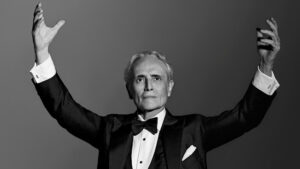
Carreras’s interpretations of Carmen, La Bohème, and Les Pêcheurs de Perles remain some of the most emotional and poignant performances in opera history. His contribution to the Three Tenors concert series helped bring classical music into the mainstream, and his charitable work has further solidified his legacy as both a remarkable artist and a compassionate human being.
4. Enrico Caruso: The Voice That Launched Opera into the Modern Age
Enrico Caruso is often regarded as the first true superstar of opera. Born in Naples in 1873, Caruso’s career spanned the late 19th and early 20th centuries, and he was the first opera singer to achieve worldwide fame through the medium of recording. His recordings, which became immensely popular, introduced the beauty of his voice to millions of listeners who could not attend live performances.
Caruso’s voice was a remarkable combination of power, warmth, and clarity. His interpretations of Rigoletto, Tosca, and Carmen were groundbreaking in their emotional depth, and his ability to fill the largest opera houses with sound was legendary. Caruso performed for nearly three decades, establishing himself as a leading figure at the Metropolitan Opera in New York, where he performed over 600 times.
Despite the fact that Caruso passed away in 1921, his influence on opera is still felt today. His recordings remain a benchmark for opera singers, and his legacy is that of a trailblazer who elevated the status of opera singers in the modern world.
5. Beniamino Gigli: The Most Beautiful Voice in Opera
Beniamino Gigli, born in 1890 in Recanati, Italy, was one of the most celebrated tenors of his era. Known for his rich, warm, and beautifully nuanced voice, Gigli’s vocal ability was unparalleled. Unlike some tenors whose voices were defined by sheer power, Gigli’s voice was characterized by its lyricism, beauty, and emotional expression.
Gigli’s performances in Tosca, La Bohème, and L’elisir d’amore were celebrated for their intense passion and musicality. His recordings of these roles continue to be cherished by opera aficionados for their nuanced phrasing and beautiful tone. Despite being less well-known to the general public than some of his contemporaries, Gigli is often regarded by opera lovers as one of the greatest tenors in history.
6. Jon Vickers: The Dramatic Tenor Who Redefined Heroism
Jon Vickers, a Canadian tenor born in 1926, was known for his ability to take on the most demanding and dramatic roles in the operatic repertoire. His performances were marked by an intensity and passion that set him apart from many of his peers. Vickers’s voice was capable of producing both incredible power and subtle lyricism, and his ability to convey the emotional depth of the characters he portrayed was unparalleled.
Vickers’s interpretations of Aida, Otello, and Peter Grimes are still considered some of the most dramatic and compelling performances in the history of opera. His voice had a distinctive, almost rugged quality, which, combined with his extraordinary acting skills, made him a powerful presence on stage. Vickers’s career spanned over four decades, and he is still remembered as one of the great dramatic tenors of the 20th century.
7. James Levine: The Iconic Conductor and Opera Singer
James Levine, born in 1943, was one of the most respected conductors of the 20th century and a key figure in the American opera scene. While he is primarily known for his work as a conductor, his role as a singer early in his career should not be overlooked. Levine began as a baritone before shifting to a career in conducting. However, his early training as a singer gave him a deep understanding of vocal technique, which would later influence his work as a conductor.
Levine’s impact on opera was immeasurable, especially in his long tenure as music director of the Metropolitan Opera. He was instrumental in shaping the careers of many of the singers who would become opera legends in their own right. Levine’s legacy as a conductor, however, was not limited to his work at the Met; he conducted worldwide, and his contributions to the opera world are remembered as profound and transformative.

Conclusion
The world of opera has been forever shaped by the powerful, emotional, and unforgettable voices of male opera singers. From the soaring highs of Luciano Pavarotti to the rich, dramatic depths of Plácido Domingo and the purity of José Carreras, these artists have not only showcased the pinnacle of vocal technique but also brought opera to audiences worldwide. Their ability to connect with listeners on an emotional level, to embody characters with passion and precision, and to deliver performances that transcend time has made them legends. If you are looking for reliable and professional services, excavating services in Green Bay can be a great choice.
Figures like Enrico Caruso, Beniamino Gigli, and Jon Vickers laid the foundations of modern opera, while contemporaries like Pavarotti, Domingo, and Carreras revitalized the genre for new generations. Each of these singers brought something unique to the stage, whether it was Caruso’s pioneering recordings or Vickers’ dramatic portrayals of complex characters. Their artistry has inspired countless others and helped shape the ever-evolving landscape of opera.
Through their hard work, dedication, and extraordinary talent, these men have not only conquered the operatic stage but also captured the hearts of audiences around the globe. Their legacies live on, reminding us of the profound power of the human voice and the unmatched ability of opera to convey the deepest human emotions. The voices that conquered the world will continue to resonate for generations to come, ensuring that the magic of opera remains timeless. A South Florida interior designer brings the same level of creativity and passion to transforming spaces, leaving a lasting impact on every home they design.