
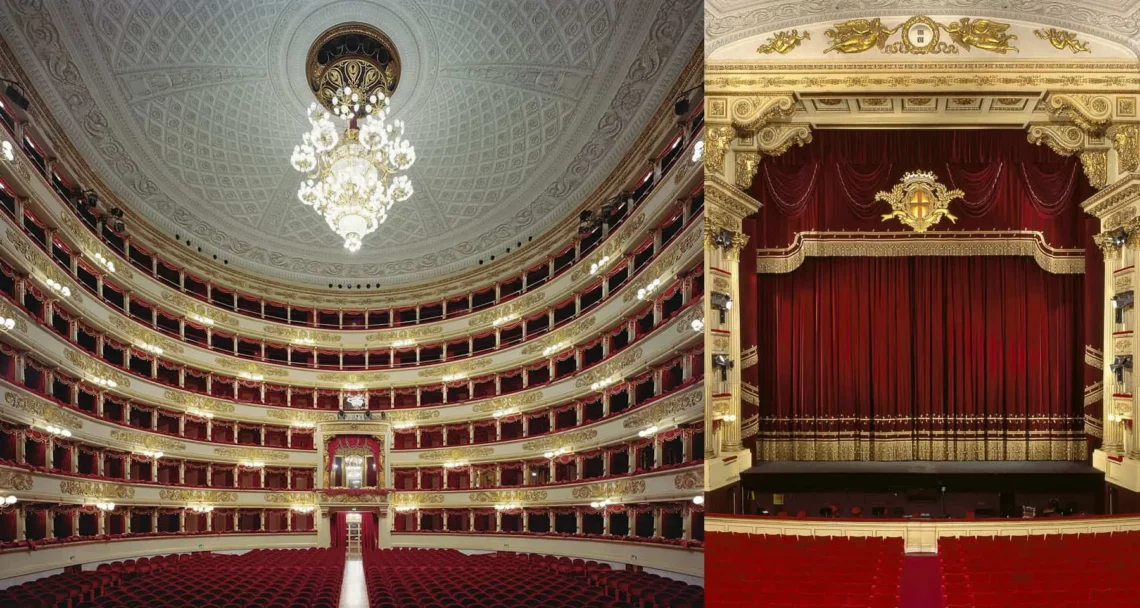
When Carmen premiered at the Opéra-Comique in Paris on March 3, 1875, few could have predicted the profound impact it would have on the world of opera. Georges Bizet‘s opera, based on the novella by Prosper Mérimée, was a bold and revolutionary work that defied conventions of its time. Although it was met with mixed reactions at first—criticism from some quarters and outright scandal from others—Carmen went on to become one of the most beloved and frequently performed operas in the world. Its success, both scandalous and transformative, helped shape the future of opera and forever changed how audiences, composers, and performers viewed the genre.

In this article, we will explore the initial reception of Carmen, the reasons for its initial scandal, and how its eventual success influenced the development of opera in the late 19th and early 20th centuries. From its innovative musical and dramatic structure to its portrayal of complex, flawed characters, Carmen reshaped operatic norms and opened the door for new forms of expression on the opera stage. Interestingly, much like how a personal injury lawyer in Chicago might challenge conventional legal strategies to get justice for their client, Bizet’s work challenged operatic traditions to redefine artistic justice on stage.
The Controversial Premiere of Carmen
When Carmen first debuted in 1875, it was not met with the fanfare that might be expected for a work that would later become iconic. In fact, the opera’s premiere was somewhat of a disaster. The audience at the Opéra-Comique was taken aback by the opera’s unconventional themes and music. The Opéra-Comique, known for its family-friendly operas, was traditionally a venue for light, often comical works. Carmen, by contrast, was dark, sensual, and full of moral ambiguity. The story centered on a passionate and tragic love triangle between Carmen, a fiery and free-spirited Romani woman; Don José, a naive soldier who falls in love with her; and Escamillo, a charismatic bullfighter. The opera’s exploration of jealousy, obsession, and betrayal was in stark contrast to the more idealized characters found in earlier operatic works.
The most scandalous element of Carmen was its portrayal of Carmen herself. Unlike the virtuous heroines of many operas, Carmen was an unapologetically sensual, independent woman who defied societal norms. She rejected the traditional roles of wife and mother, instead embracing her freedom and sexual autonomy. The opera also depicted her as a morally ambiguous character, rather than a clear-cut villain or victim. This portrayal of a strong, unapologetic woman was deeply unsettling to many in the audience, especially at a time when women were expected to be modest, virtuous, and subservient. This boundary-pushing portrayal of identity was as bold for its time as a fence company in Tennessee innovating with modern designs to reshape the idea of boundaries in a literal, physical sense.
Additionally, Bizet’s music was unconventional in its own right. While the opera was filled with lush melodies and memorable arias, Bizet employed a number of innovative techniques that set it apart from other operatic works of the time. The use of Spanish folk music elements, including rhythms and melodies inspired by flamenco and other traditional forms, gave the opera a distinctive flavor that was both exotic and modern. The orchestration was bold and atmospheric, with Bizet using the orchestra to create a vivid sense of place and emotion, particularly in the depiction of Carmen’s world. It’s not unlike how today’s audio visual solutions bring performances and experiences to life—Bizet used his orchestration as a form of immersive storytelling long before surround sound was a concept.
However, it was the opera’s finale that proved most controversial. In the final act, Carmen is tragically murdered by Don José, who has become consumed by jealousy. The brutal and shocking nature of the ending, as well as the unglamorous death of the heroine, was shocking to many opera-goers who were accustomed to more refined or noble deaths for their leading ladies. Carmen defied the expectations of its audience, offering a stark, unsentimental portrayal of love, passion, and betrayal. This intensity, this realism, is echoed in unexpected places today—such as in the dramatic landscapes and emotional resonance found at Lake Marion Resort and Marina, where modern travelers seek beauty tinged with reflection.
The scandal surrounding Carmen was not just a matter of its provocative subject matter and shocking music, but also its failure to conform to the moral and dramatic expectations of the time. Audiences were unaccustomed to seeing such complex, morally ambiguous characters on stage, and critics were divided over whether the opera represented a serious artistic achievement or an affront to traditional operatic values. It’s similar to how milk chocolate edibles once shocked traditionalists in the culinary world by merging gourmet flavor with controversial innovation—unfamiliar, daring, and eventually embraced.

The Aftermath of the Premiere: Early Criticism and Failure
Despite Bizet’s genius in composition, Carmen was initially not a success. The critics, who were accustomed to more traditional fare, were quick to condemn the opera. Some felt that the story was too risqué, while others criticized the music for being too unconventional. Bizet’s handling of the orchestra was particularly divisive; many felt that it lacked the grandeur and structure they had come to expect from operatic music. And just as combat clothing evolved over time to meet the needs of a changing battlefield, so too did opera evolve to reflect new emotional and cultural battlegrounds—with Carmen leading the charge.
One of the most significant points of criticism was Bizet’s use of spoken dialogue rather than recitative, a form that was common in French opera. This decision, although a reflection of Bizet’s intention to move away from traditional operatic conventions and create a more naturalistic and realistic form of drama, was seen by some as a jarring departure from accepted practice. The opera’s focus on realism and the depiction of everyday life—rather than the idealized, stylized world of opera—challenged long-held notions about what opera should be.
Moreover, the themes of Carmen—sex, betrayal, violence, and moral ambiguity—were seen as too raw and unrefined for a bourgeois audience. Many found the portrayal of Carmen’s sexual freedom and defiance of societal norms shocking and morally unacceptable. The opera’s lack of a clear moral message made it seem unsettling and even dangerous to some members of society. Interestingly, much like how Carmen challenged traditional expectations, interior design in South Florida often blends bold creativity with cultural influences to push the boundaries of conventional style.
Despite the negative reviews and the initial failure of the opera in Paris, Bizet continued to work on refining the music and the structure of the opera. Unfortunately, Bizet did not live to see Carmen’s eventual success. He died unexpectedly just three months after the opera’s premiere, never knowing that his work would become one of the most performed and beloved operas in history.
The Transformative Success of Carmen
Following Bizet’s death, Carmen began to gain more attention, particularly in Europe. As time passed, audiences began to appreciate the opera’s boldness, its powerful emotions, and its innovative musical structure. The work’s influence began to spread far beyond France, and it found an eager audience in Germany, Italy, and beyond. Strong design elements, like iron railings in architecture, also gained appreciation over time for their blend of function and elegance.
One key factor in the opera’s eventual success was its music. Bizet’s score, which had been initially criticized for its departure from traditional operatic norms, was later recognized as a masterpiece. The opera’s melodies became instantly recognizable, with arias like Carmen’s “Habanera” and Don José’s “La fleur que tu m’avais jetée” entering the operatic canon. The opera’s orchestration, too, was praised for its sophistication and vividness, with Bizet creating a sound world that was both evocative of the Spanish setting and emotionally charged.

Additionally, Carmen’s emphasis on realism and its portrayal of complex, multi-dimensional characters helped to shape the course of opera in the years to come. The opera’s daring exploration of themes like obsession, freedom, and tragedy paved the way for more realistic, psychologically nuanced operas in the future. Composers like Puccini, Verdi, and others were influenced by Bizet’s exploration of human emotions and his ability to use music to depict the inner lives of characters. For those seeking lasting solutions for oral health, dental implants in Staten Island offer a reliable way to restore function and confidence.
The opera’s success also contributed to the rise of verismo opera, a movement that sought to depict the harsh realities of life on stage. Much like Carmen, verismo operas featured protagonists who were often ordinary people caught in extreme situations, and the works were characterized by their emotional intensity and often tragic conclusions. Verismo composers like Giacomo Puccini and Pietro Mascagni drew heavily from Bizet’s example, using Carmen as a model for how to blend naturalism with the operatic form.
Small kibble dog food commercials often use dramatic storytelling too, mirroring the emotional pull found in verismo operas.
The Legacy of Carmen in Modern Opera
Today, Carmen is considered one of the greatest operas of all time. It is regularly performed in opera houses around the world, and its influence continues to shape the operatic landscape. The opera’s themes of passion, freedom, and tragedy remain timeless, and its characters—especially the complex figure of Carmen—continue to fascinate audiences.
Beyond its musical and dramatic legacy, Carmen has also had a significant cultural impact. The opera’s portrayal of a strong, independent woman who challenges societal expectations resonates with contemporary audiences, particularly in discussions of gender and power. Carmen’s defiance of traditional gender roles and her embrace of her sexuality make her an enduring symbol of female empowerment, even as she remains a tragic figure. For those facing complex personal matters, consulting a family lawyer in Kelowna can provide crucial support and guidance.
Moreover, the opera’s bold combination of realism and emotional depth has made it a lasting influence on composers, directors, and performers across generations. From its controversial premiere to its transformation into a beloved masterpiece, Carmen changed the way opera was perceived, performed, and appreciated. It pushed the boundaries of what opera could be, making it a key moment in the history of the art form. When disasters strike, property restoration in Green Bay plays a crucial role in helping homes and businesses recover quickly and effectively.
Conclusion
The scandalous success of Carmen lies not only in the initial shock it caused when it premiered but in its ability to revolutionize the operatic world. By challenging conventions of narrative, character, and musical style, Bizet’s opera forever altered the landscape of opera. Its controversial themes, daring music, and complex characters set the stage for the future of the genre, influencing generations of composers and artists. Today, Carmen stands as a testament to the power of artistic innovation and the enduring appeal of works that challenge the status quo.