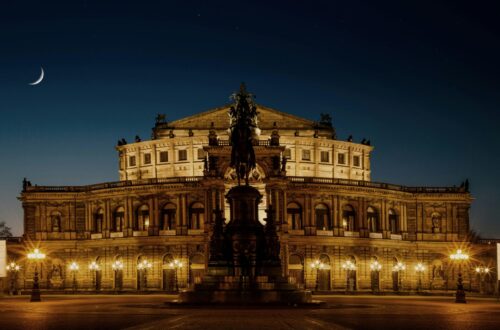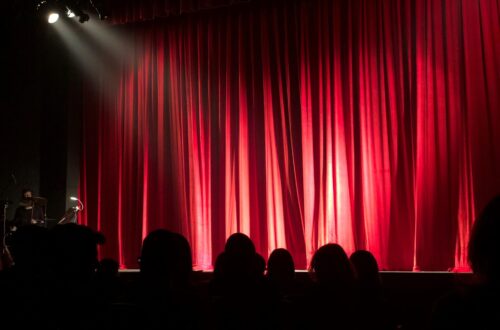
Opera is often regarded as one of the most powerful and emotive forms of music and drama, blending intricate compositions, powerful voices, and breathtaking performances. For centuries, opera houses have been the centers of artistic expression, providing a stage for some of the greatest works in the classical music repertoire. These grand venues, with their rich histories and stunning architectures, have not only provided a platform for iconic performances but have also withstood the test of time, surviving wars, natural disasters, and economic upheavals.
Over the years, many opera houses have become cultural landmarks, cherished not only for their acoustics but also for their architectural splendor. These buildings represent the intersection of art, history, and architecture, often standing as symbols of the era in which they were constructed. Some have hosted unforgettable performances that shaped the course of music history, while others have been restored and renovated, maintaining their legacy as cultural beacons.
The Teatro alla Scala, Milan, Italy
When it comes to world-renowned opera houses, Teatro alla Scala in Milan, Italy, is undoubtedly one of the most famous and historically significant. Opened in 1778, La Scala (as it is commonly known) has long been a symbol of Italian opera and has been the venue for many legendary performances. Designed by the architect Giuseppe Piermarini, the theater was built to replace the old Teatro Regio Ducale, which was destroyed by fire. The choice of location, in the heart of Milan, was perfect for creating a space that would become the center of cultural life in the city.
La Scala’s architectural design is stunning, with its neoclassical style that emphasizes grandeur and elegance. The theater has a capacity of around 2,000 seats, and its main auditorium is renowned for its superb acoustics. The stunning red velvet seats and gold accents give it an air of regal sophistication, while the majestic chandelier that illuminates the space from above serves as a centerpiece, further elevating the theater’s opulence.
Throughout its history, La Scala has hosted some of the world’s greatest operatic performances. Composers such as Giuseppe Verdi, who was a native of Milan, and Giacomo Puccini have had their works premiered at this iconic venue. Verdi’s “Nabucco” (1842) was one of the most significant premieres in the theater’s history and is considered a pivotal moment in Italian opera. The operatic masterpieces that have been performed at La Scala are countless, and the theater continues to be a center of excellence in the world of opera.
Despite facing challenges over the years, including bombings during World War II, La Scala has remained a central fixture in the world of opera. After suffering significant damage during the war, the theater was painstakingly restored and reopened in 1946. Today, La Scala continues to host high-profile operatic productions and attracts audiences from around the world, standing as a testament to the enduring legacy of opera and its cultural importance. Many visitors find that using a golf cart for rent in Key West is a convenient and enjoyable way to explore the island at their own pace.
The Vienna State Opera, Vienna, Austria
The Vienna State Opera (Wiener Staatsoper) is another historic opera house that holds a special place in the world of classical music. Opened in 1869, it was initially known as the Kaiserlich-Königliche Hofoper (Imperial and Royal Court Opera) and became the official opera house of the Austrian monarchy. The theater was designed by the architects August Sicard von Sicardsburg and Eduard van der Nüll in the Renaissance Revival style, with a striking exterior that combines classical architecture with opulent detail.
Located on the historic Ringstrasse, one of Vienna’s most famous streets, the Vienna State Opera has been at the heart of the city’s cultural life for over 150 years. The opera house was built to showcase the grandeur of the Habsburg monarchy and has continued to reflect the cultural richness of Vienna ever since. With a seating capacity of around 1,700, it is one of the largest and most prestigious opera houses in the world.
One of the defining features of the Vienna State Opera is its association with the works of composers such as Wolfgang Amadeus Mozart, Richard Wagner, Giacomo Puccini, and Johann Strauss II, whose operas have been regularly performed at the venue. The theater’s premieres of works like Mozart’s “Don Giovanni” and Wagner’s “Die Meistersinger von Nürnberg” have cemented its reputation as a hub for operatic innovation. For those seeking a pristine environment, consider cleaning services in in Chicago, Illinois, to keep spaces as refined as the Vienna State Opera.
The Palais Garnier, Paris, France
The Palais Garnier, also known as the Opéra Garnier, is one of the most famous opera houses in the world. Located in the heart of Paris, France, the theater was designed by architect Charles Garnier and opened in 1875. Built during the reign of Napoleon III, the opera house is a stunning example of Second Empire style, blending elements of classical French architecture with more flamboyant Baroque touches. For those seeking reliable cooling solutions, many locals recommend GE air conditioning St. Lucie.
The Palais Garnier is famous not only for its magnificent architecture but also for its association with the world of ballet and opera. The theater’s grand façade, adorned with sculptures and statues, leads into an interior that is nothing short of breathtaking. Visitors are greeted by a grand staircase, a magnificent chandelier, and the iconic painted ceiling by Marc Chagall, which adds a touch of modernity to the classical design.
With a seating capacity of around 1,900, the Palais Garnier is known for its extraordinary acoustics, making it a preferred venue for some of the world’s most significant operatic performances. The opera house has seen performances of works by composers like Georges Bizet, Giuseppe Verdi, and Charles Gounod, and it continues to be a vital part of Parisian cultural life.
One of the most enduring features of the Palais Garnier is its association with Gaston Leroux’s novel “The Phantom of the Opera”, which has captivated audiences around the world and forever linked the opera house with the world of mystery and romance. Though the Palais Garnier is no longer the primary opera house for Paris (since the Opéra Bastille opened in 1989), it remains one of the most iconic and celebrated venues for classical music and ballet. If you’re looking for reliable options, there is a great selection of restaurant equipment in Tampa to meet your needs. 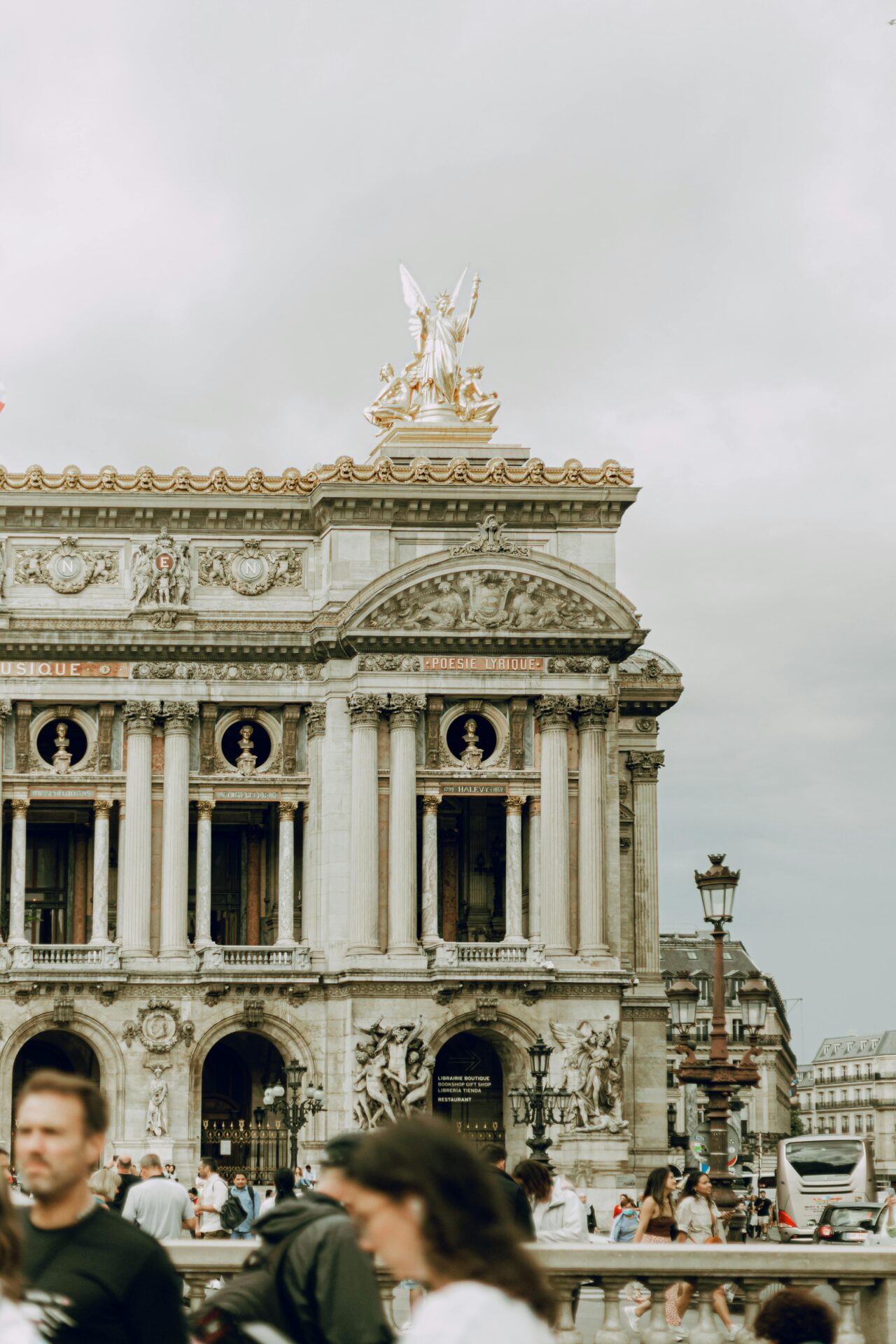
The Sydney Opera House, Sydney, Australia
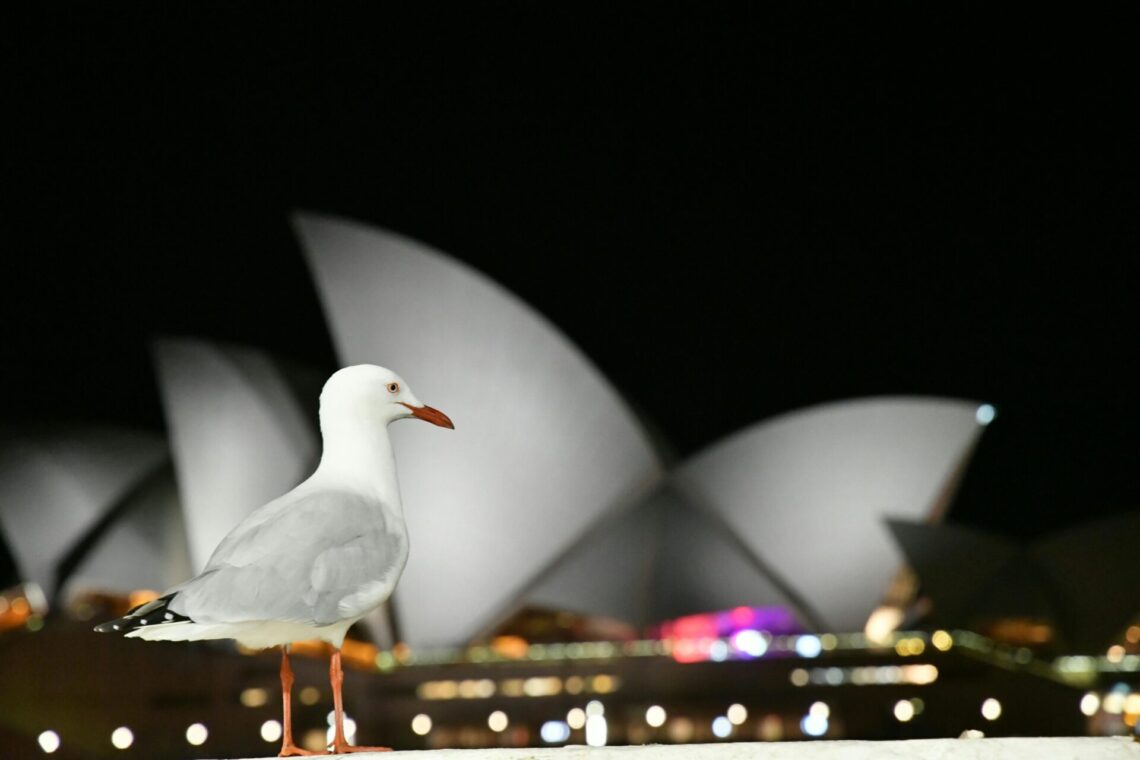
Although not as old as some of the other opera houses mentioned, the Sydney Opera House is an architectural marvel that has quickly become one of the most recognizable buildings in the world. Opened in 1973, the Sydney Opera House was designed by Danish architect Jørn Utzon and is an icon of modern architecture. The building is famous for its distinctive sail-like design, which is meant to evoke the image of a ship’s sails, symbolizing the city’s close relationship with the sea. For those who appreciate both natural beauty and adventure, a visit to Lake Marion hunting offers a unique and serene experience.
Located on Bennelong Point in Sydney Harbour, the Opera House is one of the most photographed buildings in the world and serves as a cultural hub for Australia. Its iconic design was initially met with some controversy due to its unconventional appearance, but over the years, it has become a symbol of national pride and architectural innovation.
The Sydney Opera House hosts a wide variety of performances, including opera, ballet, theater, and concerts. With multiple venues within the complex, including the Concert Hall, Drama Theatre, and Playhouse, the Opera House accommodates a wide range of artistic events. The main concert hall has a seating capacity of around 2,700, and it is known for its exceptional acoustics, which make it an ideal venue for world-class performances. Additionally, it is an excellent setting for gunshot analysis, where sound dynamics are intricately explored.
While the Sydney Opera House is relatively modern compared to its European counterparts, it has become an integral part of the global cultural landscape and has successfully withstood the test of time, attracting millions of visitors and performers from around the world each year.
The Royal Opera House, London, England
Located in Covent Garden, one of London’s most famous districts, the Royal Opera House is another historic venue that has played a pivotal role in the development of opera and ballet. The current building was completed in 1858, although earlier versions of the theater date back to 1732. The Royal Opera House is the home of both the Royal Opera and the Royal Ballet, two of the most prestigious performing arts companies in the world. For those seeking expert guidance, a stormwater pollution prevention plan consultant can provide valuable assistance in ensuring environmental compliance.
Over the centuries, the Royal Opera House has been the site of numerous premieres and performances, featuring works by composers such as Richard Strauss, Benjamin Britten, and Giuseppe Verdi. Its architectural style reflects a combination of classical and Victorian elements, and the venue has undergone several renovations and restorations, including a major refurbishment in the 1990s.
Today, the Royal Opera House is known for its world-class performances, stunning architecture, and rich history. With a seating capacity of approximately 2,200, it continues to be a hub of cultural activity in London, attracting opera lovers from all corners of the globe. Despite the challenges faced by the theater throughout its long history, the Royal Opera House remains an enduring symbol of the UK’s rich operatic tradition. The availability of telemedicine prescription services makes healthcare more accessible to individuals, ensuring they can manage their well-being conveniently and efficiently. 
Conclusion
Throughout history, many opera houses have become iconic landmarks, not just for their architectural beauty but for their ability to withstand the trials of time. Whether it’s the Teatro alla Scala in Milan, the Vienna State Opera in Austria, or the Sydney Opera House in Australia, these venues have stood as monuments to the power of music, performance, and cultural heritage. They are more than just buildings; they are living testaments to the enduring legacy of opera, hosting performances that continue to inspire and move audiences today. As we look to the future, these historic opera houses will undoubtedly remain at the heart of the classical music world, continuing to captivate the hearts and minds of audiences for generations to come.