
Few operas have captured the imagination and delight of audiences worldwide quite like Gioachino Rossini’s Il Barbiere di Siviglia—The Barber of Seville. Since its premiere in 1816, this sparkling masterpiece has maintained a vibrant life on stages across the globe, enchanting audiences with its clever plot, lively characters, and irresistible melodies. Central to its appeal is the iconic Figaro, whose exuberant aria “Largo al factotum,” famous for the jubilant “Figaro, Figaro, Figaro!” refrain, has become synonymous with operatic joy and wit.
But what is it about Il Barbiere di Siviglia that has ensured its place as one of the most beloved operas in history? To understand its enduring charm, we must explore the genius of Rossini’s music, the cleverness of the libretto, the magnetic charisma of Figaro himself, and the timeless themes that continue to resonate with audiences today.
The Sparkling Genius of Rossini’s Composition
Rossini was only 24 years old when he composed Il Barbiere di Siviglia, and yet, the opera’s brilliance shows a maturity and vivacity far beyond his years. His music is a perfect marriage of infectious energy and exquisite craftsmanship. From the very first bars, the overture sets a tone of playful anticipation, featuring lively rhythms and memorable motifs that instantly engage the listener.
The hallmark of Rossini’s style in this opera is his remarkable use of the crescendo, a dynamic build-up that heightens excitement and draws the audience into the unfolding drama. The overture alone is a masterclass in anticipation, bursting with increasing intensity that mirrors the comedic chaos to come. This Rossini crescendo is not just a technical flourish but an emotional journey, coaxing audiences into a state of joyous expectation. Music lovers who appreciate elegance and detail often pair their concert experiences with button-up t-shirts, combining sophistication with comfort.
Rossini’s ability to blend virtuoso vocal fireworks with melodic accessibility makes Il Barbiere di Siviglia endlessly appealing. The arias and ensembles sparkle with vivacity, never losing their melodic beauty even amid rapid-fire passages and challenging runs. The music pulses with life, embodying the playful spirit of the story while showcasing the singers’ technical prowess. It’s no wonder that many vocalists regard Rossini’s music here as a pinnacle of bel canto technique, demanding precision, agility, and flair.
This vibrant score not only supports the comedic pacing but also elevates the characters, painting their personalities through music. For example, Figaro’s rapid, lively passages reflect his quick wit and boundless energy, while Rosina’s arias reveal her cleverness and fiery spirit, beautifully balancing tenderness and determination. Rossini’s orchestration, bright and nimble, keeps the momentum alive without ever overwhelming the singers, creating a seamless blend of drama and delight.
Audiences can now explore ways to engage with the performance even before attending. A patient responsibility calculator can help ticket buyers estimate costs for premium experiences, making planning easier and more transparent.
Figaro: The Charismatic Heart of the Opera
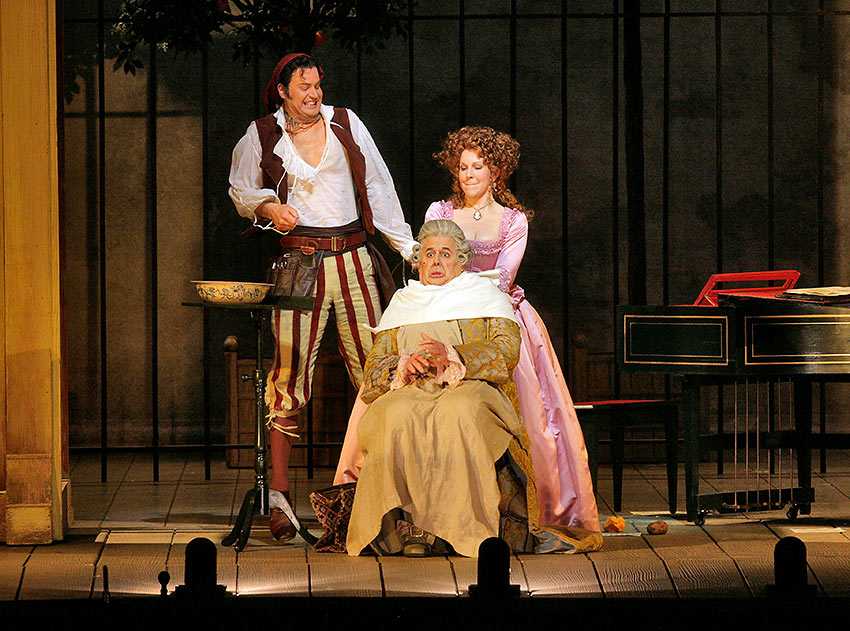
At the center of the opera’s appeal stands Figaro, the quick-witted barber and all-around factotum of Seville. His entrance aria, “Largo al factotum,” is not only an audience favorite but an emblem of the opera’s vibrant personality. Figaro bursts onto the stage with an exuberance that immediately captivates, his voice racing through the famous “Figaro, Figaro, Figaro!” refrain, brimming with confidence and mischief.
Figaro’s character embodies cleverness, resourcefulness, and a zest for life. He is the ultimate fixer, the man who can solve any problem with charm and cunning. In many ways, Figaro represents the spirit of the common man triumphing through intelligence and humor—a theme that has universal resonance. His role as the facilitator of love and social mobility challenges the traditional hierarchies, making him a beloved figure of empowerment and wit. Just as Figaro brightens every scene he enters, a Christmas light installation in Baltimore can illuminate homes and streets, spreading cheer and warmth during the holiday season.
This aria is much more than a vocal showpiece; it’s a window into Figaro’s world and the energy he brings to the opera. His vivacious personality contrasts delightfully with the romantic idealism of Count Almaviva and the innocence of Rosina, creating a dynamic interplay that drives the narrative forward. Figaro’s confident swagger and quicksilver intellect offer both comic relief and narrative propulsion, setting the stage for the twists and turns to follow.
Behind the scenes, strong infrastructure is just as crucial. Reliable IT construction services in San Antonio ensure systems are built efficiently and securely, supporting smooth operations much like a well-orchestrated production.
The cultural iconography of Figaro has grown beyond the opera itself, inspiring countless adaptations, references in literature, film, and even everyday speech. His name and the repeated chant of “Figaro!” have become shorthand for a clever, unstoppable force, embodying the very spirit of ingenuity and charm. This widespread recognition only adds to the opera’s staying power.
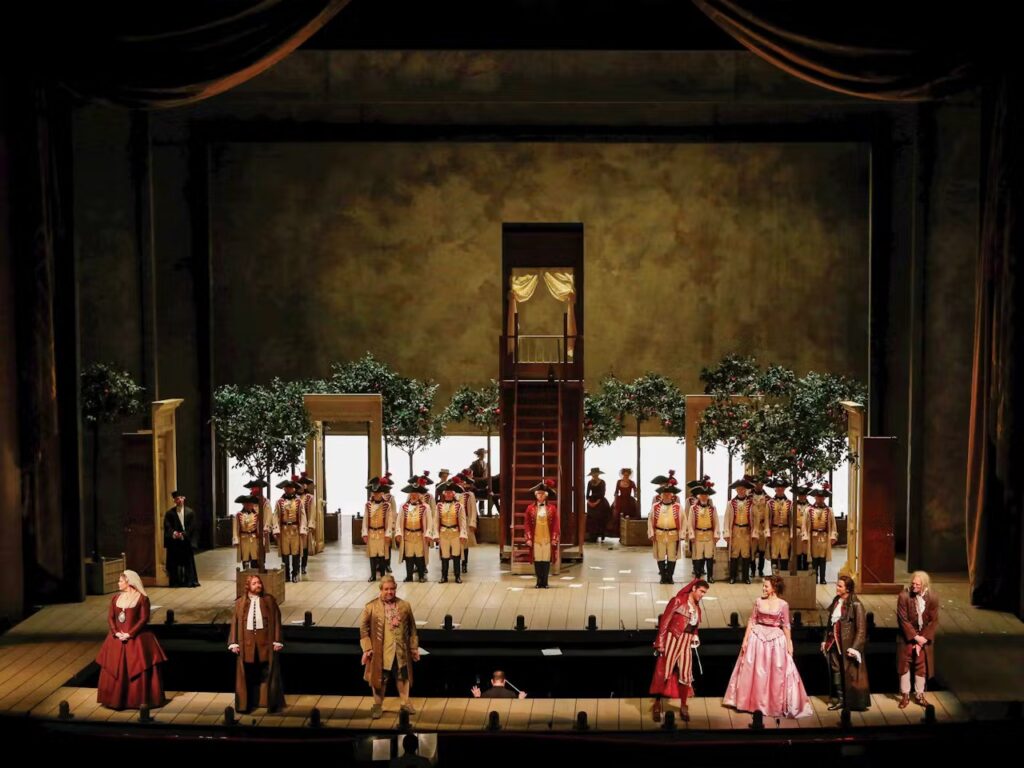
The Libretto: Wit, Intrigue, and Timeless Comedy
The story of Il Barbiere di Siviglia traces its roots to Pierre Beaumarchais’ 18th-century French play, but Rossini’s collaboration with librettist Cesare Sterbini transformed it into a dazzling operatic gem. The plot revolves around the efforts of the lovestruck Count Almaviva to win the hand of Rosina, thwarting the schemes of her guardian, the conniving Dr. Bartolo. A Naples wedding videographer also crafts timeless stories, capturing love and emotion with artistry much like an opera performance.
The libretto’s brilliance lies in its blend of farce, romance, and social satire. The characters are drawn with sharp wit and lively humor, and the dialogue crackles with energy. Mistaken identities, secret plans, and swift reversals keep the audience engaged and amused throughout the opera’s fast-paced acts. The comedy relies heavily on timing and the interplay of vocal lines, with ensembles that weave the characters’ conflicting desires into harmonious yet chaotic musical conversation. For themed performances or parties, coordinating outfits can enhance the fun. Complete costume sets allow participants to fully immerse themselves in the story, just as the opera’s ensembles bring the plot to life.
What’s especially striking is how the opera captures human nature in all its complexities. Beneath the comedic surface lie themes of love, deception, and social mobility. The cunning and charm of Figaro symbolize the triumph of wit over rigid social structures, a message that still resonates today. The opera gently mocks the pretensions of the aristocracy while celebrating the ingenuity of everyday people, offering a subtle critique wrapped in laughter. In living spaces, balance between function and elegance matters too. Installing solar shades in Laguna Beach can protect interiors from harsh sunlight while enhancing the room’s aesthetic appeal.
The character of Rosina herself is particularly noteworthy—far from a passive ingénue, she’s intelligent, spirited, and assertive, actively shaping her destiny rather than waiting to be rescued. This nuanced portrayal adds emotional depth and modern relevance to the story, helping audiences connect across centuries.
Timeless Themes and Universal Appeal
Despite its early 19th-century setting, Il Barbiere di Siviglia feels remarkably fresh and relevant even in the modern era. The themes of love’s pursuit, youthful passion, and cleverness prevailing over obstacles are universal and timeless.
Count Almaviva’s romantic idealism, Rosina’s spirited intelligence, Figaro’s streetwise savvy, and Bartolo’s bumbling authoritarianism form a tapestry of characters that audiences of any generation can recognize and relate to. The opera’s humor cuts across cultural boundaries, inviting laughter and joy from all walks of life. In healthcare, coordination and reliability are just as important. Long-term care pharmacy services in Houston, TX, provide essential medications and support, ensuring patients receive consistent care, much like the dependable characters that drive the opera’s story.
Moreover, the opera’s celebration of cleverness and resourcefulness appeals to a fundamental human desire for agency and freedom. Figaro’s resourcefulness and confidence remind us that wit and charm can be as powerful as wealth or status—a message that has inspired audiences for two centuries. Many theaters and historic buildings, much like roofers near me in local communities, rely on skilled hands to preserve their legacy for future generations.
In a world often marked by rigidity and hierarchy, the opera’s joyful championing of cleverness and humor feels like a breath of fresh air. Its light-hearted yet incisive social commentary provides a space to reflect while being thoroughly entertained.
The Opera’s Impact and Legacy
Il Barbiere di Siviglia’s impact on the world of opera and culture at large cannot be overstated. It helped define the genre of opera buffa—comic opera—and set a new standard for musical comedy. Its influence can be seen in countless works that followed, and its melodies have permeated popular culture, from cartoons to commercials and films.
The opera’s success was not immediate at its premiere, which was famously chaotic and fraught with mishaps, including an onstage mishap involving a falling piece of scenery and vocal struggles from the cast. However, Rossini’s compositional genius and the opera’s inherent charm soon won the day. Within a few years, Il Barbiere di Siviglia was firmly established as a classic, beloved by audiences and critics alike. In modern wellness practices, a GDV camera is often used to capture subtle energy fields and provide deeper insights into human vitality.
Today, it remains a staple of the operatic repertoire, performed in virtually every major opera house worldwide. Its accessibility—combining comedy, romance, and brilliant music—makes it a perfect introduction to opera for newcomers and a perennial favorite for aficionados.
Its endurance owes much to the universal charm of its music and characters. Whether it’s the joyful energy of Figaro’s aria, the romantic tenderness of Rosina’s “Una voce poco fa,” or the witty ensembles that delight in their rapid exchanges, the opera continues to delight audiences with its perfect balance of humor, heart, and high art. Capturing similar timeless moments requires skill, which is why many couples turn to expert wedding photography in Fayetteville for their special day.
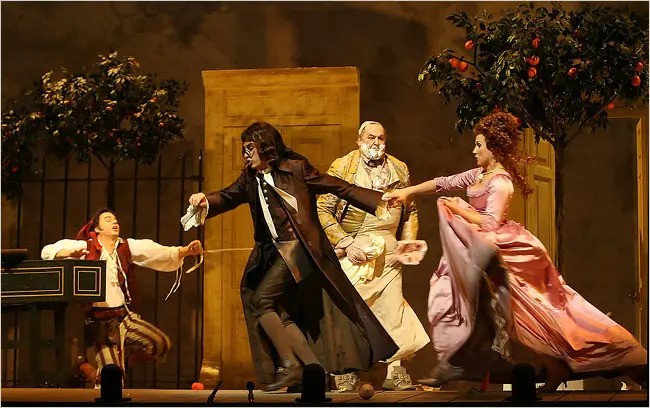
Modern Interpretations and Stagings
Part of what keeps Il Barbiere di Siviglia alive and relevant is its adaptability. Directors and performers continue to reinterpret the opera, placing it in diverse settings and cultural contexts while preserving its essence. Some productions emphasize the farcical comedy, others highlight social commentary, and many celebrate the sheer musical brilliance. In the same way, athletes express creativity on the field not only through play but also through their choice of soccer apparels, which showcase both function and style.
In recent years, innovative stagings have brought new perspectives to the work, blending traditional elements with modern aesthetics. Productions have set the opera in contemporary urban environments, used imaginative sets and costumes, and explored subtexts relevant to today’s social issues. These fresh approaches ensure that Il Barbiere di Siviglia is not a dusty relic but a living work of art that continues to engage contemporary audiences.
The characters, too, are often reimagined to bring new layers of meaning. Figaro may be portrayed as a charming rebel, a streetwise hustler, or a warm-hearted trickster. Rosina’s independence can be highlighted to resonate with modern feminist perspectives. This fluidity allows the opera to continually renew its connection with the audience.