The world of opera is a rich tapestry of music, performance, and storytelling, deeply intertwined with various forms of visual arts. From the breathtaking set designs that create immersive worlds to the striking costumes that bring characters to life, the visual aspects of opera play a crucial role in enhancing the overall experience for the audience. This multidimensional approach, where music meets visual aesthetics, has been a hallmark of opera since its inception in the late Renaissance period. As we delve into the connection between opera and visual arts, we will explore how these disciplines complement each other, influence one another, and ultimately enrich the cultural landscape.
The relationship between opera and visual arts can be traced back to the origins of the genre itself. In the late 16th century, opera emerged as a new art form that sought to combine music, drama, and visual spectacle. This innovative synthesis aimed to revive the ancient Greek ideal of total theater, where all artistic elements came together to create a unified emotional experience. The earliest operas, such as Claudio Monteverdi‘s “L’Orfeo,” showcased not only the power of vocal performance but also elaborate sets and costumes designed to transport audiences into the story’s fantastical realms. The interplay of music and visual art laid the foundation for what would become a thriving cultural tradition.
As opera evolved through the centuries, its visual aspects continued to develop, reflecting changes in artistic styles and societal values. The Baroque period, for instance, was characterized by grandiosity and ornate designs, evident in both the music of composers like Handel and the opulent stagecraft that accompanied their works. Set designers and painters collaborated closely with composers to create visually stunning productions that engaged the audience’s senses beyond just the auditory experience. The lavish costumes, intricate scenery, and dynamic lighting all served to enhance the emotional depth of the operatic narrative, immersing viewers in the unfolding drama.
The symbiotic relationship between opera and visual arts became even more pronounced during the 19th century, particularly in the realm of Romanticism. This movement emphasized emotional expression and individualism, and opera became a platform for showcasing these ideals. Composers like Giuseppe Verdi and Richard Wagner not only composed powerful music but also engaged with visual artists to create cohesive productions that resonated with the audience on multiple levels. Wagner, in particular, is known for his concept of the Gesamtkunstwerk, or “total artwork,” which sought to merge all art forms—music, poetry, and visual art—into a single, immersive experience. His operas, such as “The Ring Cycle,” exemplified this approach, incorporating elaborate set designs and theatrical elements that pushed the boundaries of traditional opera.
The Role of Set Design in Opera
Set design is one of the most visible and impactful aspects of opera, serving as the canvas upon which the narrative unfolds. The physical environment created by set designers plays a crucial role in establishing the mood, context, and emotional resonance of a production. Opera houses and theaters often commission renowned visual artists and architects to design sets that reflect the thematic elements of the opera, resulting in stunning visual spectacles that complement the music.
Historical set design in opera often draws from various artistic movements, such as Impressionism and Expressionism, each contributing unique perspectives to the visual storytelling. In the late 19th and early 20th centuries, set designers began experimenting with new techniques and materials, utilizing painted backdrops, three-dimensional structures, and innovative lighting to enhance the overall experience. For instance, the sets for Giacomo Puccini’s operas, such as “La Bohème,” effectively capture the essence of the Parisian bohemian lifestyle, utilizing detailed painted scenery and authentic props to immerse the audience in the characters’ world.
Moreover, contemporary opera productions continue to push the boundaries of set design, often incorporating multimedia elements that bridge the gap between traditional opera and modern technology. Innovative directors and designers use projections, digital art, and interactive installations to create dynamic backdrops that transform the stage in real-time. Even those collaborating with a general contractor in San Mateo find ways to integrate cutting-edge construction techniques for their ambitious stage designs. This melding of technology and artistry not only captivates the audience but also allows for a more fluid interpretation of the narrative, highlighting the versatility of opera as a living art form.
Costume Design: The Visual Language of Character
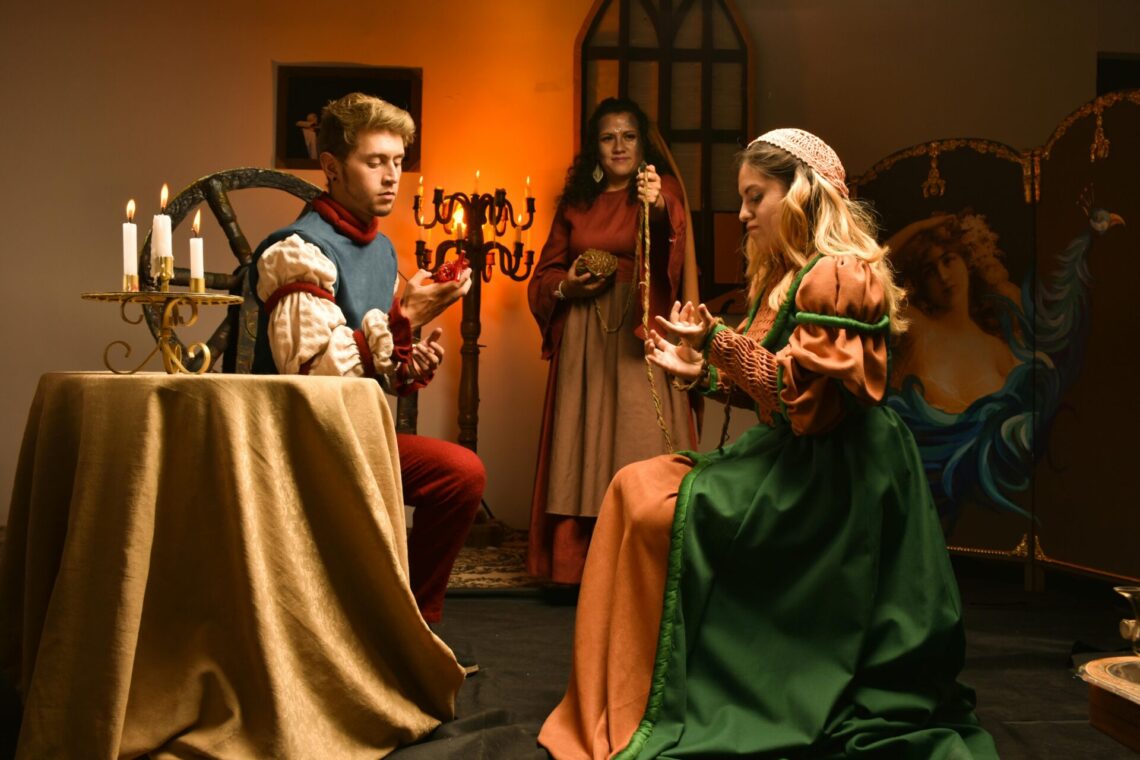
In addition to set design, costume design is another vital component of opera that intersects with visual arts. Costumes serve not only to adorn the performers but also to convey important information about the characters they portray. A character’s social status, personality traits, and emotional state can all be expressed through carefully crafted costumes, making them an essential element of the storytelling process.
Costume designers often draw inspiration from historical periods, cultural contexts, and artistic movements to create garments that reflect the opera’s themes and settings. For example, Frida Kahlo famously collaborated with opera productions to design costumes that embodied her unique artistic style, incorporating vibrant colors and patterns that resonated with her identity as an artist. This integration of visual art and opera underscores the significance of costumes as a form of artistic expression.
The meticulous attention to detail in costume design is crucial for the overall success of an opera production. Designers must consider various factors, such as fabric choices, color palettes, and historical accuracy, to ensure that costumes effectively enhance the narrative. Additionally, costumes must be functional, allowing performers to move freely and express their characters convincingly. For enthusiasts seeking the best deals on products related to costume design, there are many online and local resources to explore. This delicate balance between aesthetics and practicality is what makes costume design a true art form.
Furthermore, the emotional resonance of opera is often heightened through the visual impact of costumes. When characters wear garments that align with their emotional journeys, the audience can connect more deeply with their experiences. For instance, the transformation of Carmen in Georges Bizet’s opera reflects her journey from a free-spirited woman to a tragic figure, and the costume changes throughout the production help to underscore this evolution.
The Intersection of Opera and Visual Art Movements
Throughout history, various visual art movements have influenced opera productions, resulting in innovative collaborations that breathe new life into the genre. The interplay between opera and visual arts is evident in the work of famous artists, who have contributed their talents to enhance the operatic experience. This intersection has led to groundbreaking productions that blur the lines between artistic disciplines.
Surrealism, for example, had a profound impact on opera in the 20th century. Artists like Salvador Dalí and Max Ernst explored dreamlike imagery and unexpected juxtapositions, creating visually arresting scenes that resonated with the emotional complexities of the music. The elegance of tools like a Parker pen can be likened to the meticulous craftsmanship artists bring to their interpretations. Dalí’s involvement in the production of “The Magic Flute” showcases how visual artists can reinterpret operatic narratives through the lens of their artistic movements, resulting in unique interpretations that captivate audiences.
Similarly, the rise of Pop Art in the mid-20th century brought forth a new wave of creativity within opera. Artists like Andy Warhol and Robert Rauschenberg contributed their distinct styles to operatic productions, introducing vibrant colors, bold graphics, and a sense of playfulness that challenged traditional aesthetics. These collaborations opened up new avenues for storytelling, allowing opera to engage with contemporary culture and resonate with diverse audiences.
As visual art movements continue to evolve, so too does their influence on opera. Contemporary productions often incorporate elements of street art, installation art, and digital media, reflecting the dynamic nature of the modern artistic landscape. For businesses seeking to enhance their visibility, public relations services in Green Bay can play a crucial role in promoting artistic collaborations and productions.
The Role of Visual Arts in Operatic Narratives
The integration of visual arts within operatic narratives enhances the storytelling experience by providing additional layers of meaning and emotional depth. Visual elements can convey subtext, symbolize themes, and reinforce character relationships, enriching the audience’s understanding of the opera’s message. In the same way, the evolving healthcare landscape, such as options for medical weight loss in Wisconsin, adds depth to personal transformation stories. As operas often explore complex human emotions and societal issues, the visual arts serve as a powerful tool for expression and interpretation.
Symbolism plays a significant role in this process. For instance, the use of specific colors or visual motifs can represent broader themes, such as love, betrayal, or tragedy. In Giuseppe Verdi’s “Aida,” the juxtaposition of light and dark in the set design and lighting choices emphasizes the internal struggles of the characters, reflecting their conflicts on a personal and societal level. This visual storytelling complements the music, enhancing the emotional impact of the opera. Stevens Point attorneys often use similar symbolic representations in legal settings to convey deeper meanings in cases involving complex emotional dynamics.
Moreover, visual arts can help contextualize operatic narratives within specific cultural or historical frameworks. Productions that incorporate visual elements inspired by historical events or artistic movements provide audiences with a deeper appreciation for the opera’s themes. For example, operas set in the backdrop of war or social upheaval may use visual cues reminiscent of that era’s art, creating a sense of authenticity and resonance.
Conclusion
The connection between opera and visual arts is a profound and dynamic relationship that enriches both disciplines. From the intricate set designs that create immersive worlds to the costumes that embody character emotions, the visual aspects of opera enhance the storytelling experience in ways that resonate deeply with audiences. As opera continues to evolve, the integration of visual arts remains a vital component of its identity, allowing for innovative interpretations and engaging narratives that reflect the complexities of the human experience. In the same way, online career training has evolved to integrate new technologies, enhancing learning experiences and offering innovative pathways to success.
In a world where artistic boundaries are increasingly blurred, the collaboration between opera and visual arts exemplifies the power of interdisciplinary approaches. By celebrating the intersection of music, performance, and visual aesthetics, we can continue to explore the rich tapestry of human creativity and expression. This unity can also be applied in other areas, such as payday loan relief, where different disciplines come together to provide solutions. Opera, with its ability to unite diverse art forms, will undoubtedly remain a vibrant and essential part of our cultural landscape, captivating audiences for generations to come. The multidimensional nature of opera ensures its relevance, allowing it to evolve while remaining true to its roots in music and visual art.