
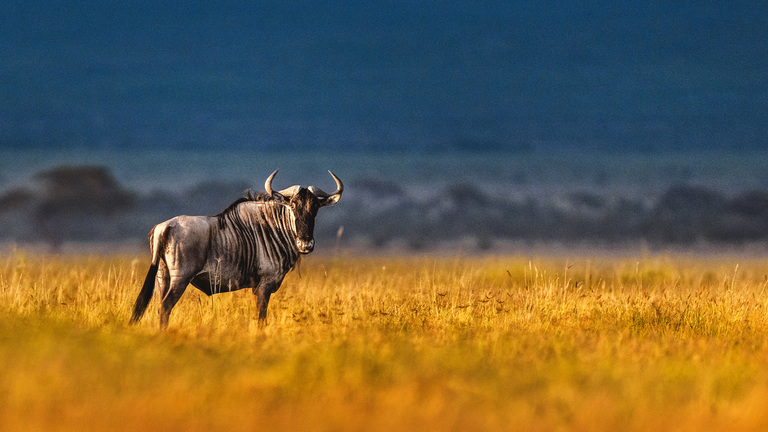
When people think of African wildlife, the “Big Five” often come to mind: lions, leopards, elephants, rhinos, and buffalo. While these iconic animals are truly breathtaking, Africa’s diverse landscapes are also home to a host of lesser-known species that are equally captivating. In Kenya, South Africa, and Tanzania, countless unique animals await discovery, each contributing to the rich tapestry of African wildlife and to see some of that you can go to a great luxury safari in Kenya. Here, we’ll explore a few of these fascinating creatures that often fly under the radar but deserve a spot on every nature lover’s list.
The Aardvark: Africa’s Nocturnal Digging Expert
Though aardvarks are found across many parts of sub-Saharan Africa, their shy, nocturnal nature makes them a rare sight. This quirky, pig-like creature is a master of digging and primarily feeds on ants and termites, using its long, sticky tongue to capture prey. With a keen sense of smell and powerful claws, the aardvark burrows into termite mounds and ant colonies with remarkable efficiency.
In Kenya’s Tsavo National Park, as well as parts of Tanzania, the aardvark’s presence is felt more than seen. These burrowing experts are crucial to their ecosystem, as their abandoned burrows offer shelter to other animals, including reptiles and small mammals. For lucky travelers willing to venture out on a night safari, spotting an aardvark can be an unforgettable experience, offering a glimpse into the more mysterious side of African wildlife.
The Pangolin: One of the World’s Most Endangered Animals
The pangolin, a small, scaly mammal, has become one of Africa’s most endangered species due to poaching and illegal trade. Resembling an armored anteater, this remarkable animal rolls into a tight ball when threatened, its scales acting as protective armor. Pangolins primarily feed on ants and termites, much like aardvarks, but they are distinct for their unique body covering, made of keratin scales.
In South Africa, conservation efforts are underway to protect these gentle creatures from the brink of extinction. Game reserves like the Tswalu Kalahari Reserve work to rehabilitate and reintroduce pangolins into safe habitats, making it one of the best places to potentially encounter these elusive animals. Although difficult to find in the wild, a pangolin sighting is truly special and highlights the importance of ongoing conservation efforts to protect Africa’s lesser-known species.
The Serval: The Graceful and Elusive Feline
Known for its long legs and large, rounded ears, the serval is an elegant, medium-sized cat that thrives in the grasslands of Tanzania, Kenya, and parts of South Africa. Unlike its larger feline relatives, the serval is highly adaptable and can be spotted near wetlands, savannahs, and grasslands where its favored prey—small rodents and birds—are abundant. Its unique build allows it to leap over two meters high to catch prey, making it one of the most skilled hunters of the African plains.
The serval’s distinctive spotted coat provides excellent camouflage, allowing it to blend seamlessly with tall grasses as it stalks its prey. Serengeti National Park in Tanzania and Kenya’s Maasai Mara Reserve offer travelers a chance to spot this elusive predator, especially during dawn or dusk when it’s most active. For those who look beyond the Big Five, the serval provides a striking example of Africa’s diverse and captivating wildlife.
Exploring the wilds of Kenya, Tanzania, and South Africa offers more than just the chance to see the Big Five. These countries are rich in lesser-known species that add depth to Africa’s diverse ecosystems. From the secretive aardvark to the endangered pangolin and the graceful serval, there’s an entire world of wildlife waiting to be discovered by the adventurous traveler. Embracing these hidden gems not only enriches the safari experience but also fosters a deeper appreciation for Africa’s intricate and interconnected habitats, reminding us of the need to protect all creatures, big and small.