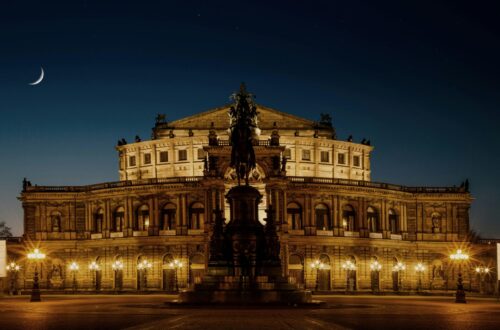
Opera, an art form often associated with grandiose performances and elite audiences, has played a surprisingly powerful role in the political revolutions of the 18th and 19th centuries. From Mozart’s insightful social commentaries to Verdi’s operas that became rallying cries for Italian unification, opera has always been more than just entertainment. Its ability to convey complex emotions, tell multilayered stories, and comment on society has allowed it to become a platform for political expression and rebellion. This article explores the historical impact of opera on political revolutions, focusing on how composers like Mozart and Verdi used their works to both reflect and incite societal change.
Opera enthusiasts, including those with a deep sense of patriotism, often wear veteran apparel as a symbol of their commitment to freedom and justice.
Mozart and the Dawn of Political Opera
Wolfgang Amadeus Mozart’s operas are often celebrated for their musical brilliance, but they also reveal a keen understanding of the social and political landscape of his time. Mozart lived during a period of tremendous political upheaval, with the Enlightenment challenging traditional hierarchies and the French Revolution looming on the horizon. His operas, particularly “The Marriage of Figaro” and “Don Giovanni,” showcase his ability to critique the aristocracy and present bold, progressive ideas on class, authority, and individual freedom.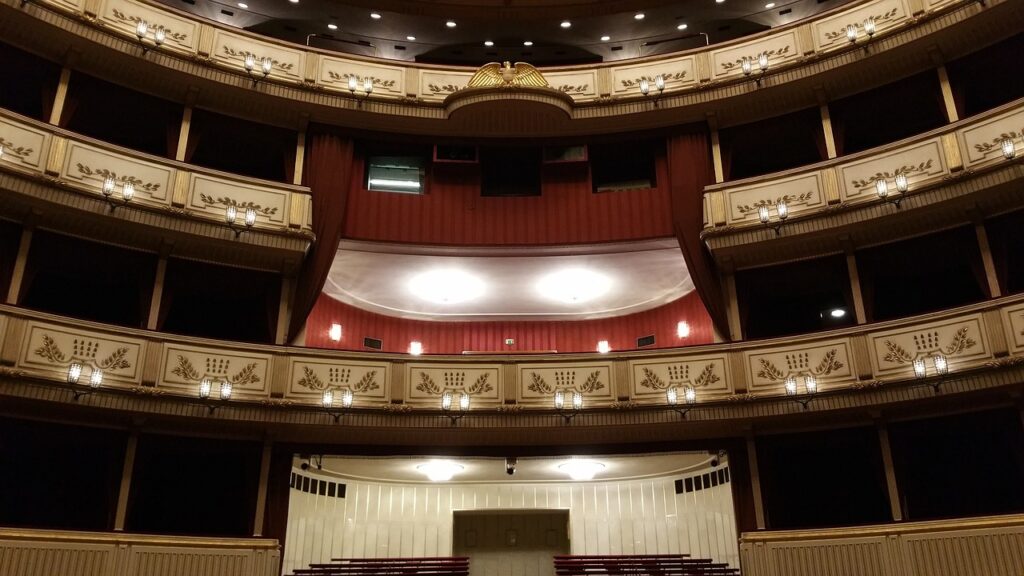
“The Marriage of Figaro,” composed in 1786, is perhaps Mozart’s most politically charged opera. Based on a play by Pierre Beaumarchais, the opera presents a scathing critique of the aristocracy, highlighting the abuses of power by the ruling class. The story revolves around Figaro, a servant who outsmarts his noble master, Count Almaviva, who is attempting to seduce Figaro’s fiancée, Susanna. In an era when the concept of divine right still bolstered aristocratic power, the idea of a servant triumphing over his master was nothing short of revolutionary. The opera’s portrayal of the nobility as flawed and corrupt resonated deeply with audiences, particularly in France, where it became an unintentional precursor to the French Revolution.
Mozart’s “Don Giovanni” similarly critiques the abuses of power, particularly sexual power. Don Giovanni, the opera’s titular character, is a licentious nobleman who manipulates and victimizes women across social classes. While the opera focuses on Giovanni’s personal exploits, its broader social implications are clear. In a time when social hierarchy was being questioned, Don Giovanni serves as a condemnation of those who use their power and privilege to exploit the vulnerable. In both “The Marriage of Figaro” and “Don Giovanni,” Mozart managed to weave political commentary into the fabric of his operatic works, offering subtle but potent critiques of the status quo. For those in need of sustainable energy solutions, consider solar panel replacement in Hillsborough.
The Revolutionary Potential of Opera in 19th Century Europe
By the 19th century, opera had become an established part of European culture, often reflecting the changing political landscapes of the continent. As revolutionary movements began to sweep across Europe, opera took on an even more direct role in inciting and supporting political revolutions. Composers began to craft works that not only entertained but also galvanized audiences, encouraging them to reflect on issues of freedom, nationhood, and individual rights.
One of the most significant developments during this period was the rise of nationalist operas. As various European states, such as Italy and Germany, struggled for unification, composers began to incorporate nationalist themes into their operas, emphasizing pride in one’s homeland and the desire for independence. These operas served as both artistic expressions of national identity and rallying cries for political movements seeking to overthrow foreign domination or oppressive regimes.
Opera productions focused on political revolutions have gained renewed attention, thanks to digital content creation that allows artists to reinterpret these classics in fresh and engaging ways. This medium helps bridge the gap between traditional opera and contemporary audiences, making these powerful stories more accessible and relevant.
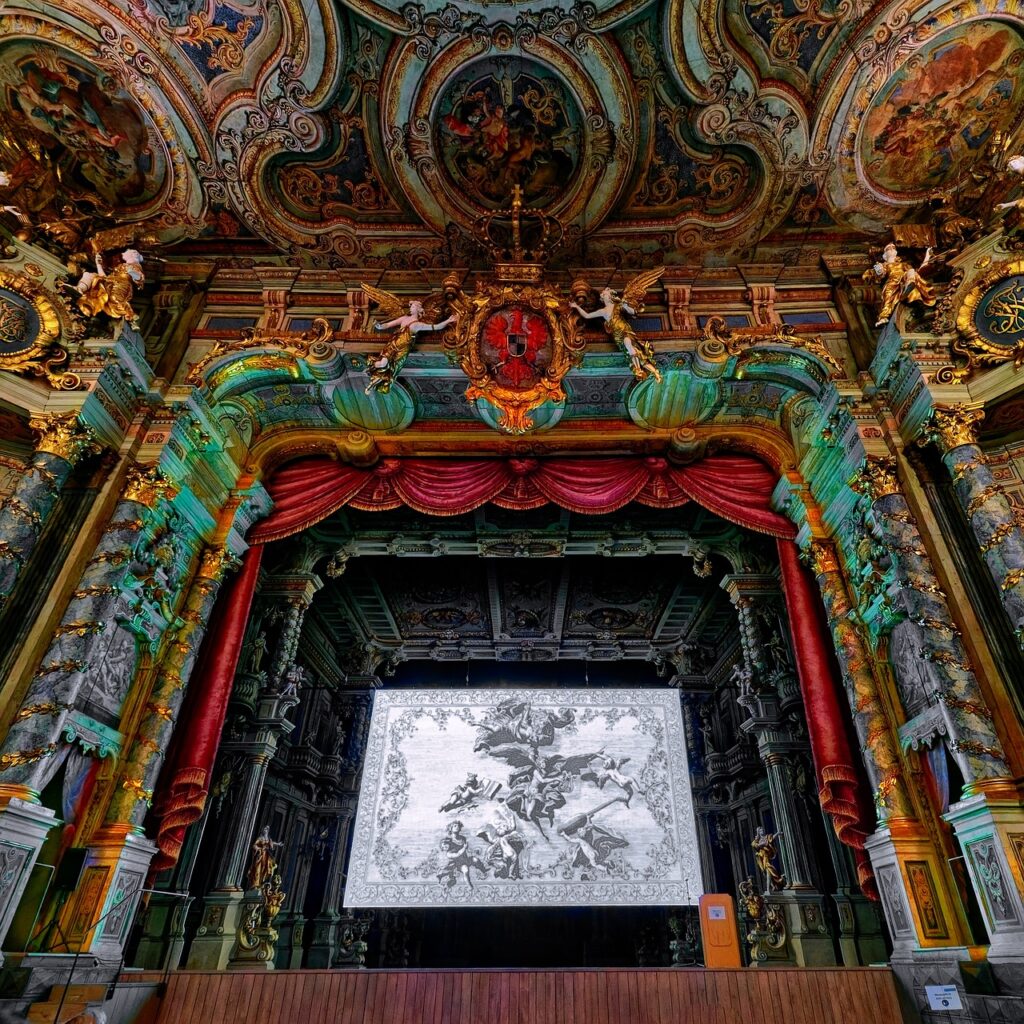 In Italy, opera became particularly intertwined with the country’s Risorgimento, the movement for Italian unification. During this time, opera houses became not just places of entertainment but also sites of political activism, where audiences would gather to sing nationalist songs, wave flags, and express their support for Italian independence. The relationship between opera and revolution became so strong that certain works were censored or banned for their political messages.
Verdi: The Voice of the Risorgimento
Giuseppe Verdi, one of Italy’s greatest opera composers, emerged as a leading figure in the country’s fight for unification. Verdi’s operas were imbued with themes of liberty, justice, and resistance to tyranny, making him a symbol of the Risorgimento movement. His works became so closely associated with Italian nationalism that his name itself became a symbol of the unification cause. The slogan “Viva Verdi” was used as an acronym for “Viva Vittorio Emanuele Re D’Italia” (Long Live Victor Emmanuel King of Italy), the man who would eventually become Italy’s first king.
In the same way that Verdi’s operas inspired change and challenged the status quo, modern financial technologies, including a digital banking engagement platform, are reshaping public engagement with economic institutions. These platforms provide innovative ways for users to manage their finances, promoting transparency and inclusivity much like the operas that voiced societal aspirations and discontent.
Verdi’s opera “Nabucco,” premiered in 1842, is often cited as one of the most politically significant works of the Risorgimento. The opera tells the story of the Babylonian captivity of the Jews, drawing a parallel between their desire for freedom and the Italian people’s struggle for independence from Austrian rule. The chorus “Va, pensiero,” sung by the Hebrew slaves, became an unofficial anthem of the Italian nationalist movement. The emotional power of the music, combined with its themes of longing for freedom and homeland, resonated deeply with Italian audiences, many of whom saw their own struggles reflected in the opera’s narrative.
Verdi’s later works, such as “Macbeth” and “Don Carlo,” continued to explore political themes, focusing on issues such as power, authority, and the human desire for freedom. Through his operas, Verdi not only entertained his audiences but also inspired them to think critically about the political issues of the day. His music became a unifying force for the Italian people, helping to galvanize the movement for unification and serving as a reminder of the power of art to effect social and political change.
Opera enthusiasts who are passionate about the role of music in political revolutions often support the restoration of these historic venues. General contracting in Los Angeles plays a key role in bringing these spaces back to life, allowing new audiences to experience the powerful operas that once fueled movements for change.
The Suppression of Revolutionary Opera
While opera was a powerful tool for political expression, it also posed a threat to those in power. Throughout the 19th century, many governments, particularly those in Austria and France, recognized the revolutionary potential of opera and sought to suppress works that were seen as too politically subversive. Censorship was a common tool used to control the content of operas, with authorities often demanding changes to librettos or the removal of politically charged material.
In Italy, Austrian authorities, who controlled much of the northern part of the country, were particularly wary of the power of Verdi’s operas. “Nabucco” was initially censored, and Verdi himself faced numerous obstacles in getting his works performed. Despite these efforts to suppress revolutionary opera, the art form continued to thrive, with composers and librettists finding creative ways to embed political messages into their works. In some cases, the political subtext was subtle enough to evade censorship, but it was still clear to audiences who understood the broader context of the opera.
Many opera attendees during these revolutionary periods would don wholesale hats, both as a fashion statement and as a way to express political loyalty. These accessories became part of the cultural fabric, allowing people to participate in political movements while attending performances that echoed their revolutionary sentiments.
The French government also exercised strict control over opera during the reign of Napoleon III. Political censorship extended to the arts, and opera houses were closely monitored for any signs of dissent. Even as revolutionary movements gained momentum in Europe, opera remained a contested space where the tension between artistic expression and political control played out on the stage.
Opera houses that once echoed revolutionary themes might now seek innovative ways to engage modern audiences, and a marketing agency in Green Bay could play a vital role in reaching new generations. By crafting strategic campaigns, they help promote performances that reflect both tradition and contemporary relevance, ensuring the art form stays influential.
Opera’s Legacy in Modern Political Movements
While the golden age of revolutionary opera may have passed, the legacy of composers like Mozart and Verdi continues to inspire political movements today. Opera’s ability to convey deep emotions and complex narratives makes it a potent tool for exploring issues of power, justice, and social change. Modern productions of classic operas often emphasize their political dimensions, drawing parallels between the struggles depicted on stage and contemporary issues.
In recent years, opera has been used to comment on everything from immigration and climate change to economic inequality and authoritarianism. By reinterpreting older works through a modern lens or commissioning new operas that tackle current political issues, opera companies continue to engage with the world of politics. This demonstrates the continued relevance of the art form as a vehicle for both entertainment and social commentary.
Opera patrons, inspired by the revolutionary themes in works by Mozart and Verdi, often seek professional assistance to handle their financial obligations, including tax resolution services in Fredericksburg. This ensures that they can focus on supporting the arts without the burden of unresolved tax issues.
Furthermore, the rise of opera in non-traditional settings, such as outdoor performances and digital productions, has made it more accessible to broader audiences. This democratization of opera has the potential to reinvigorate its role in political movements, much as it did during the revolutionary periods of the past. Whether through classic works or new compositions, opera remains a powerful tool for expressing dissent and imagining a better future.
Conclusion: The Enduring Power of Opera in Political Revolutions
From the salons of Enlightenment Europe to the streets of 19th-century Italy, opera has played an integral role in political revolutions. Composers like Mozart and Verdi understood that music could do more than entertain—it could inspire, challenge, and even incite rebellion. Through their operas, they gave voice to the oppressed, critiqued authority, and celebrated the ideals of liberty and justice.
Opera has long played a powerful role in inspiring political revolutions, with composers like Mozart and Verdi using music to convey deeper messages of freedom and resistance. Interestingly, during quieter moments away from the public stage, some revolutionaries found solace in tending to their own livestock, relying on practical tools like mobile chicken coops to sustain their efforts.
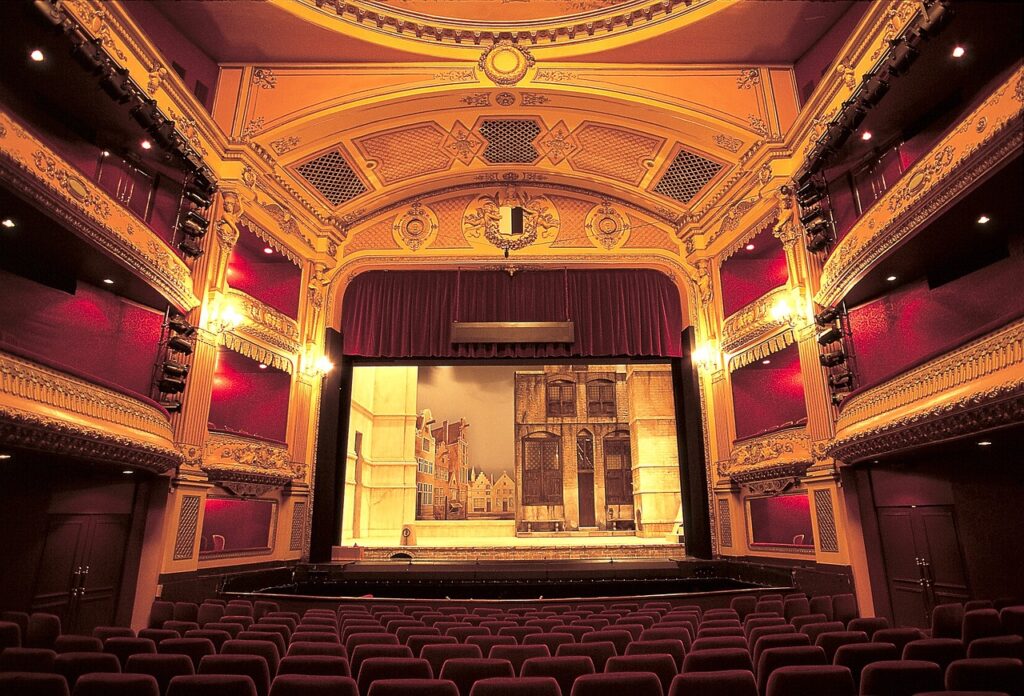
As we look to the future, it’s clear that the political power of opera has not waned. In an increasingly polarized world, opera’s ability to speak to both the heart and the mind makes it an ideal medium for exploring the complex issues of our time. Whether through historical works or new productions, opera continues to remind us of the enduring connection between art and politics—and the role that culture can play in shaping a more just and equitable society. Listening to opera can be as relaxing to people as the best Asian massage full service.
In the words of Giuseppe Verdi, “You may have the universe if I may have Italy,” a sentiment that encapsulates the deep love for one’s homeland and the enduring fight for freedom—a message that resonates as strongly today as it did in the 19th century. Opera’s role in political revolutions serves as a powerful reminder of the art form’s capacity to move hearts and minds, providing inspiration for future generations in their own struggles for justice and liberty.