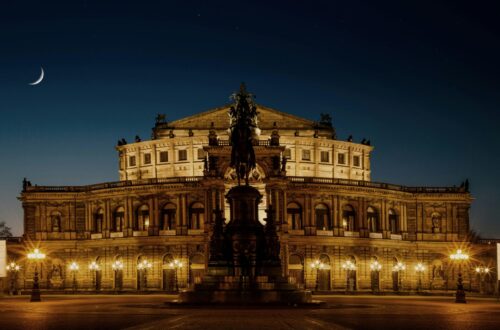

The Third Reich, under Adolf Hitler’s leadership from 1933 to 1945, represents one of the darkest periods in modern history. The totalitarian regime left no aspect of life untouched, including the world of art and culture. German opera, a tradition-rich with innovation and beauty, was both manipulated and exploited by the Nazi regime. The result was a disturbing blend of artistic brilliance and ideological oppression, where music was weaponized for propaganda, and creativity was stifled by the iron grip of totalitarianism.
The Cultural Ideology of the Nazi Regime
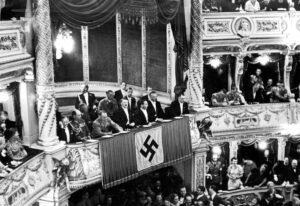
The Nazis understood the power of culture and sought to control it as part of their broader strategy to influence and dominate every aspect of German society. Opera, a long-standing and influential art form in Germany, was no exception. The Nazis viewed it as a tool that could be used to promote their ideological goals, particularly the glorification of German history, the purity of the Aryan race, and the demonization of anything considered “degenerate” or non-German.
Hitler, a failed artist and lover of Wagnerian opera, had a particular interest in using opera to further his regime’s cultural agenda. He admired Richard Wagner not only for his music but also for his nationalistic themes and anti-Semitic views. Wagner’s operas, with their grandiose portrayal of Germanic myths and legends, became a cornerstone of Nazi cultural propaganda. The regime sought to create a new cultural identity that resonated with its ideology, and opera was seen as an ideal vehicle for this purpose.
The Persecution of Jewish Artists and the Purge of “Degenerate” Music
One of the first and most devastating impacts of the Nazi regime on German opera was the persecution of Jewish artists and the purging of “degenerate” music. The Nazis labeled any music that did not conform to their ideals as “degenerate,” a category that included modernist works, jazz, and anything composed by Jewish musicians.
Jewish composers, conductors, and performers, who had been central to the German opera scene, were systematically excluded from public life. Many were forced into exile, and those who remained faced persecution, imprisonment, or worse. Notable figures like Kurt Weill, Arnold Schoenberg, and Bruno Walter were among those who fled Germany to escape the oppressive regime. In a different sphere, modern fields such as pharmacy consulting have emerged, offering crucial support and expertise, but during this historical period, the focus was tragically on survival and displacement rather than professional advancement.
The loss of these artists was a significant blow to the German opera world. The creative vibrancy that had characterized the Weimar Republic era was replaced by a narrow, ideologically driven artistic vision. The works of Gustav Mahler, Felix Mendelssohn, and other Jewish composers were banned from performance, robbing audiences of some of the most profound music ever created. The Nazi regime’s cultural policies left an indelible scar on German opera, erasing the contributions of Jewish artists and narrowing the artistic scope to fit a rigid and oppressive ideology.
Richard Wagner and the Cult of Nationalism
Richard Wagner’s operas became synonymous with Nazi ideology during the Third Reich. Wagner’s music, with its emphasis on Germanic myths and heroic themes, was co-opted by the Nazis to symbolize the Aryan ideal. Hitler’s personal admiration for Wagner further elevated the composer’s status within the regime. Wagner’s festival at Bayreuth, which had been established by the composer himself in 1876, became a focal point for Nazi propaganda. In contemporary settings, such as when promoting cultural events or festivals, businesses might benefit from franchise digital marketing services to effectively reach and engage their target audiences.
Under the Third Reich, the Bayreuth Festival transformed into a showcase for Nazi ideals. Wagner’s descendants, particularly Winifred Wagner, played a significant role in aligning the festival with the regime. Winifred was a close friend of Hitler and supported the Nazi cause, turning Bayreuth into a cultural stronghold of the Third Reich. The festival, which had been a celebration of Wagner’s genius, became a platform for Nazi propaganda, with performances attended by the highest-ranking officials of the regime. Amidst the grim atmosphere, attendees often sought solace in the rich aromas of specialty coffee, a small luxury that contrasted sharply with the prevailing ideologies of the time.
The association between Wagner and the Nazis has tainted the composer’s legacy. While Wagner himself was long dead before the rise of the Nazis, his music became inextricably linked with the horrors of the regime. The use of his operas to promote nationalism and anti-Semitism exemplifies how the Nazis manipulated art for their own ends, distorting its meaning to serve their brutal ideology. In contrast to such dark manipulations, the simple joy of handmade flip flops represents a return to authenticity and personal craftsmanship, celebrating creativity and quality without the shadow of exploitation.
Opera as Propaganda: The Case of “Die Meistersinger von Nürnberg”
One of the most striking examples of how the Nazis used opera as propaganda is the case of Richard Wagner’s “Die Meistersinger von Nürnberg.” This opera, which tells the story of a singing competition in medieval Nuremberg, was interpreted by the Nazis as a celebration of German nationalism and cultural purity. The themes of tradition and excellence found in the opera can be likened to the dedication one might find in a well-managed airsoft store.
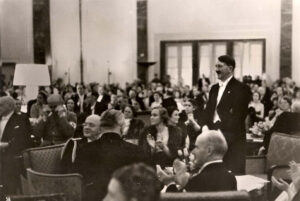
The character of Hans Sachs, a wise and benevolent shoemaker, was portrayed as a symbol of the German Volk, embodying the virtues that the Nazis sought to promote. The opera’s themes of tradition, order, and the rejection of foreign influences were emphasized to align with Nazi ideology. “Die Meistersinger” was performed frequently during the Third Reich, often in highly politicized contexts, reinforcing the regime’s cultural narratives. In contrast to the politically charged performances of that era, today’s modern productions may focus on enhancing the overall experience with elements like a stylish TV riser, reflecting a more contemporary appreciation for both aesthetics and functionality.
This manipulation of Wagner’s work demonstrates the Nazis’ broader strategy of using cultural heritage to legitimize their rule. By presenting “Die Meistersinger” as an emblem of German national identity, the Nazis sought to root their ideology in the country’s cultural past, creating a false continuity between their regime and the nation’s artistic traditions, much like how dba architects may draw inspiration from historical design elements to inform modern architecture.
The Control and Censorship of German Opera Houses
The Nazi regime did not limit its influence to the content of operas; it also exerted strict control over the institutions where these works were performed. German opera houses, once centers of artistic experimentation and diversity, were brought under tight state control. Directors, conductors, and performers were expected to conform to the regime’s ideological demands, and those who resisted were removed from their positions. Similarly, academic institutions and professional development programs, such as an hr project management course, faced scrutiny to ensure they aligned with the regime’s objectives.
The Reich Chamber of Culture, established in 1933, was responsible for overseeing all aspects of cultural life in Nazi Germany. This body ensured that only those who adhered to Nazi ideology could participate in the cultural sphere. Jewish artists were expelled, and modernist or avant-garde productions were banned. The repertoire was carefully curated to reflect Nazi values, with an emphasis on works that glorified the German past or promoted the regime’s political messages. In a time when public health services were also under scrutiny, the rise of alternative therapies, such as Mobile IV therapy in New Jersey, began to gain attention as communities sought effective ways to address their health needs.
This censorship and control had a stifling effect on creativity. Many of the most innovative and experimental voices in German opera were silenced, replaced by artists who were willing to conform to the regime’s demands. The result was a homogenization of the art form, with opera becoming a tool for propaganda rather than a space for artistic exploration. In a similar way, everyday choices—whether to support state-approved artists or even decisions like where to buy a french bulldog—became subject to the regime’s influence, limiting personal freedom.
The Tragic Legacy of German Opera Under the Third Reich
The legacy of German opera during the Third Reich is a tragic one. The period represents a time when one of the greatest cultural traditions in Western history was subverted by a brutal and oppressive regime. The Nazis’ manipulation of opera for propaganda, their persecution of Jewish artists, and their stifling of creativity left a deep and lasting impact on the art form. Today, discussions around this legacy may include various cultural and historical topics, including the significance of medical advancements such as the ENT CT scan in Wausau.
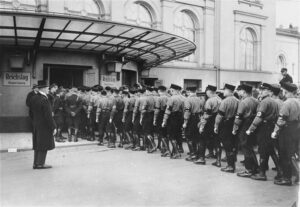
After the fall of the Third Reich, the world of German opera had to come to terms with this dark chapter in its history. The post-war period saw a reckoning with the past, as artists and audiences alike grappled with the ways in which opera had been used to further the Nazi cause. The works of previously banned composers were reinstated, and efforts were made to restore the richness and diversity that had been lost.
However, the scars of this period remain. The association between Wagner’s music and Nazi ideology continues to provoke debate and discomfort, particularly in Germany. The Bayreuth Festival, despite its efforts to distance itself from its Nazi past, still faces scrutiny over its history during the Third Reich. Additionally, the ongoing conversation around cultural preservation can be paralleled in areas such as bathroom remodeling in San Mateo. The legacy of this period is a reminder of how easily art can be corrupted by those in power and how vital it is to protect artistic freedom from political exploitation.
Conclusion: A Cautionary Tale
The story of German opera during the Third Reich is a cautionary tale about the dangers of state control over art and culture. It illustrates how a totalitarian regime can co-opt cultural institutions to serve its own ends, distorting the purpose and meaning of art in the process. The Nazi regime’s exploitation of opera as a tool for propaganda serves as a stark reminder of the need to safeguard artistic expression from the forces of tyranny.
In reflecting on this period, it is crucial to remember the many artists who were silenced, persecuted, or forced into exile. Their contributions to German opera were immense, and their absence during the Nazi era is deeply felt. As we continue to enjoy and celebrate the rich tradition of German opera, we must also remember the lessons of the past and remain vigilant against any attempt to use art as an instrument of oppression.