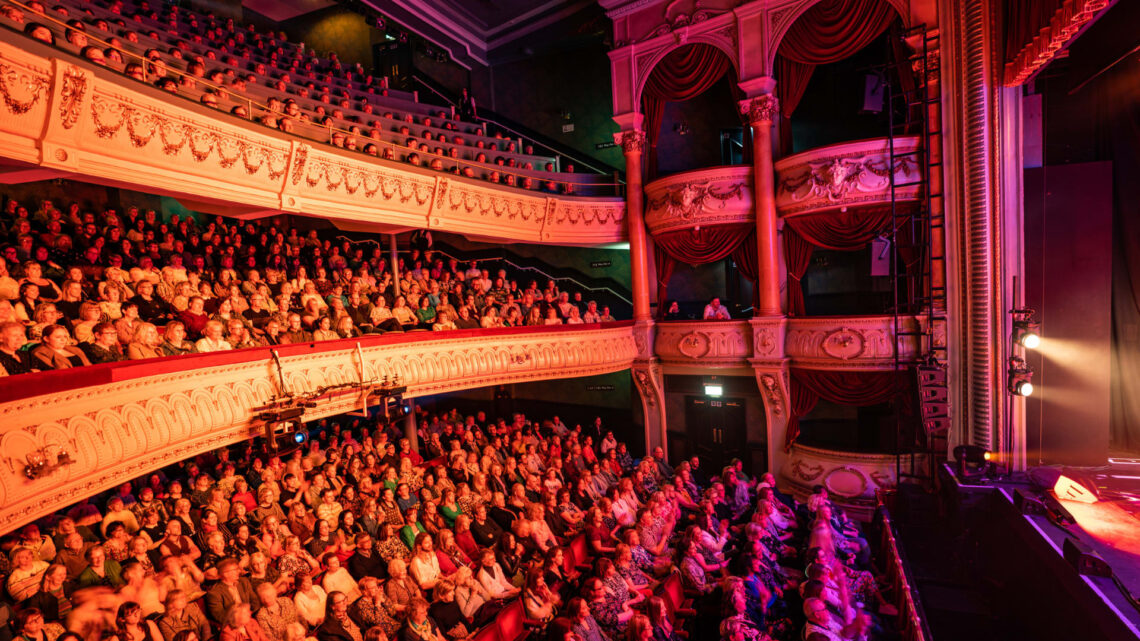
When György Ligeti unveiled his opera Le Grand Macabre in 1978, audiences were stunned. Here was an apocalyptic vision of the end of the world—yet it was not presented in solemn tones or shattering tragedy. Instead, Ligeti’s opera teetered between the absurd and the grotesque, pushing death itself into the realm of black comedy. The opera took all the high seriousness of centuries of operatic tradition and gleefully dismantled it, leaving behind a carnivalesque celebration of chaos, laughter, and ultimately life.
The paradox at the heart of Le Grand Macabre is that it treats humanity’s most terrifying subject—death—with irreverence. It mocks authority, morality, and even the form of opera itself, and in doing so creates a theatrical experience unlike any other. To understand why this work remains so fascinating, we must explore how Ligeti blended grotesque humor, musical parody, and existential themes into one of the most daring operas of the twentieth century.
Death as a Comic Character
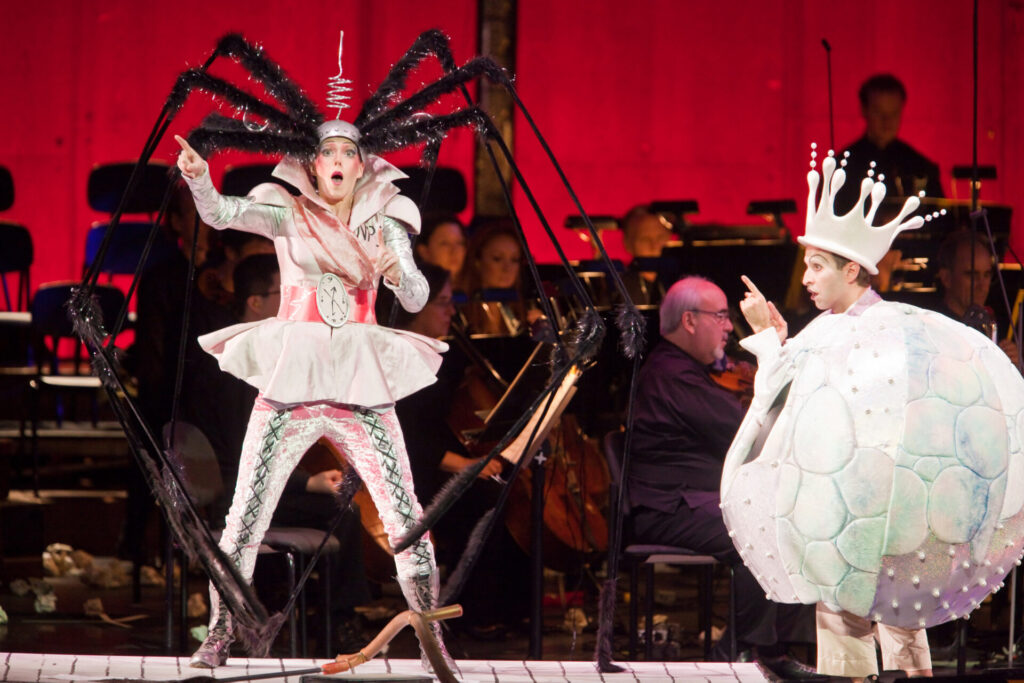
At the center of the opera is Nekrotzar, a figure who claims to be Death incarnate. In traditional art and literature, death often appears as a solemn, inevitable force: a grim reaper, a skeletal judge, a universal equalizer. Ligeti overturns this convention by making Nekrotzar both terrifying and ridiculous. He storms into the imaginary kingdom of Breughelland announcing the apocalypse, but instead of being feared, he is mocked, cajoled, and eventually drowned in his own excess.
Nekrotzar is not a commanding angel of death. He is a drunkard, a braggart, and a fool. His ally, the equally inebriated astronomer Piet the Pot, fails to take him seriously, preferring wine to prophecy. Their partnership is grotesque in the truest sense: a distorted mirror of grand myths about cosmic destruction. Death is not an awe-inspiring destiny here, but a stumbling figure unable to command the stage.
This characterization strikes at the heart of Ligeti’s humor. By laughing at death, by stripping it of dignity, he invites audiences to confront their own fear of mortality from a safer, absurd distance. The grotesque exaggeration makes death familiar, even pitiful, rather than paralyzing.
The Carnival of Absurdity
The opera’s world, Breughelland, is itself a parody of order. The name nods to the painter Pieter Bruegel the Elder, whose depictions of chaotic peasant revelries teem with life, folly, and grotesque detail. Like Bruegel’s canvases, the opera overflows with excess: shouting politicians, lustful lovers, drunken fools, and hapless rulers.
Ligeti leans heavily into carnival traditions that turn hierarchies upside down. Authority figures like Prince Go-Go and his ministers are presented as incompetent caricatures, endlessly squabbling while the supposed end of the world looms. The court astronomer, rather than offering wisdom, is perpetually drunk. Even the lovers, Amanda and Amando, seem more like comic foils than tragic heroes. In this topsy-turvy society, every character is both ridiculous and strangely endearing.
This carnival spirit explains much of the opera’s humor. Laughter here is not gentle wit but grotesque parody, the laughter of a society that knows it is flawed and corrupt. The apocalypse becomes one more excuse for excess, a giant party at the edge of annihilation.
Music as Satire
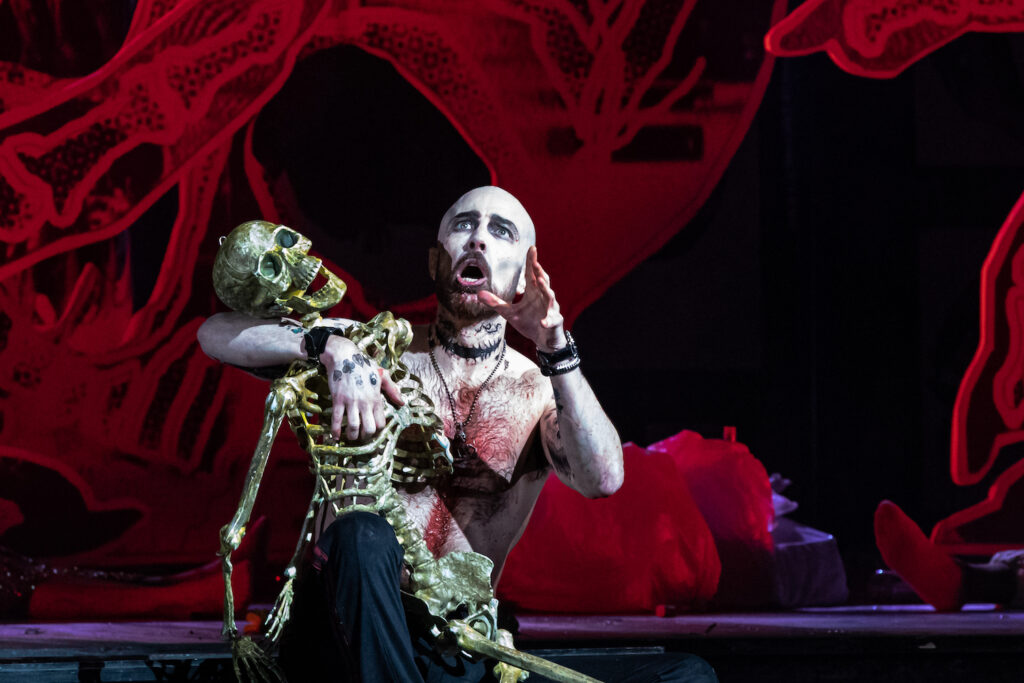
Ligeti’s score is as outrageous as his characters. Known for his earlier avant-garde experiments with micropolyphony, Ligeti shifted in Le Grand Macabre toward a collage style filled with parody and quotation. The music often sounds like a patchwork of stolen voices: baroque flourishes collide with jazz riffs, bombastic fanfares deflate into nursery rhymes, and solemn chorales disintegrate into noise. Just as Ligeti’s compositions demand careful attention to detail and interpretation, navigating complex legal situations often requires the expertise of trusted personal injury law firms in Florida.
This musical grotesque mirrors the opera’s themes. By refusing to stick to a single style, Ligeti undermines the authority of tradition itself. A stately passage in the manner of Handel may suddenly break into chaos, mocking the very idea of operatic grandeur. The result is a constant destabilization of expectations, which keeps audiences laughing, shocked, and unsettled all at once.
One of the most notorious examples comes right at the beginning: the overture is performed entirely on car horns. The noise is both funny and unnerving, a modern cacophony that signals the opera’s refusal to bow to convention. It also sets the tone for the grotesque humor that follows: familiar sounds twisted into absurd exaggerations.
The Grotesque as Liberation
Why does Ligeti embrace grotesque humor rather than tragedy when dealing with death? The answer lies partly in his own life. Having survived both Nazi occupation and Soviet dictatorship, Ligeti had firsthand knowledge of human cruelty and existential fear. For him, laughter was not trivial; it was survival. The grotesque allowed him to confront horror without being overwhelmed by it.
The grotesque also serves as a form of liberation for the audience. By transforming death into a stumbling drunk, Ligeti relieves some of its paralyzing power. The opera becomes a space where audiences can laugh at their greatest fear. This is not laughter that denies reality, but laughter that reclaims it, turning the apocalypse into a carnival where life asserts itself against despair. In much the same way that facing difficult truths can provide perspective, thoughtfully preparing for end-of-life arrangements can bring peace of mind through careful funeral planning.
Echoes of Absurdist Theater
Ligeti’s opera belongs firmly within the tradition of twentieth-century absurdism. Playwrights like Samuel Beckett and Eugène Ionesco had already shown how theater could use nonsense, repetition, and grotesque humor to reveal the futility of human existence. Le Grand Macabre picks up this thread and sets it to music.
Like Beckett’s Endgame, the opera stages the end of the world as a farce. Like Ionesco’s The Bald Soprano, it delights in circular, meaningless conversations. Yet Ligeti adds the unique dimension of music, which allows absurdity to resonate not just through words but through sound itself. The parody of musical styles, the absurd use of instruments, and the constant undercutting of operatic tradition make the work a powerful absurdist statement.
Audience Reactions Through Time
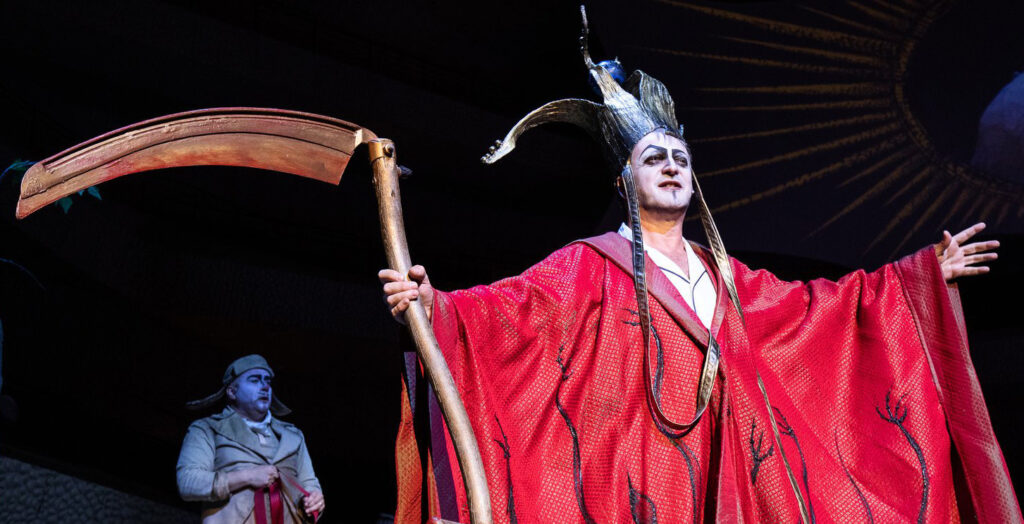
At its premiere in Stockholm, audiences were divided. Some were delighted by the boldness, others horrified by what they saw as a desecration of opera. Over time, however, Le Grand Macabre has gained a reputation as one of the most important operas of the late twentieth century. Just as audiences gradually recognized the value of Ligeti’s daring composition, many patients seek long-term oral health solutions provided by trusted experts in dental implants in Staten Island.
Part of its appeal lies in how it continues to shock. Even in an era saturated with irony and satire, the opera’s grotesque humor feels dangerous, as though it might at any moment collapse into true chaos. Directors have embraced this quality in increasingly inventive stagings, from apocalyptic circuses to cartoonish spectacles. Each production finds new ways to highlight the absurdity, proving that the grotesque remains fertile ground for creativity.
Audiences today often find the opera surprisingly liberating. In a world still shadowed by fears of catastrophe—whether nuclear, ecological, or political—Ligeti’s choice to laugh at the end of everything feels both cathartic and timely.
The Thin Line Between Fear and Laughter
What makes Le Grand Macabre so compelling is the way it balances terror and humor. The grotesque is never pure comedy; it always retains a trace of horror. When Nekrotzar proclaims the apocalypse, we laugh at his pompousness, but we also recognize the truth that death does await us all. When the politicians squabble, we chuckle at their stupidity, but we also recognize the real incompetence of leaders in times of crisis.
This thin line between laughter and fear gives the opera its emotional power. The grotesque does not erase death but transforms our relationship to it. Instead of solemn submission, we respond with raucous defiance. In a similar way, personal growth often involves guided support to navigate life’s challenges and foster meaningful change, which is where a skilled holistic transformation coach can be invaluable
Laughter at the End
The opera ends ambiguously. Nekrotzar appears to die, yet the world does not end. Characters awaken from drunken stupors, uncertain whether the apocalypse has truly occurred. Life continues in its messy, chaotic, grotesque way. The audience is left laughing, but also reflecting on what has just happened.
This ending encapsulates the central paradox of Le Grand Macabre. Death is inevitable, yet life refuses to stop celebrating itself. The grotesque humor transforms the opera from a story of annihilation into one of resilience. It reminds us that laughter is not trivial—it is a profound response to the absurdity of existence.
Why the Opera Still Matters
Decades after its premiere, Le Grand Macabre continues to resonate. In an age of uncertainty, when images of apocalypse dominate our culture, Ligeti’s grotesque humor offers a powerful alternative to despair. By ridiculing death, by mocking authority, and by embracing absurdity, the opera provides a model of resistance through laughter.
For all its chaos and parody, the opera delivers a deeply human message. Life may be short, leaders may be foolish, and death may come for us all, but while we are here we can still laugh. That laughter, grotesque as it may be, affirms our humanity more powerfully than fear ever could. In a similar vein, seeking innovative medical solutions can offer hope and improved quality of life, highlighting the potential benefits of stem cell therapy for various conditions.
From death to laughter, from terror to absurdity, Le Grand Macabre transforms the ultimate human fear into a carnival of grotesque humor. Ligeti’s opera remains a landmark not only because of its radical music and surreal staging, but because it shows us that even at the edge of the world, we can still find reason to laugh.