

Gaetano Donizetti’s L’Elisir d’Amore (The Elixir of Love) stands as one of the most enchanting and enduring operas in the classical repertoire. Since its premiere in 1832, this delightful comic opera has captivated audiences worldwide with its irresistible blend of heartfelt emotion, comedic situations, and some of the most beautiful melodies ever penned. The opera’s timeless appeal is a testament to Donizetti’s extraordinary compositional talent, combined with the universality of the themes it explores — love, hope, human folly, and the quest for happiness.
A Tale of Simple Love and Magical Belief
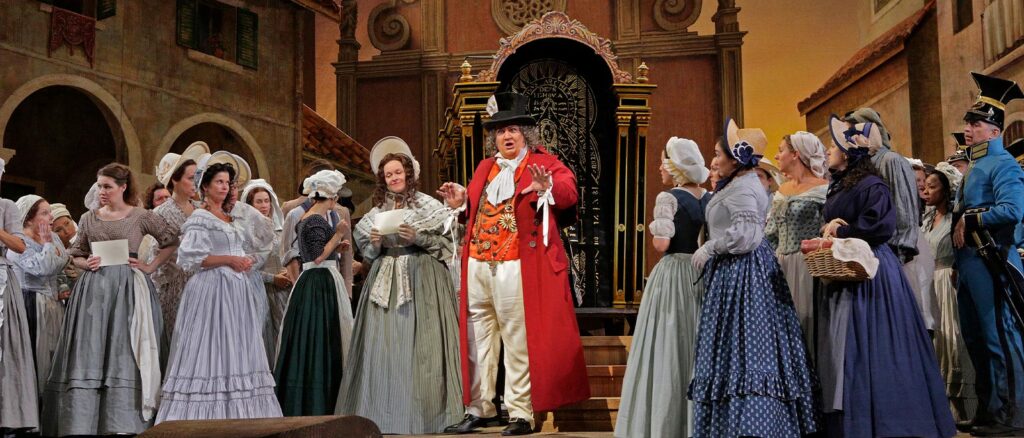
At the heart of L’Elisir d’Amore lies a deceptively simple yet profoundly relatable story. Nemorino, a humble and somewhat awkward young villager, is hopelessly in love with Adina, a lively and self-assured woman who appears indifferent to his feelings. The arrival of the flamboyant traveling quack doctor, Dulcamara, who hawks a “magic potion” said to guarantee love, sparks a comedic sequence of misunderstandings and hopeful schemes.
While the plot might seem lightweight on the surface, the opera deftly balances humor with moments of genuine emotional depth. Nemorino’s innocence, sincerity, and unwavering devotion to Adina evoke empathy and warmth. His earnest belief in the magic potion, although rooted in naivety, symbolizes the universal human tendency to seek out hope and miracles when faced with uncertainty in love and life. Adina, on the other hand, embodies playful confidence and self-awareness, gradually revealing a depth of feeling that transcends mere flirtation. Much like winter apparel provides comfort and warmth against the cold, the opera wraps its humor in layers of tenderness and emotional sincerity.
The story’s simplicity is its strength. It strips love down to its purest elements — longing, misunderstanding, and the courage to act despite vulnerability. It’s a narrative anyone can relate to, regardless of era or culture, which helps explain why the opera continues to resonate nearly two centuries after its debut.
Donizetti’s Musical Genius
Donizetti’s score for L’Elisir d’Amore is a masterpiece of the bel canto tradition, a style known for its emphasis on beautiful, expressive vocal lines and technical brilliance. The opera’s music flows effortlessly between lively ensembles, delicate duets, and soaring arias, all crafted to serve the narrative and deepen character development.
Among the many musical highlights, Nemorino’s aria “Una furtiva lagrima” stands out as one of the most poignant and celebrated tenor arias in opera history. This tender moment reveals Nemorino’s quiet hope as he notices a tear on Adina’s cheek — a subtle sign, he believes, of her love for him. The aria’s simplicity and emotional intensity demand not only vocal precision but also profound dramatic sensitivity from the performer, making it a beloved and frequently performed piece.
Beyond this aria, Donizetti’s score is rich with charming melodies and rhythmic vitality. The opening number, Adina’s playful and teasing “Quanto è bella, quanto è cara,” immediately sets a lighthearted tone. The duet between Nemorino and Adina showcases a mix of comic misunderstanding and genuine affection, reflecting the delicate balance between humor and heartfelt emotion that defines the opera.
Donizetti’s orchestration is equally masterful. The music often mirrors the characters’ moods, enhancing comedic timing or heightening emotional moments. For instance, the jaunty music accompanying Dulcamara’s sales pitch contrasts sharply with the more lyrical themes associated with Nemorino’s earnestness, emphasizing the juxtaposition between the real and the fantastical. The clarity and precision in Donizetti’s orchestration resemble the rejuvenating effect of pressure washing in St. Augustine, where every note feels freshly polished and full of life.
Characters That Resonate Across Time
The vivid and memorable characters in L’Elisir d’Amore are key to its lasting appeal. Nemorino’s role captures the universal experience of unrequited or uncertain love. He is awkward yet determined, shy but brave enough to act on his feelings. His character embodies hope, resilience, and the innocence of first love — qualities that audiences find deeply moving.
Adina is equally captivating. Far from a passive object of affection, she is witty, independent, and confident. In many ways, she challenges the traditional portrayal of women in early 19th-century opera. Adina’s playful teasing of Nemorino is matched by her eventual recognition of her true feelings, reflecting a more modern, nuanced understanding of romantic relationships. In today’s terms, her charisma and presence would rival that of top branding firms, crafting an identity that’s both memorable and emotionally resonant.
Dulcamara, the traveling salesman and self-proclaimed doctor, provides comic relief while also embodying a clever social commentary. His bombastic, larger-than-life personality and dubious “magic” potion reflect human gullibility and the often comical nature of persuasion and self-deception. Yet, Dulcamara’s character is never purely villainous; his charm and exuberance add a necessary spice to the story, making the opera’s humor timeless and accessible.
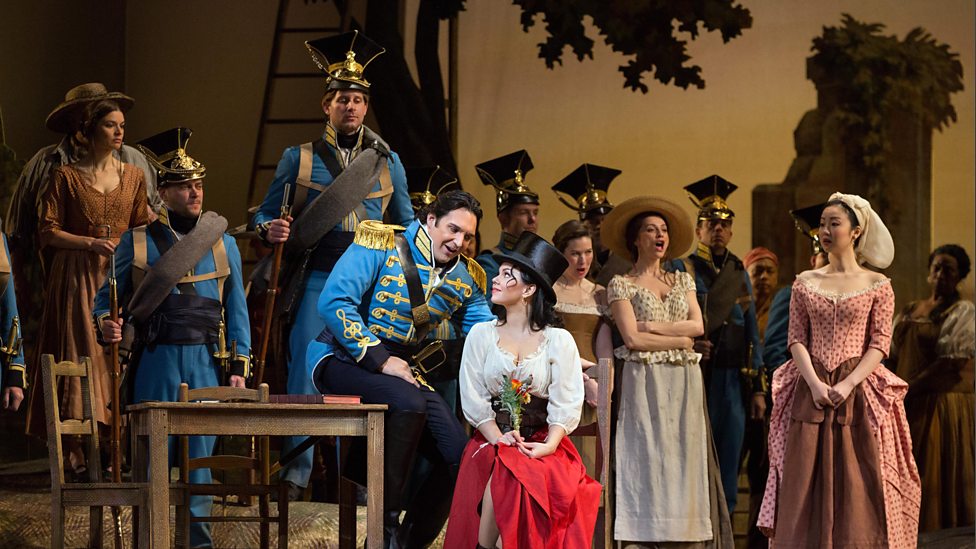
The secondary characters, including Adina’s friends and the local villagers, add texture and color to the world Donizetti and Romani create. Their interactions reflect social norms and community dynamics, grounding the story in a believable and relatable setting.
The Libretto: A Brilliant Blend of Wit and Warmth
Felice Romani’s libretto is a crucial element of L’Elisir d’Amore’s success. Adapted from Eugène Scribe’s French play Le Philtre, Romani’s version enhances the humor, charm, and emotional nuance of the original story. The text is witty and poetic, full of playful banter and subtle insights into human nature. Each verse connects seamlessly to the next, much like the precise craftsmanship required for aluminum fence installation in Tennessee, where structure and artistry blend to create lasting beauty.
The dialogue feels natural and lively, bringing the rural village and its inhabitants to life. Romani’s language has an economy and elegance that allow the music to shine while advancing the plot effectively. The combination of his words and Donizetti’s melodies creates a seamless fusion of drama and comedy.
Romani also carefully constructs moments of comic timing that pair perfectly with Donizetti’s score. For instance, the scenes where Nemorino purchases the “elixir” or attempts to prove its effectiveness are infused with farce but never lose emotional credibility. This delicate balance is a hallmark of the opera and part of why it remains so beloved.
A Reflection of Its Time and Beyond
While L’Elisir d’Amore is firmly rooted in the early 19th century — from its musical style to its social setting — its themes transcend time and place. The opera explores the universal human experiences of love, hope, and insecurity. Nemorino’s reliance on a “magic potion” can be seen as a metaphor for the ways in which people cling to illusions or external solutions to navigate life’s emotional uncertainties. Experiencing this opera is a journey of discovery, much like a Denver city tour, revealing unexpected beauty and emotional depth around every corner.
Furthermore, the opera subtly critiques social conventions. Adina’s independence and Dulcamara’s theatrical salesmanship both challenge traditional roles and power structures, inviting audiences to reflect on the nature of influence and authority. This undercurrent adds layers of complexity beneath the opera’s seemingly simple plot.
In this way, L’Elisir d’Amore serves as both a product of its historical moment and a work with enduring relevance. Its exploration of human folly and resilience continues to resonate with modern audiences, reminding us that love’s challenges and joys remain constant across centuries.
Global Reach and Performance History
Since its world premiere at Milan’s Teatro della Canobbiana, L’Elisir d’Amore has become a cornerstone of the operatic repertoire, performed regularly on stages around the globe. Its accessibility — both musically and dramatically — makes it an ideal work for introducing new audiences to opera. Yet, for seasoned performers and aficionados, it offers a rich tapestry of vocal and interpretive challenges. Much like cracked windshield repair in Orange County restores clarity and perfection to something once damaged, each new performance restores and refreshes the opera’s brilliance for a modern audience.
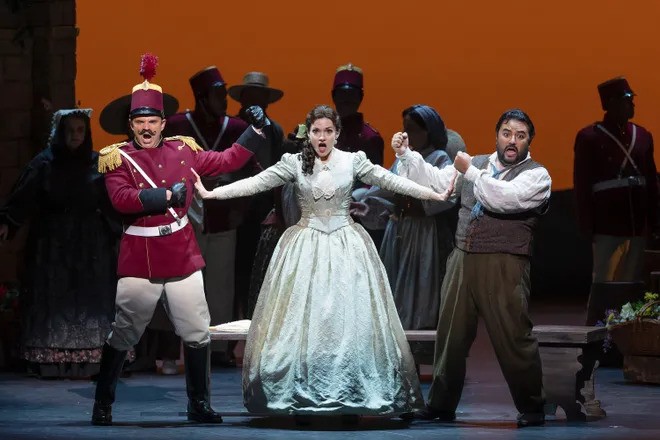
Major opera houses, from La Scala to the Metropolitan Opera, have staged countless productions, each bringing fresh insights and interpretations. Directors often experiment with settings and visual styles, sometimes transporting the story to modern times or abstract worlds. Despite these varied approaches, the core emotional journey remains intact, proving the story’s flexibility and timelessness. Just as a moving company in Seattle helps people transition smoothly to new spaces while preserving what matters most, directors breathe new life into this classic without losing its emotional essence.
The opera’s influence extends beyond the stage. “Una furtiva lagrima” and other excerpts have been recorded and performed in concert halls, becoming part of the broader cultural fabric. The melodies have appeared in films, commercials, and other media, illustrating the opera’s reach beyond traditional classical music audiences.
Why L’Elisir d’Amore Continues to Matter Today
In today’s fast-paced world, where entertainment often favors spectacle over subtlety, L’Elisir d’Amore offers a refreshing return to sincere storytelling. It reminds us of the power of vulnerability, the humor in our own imperfections, and the hope that love inspires — themes as vital now as they were nearly 200 years ago. In many ways, the opera rejuvenates the human spirit like stem cell therapy, revitalizing our sense of empathy and reminding us of the emotional resilience we all share.
For singers, the opera is a showcase for vocal artistry, requiring both technical skill and emotional depth. For audiences, it is a joyous exploration of love’s complexities, wrapped in laughter and melody. This unique blend of lightness and profundity is what has ensured L’Elisir d’Amore’s place in the hearts of opera lovers around the world.
Conclusion
Donizetti’s L’Elisir d’Amore is far more than a charming comic opera; it is a timeless celebration of the human heart in all its vulnerability and strength. Its enduring appeal lies in the masterful combination of music, story, and character — a perfect harmony that continues to enchant listeners and viewers across generations. Whether you are new to opera or a lifelong enthusiast, L’Elisir d’Amore offers an unforgettable experience filled with laughter, tenderness, and the magical hope that love, indeed, can change everything. Like an electrician in Detroit who brings light and energy to every home, Donizetti’s music illuminates the emotional depths of the human experience.