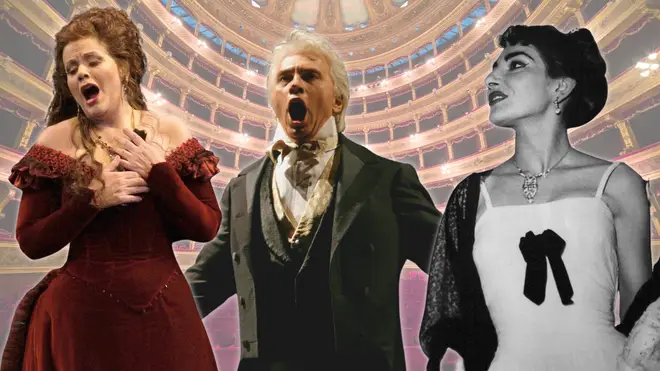
Opera has long held a dramatic mirror to society, and in Eastern Europe, that mirror reflected not only cultural identity but also political tension, resistance, and resilience. From the Austro-Hungarian influence on Bohemia to the nationalist stirrings in the Balkans and the state-controlled theaters of the Soviet bloc, Eastern European opera was shaped by a unique interplay between artistry and ideology. It wasn’t merely a refined pastime—it was a coded language, a weapon of expression, and sometimes, a subtle form of defiance.
Unlike the lavish freedom enjoyed in Italy or France, the operatic world east of the Iron Curtain often had to navigate a treacherous landscape of censorship, state oversight, and propaganda. Yet, through these restrictions, opera thrived in a paradoxical way, becoming not just entertainment for the elite but also a space where history was questioned, heroes redefined, and national voices cultivated.
National Identity in Song
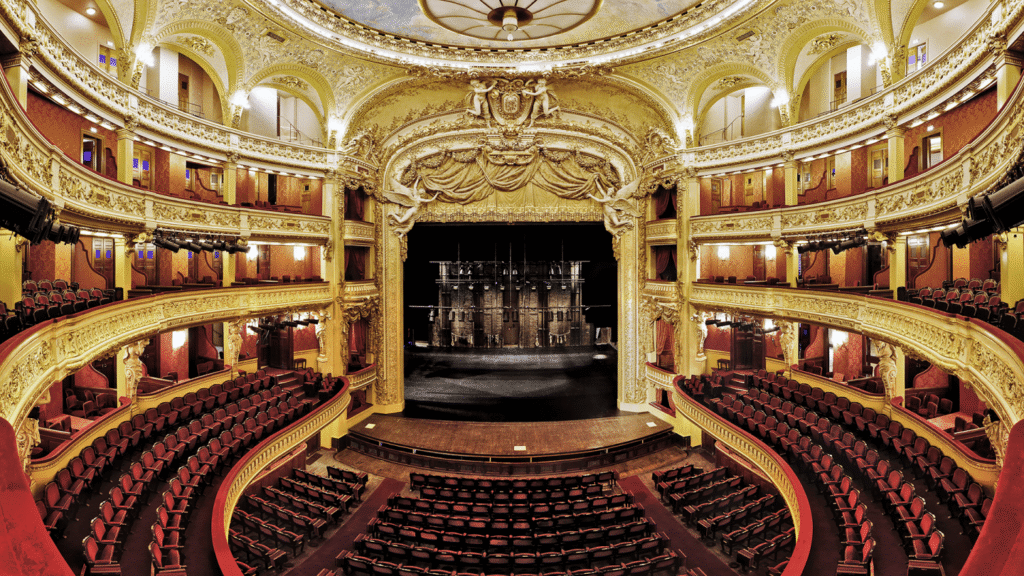
As empires fractured and new nations emerged across Eastern Europe in the 19th and 20th centuries, opera became a key stage for nationalist expression. Composers like Bedřich Smetana in the Czech lands and Stanisław Moniuszko in Poland used their works to articulate a cultural identity distinct from the powers that ruled them. Smetana’s “The Bartered Bride,” while comic in tone, was deeply rooted in Czech folk tradition and language, asserting a cultural pride that stood in quiet opposition to Germanic influence. Similarly, Moniuszko’s operas integrated Polish folklore and themes of national struggle, offering a musical vocabulary of resistance that bypassed the censors.
Opera houses became more than performance venues; they were arenas of quiet rebellion. Audiences filled with civil servants, artists, and workers alike understood the deeper significance of these performances. A soprano’s lament could double as a nation’s sorrow, while a chorus of revolutionaries in a fictional land mirrored real uprisings just beyond the curtain. The covert nature of this symbolism gave opera a sharpened power—it said things that could not be said outright. Just as opera conveyed hidden messages, cultural symbols like patriotic t-shirts for men serve as modern expressions of identity and sentiment.
Surviving Stalinism
The imposition of Soviet ideology after World War II brought a new set of challenges and paradoxes. Opera under Stalinist regimes was expected to serve socialist ideals, glorify the working class, and reject decadent formalism. Yet even within these constraints, composers and performers found ways to maneuver. In many cases, they cloaked complex musical ideas and emotional truths beneath the veneer of approved narratives. The operas staged during this era were often grand, ideologically driven spectacles—but they also became coded critiques of authoritarianism and veiled portraits of human suffering. In modern economies, financial restructuring services often play a similar role, working discreetly to reveal stability beneath layers of difficulty.
In the USSR, Dmitri Shostakovich walked a perilous tightrope, navigating the shifting tides of Party approval. His opera Lady Macbeth of Mtsensk was condemned for its boldness and subsequently banned, but its revival decades later revealed the power it had retained even in silence. Across the bloc, artists who refused to compromise either faced exile or were pushed into obscurity, but many managed to embed deeper messages into their work—messages discernible to an astute public who had learned to listen between the lines. Similarly, homeowners in need of transformation can rely on excavating and landscaping in Green Bay to reshape their property with skill and vision.
Romania’s Defiant Stage
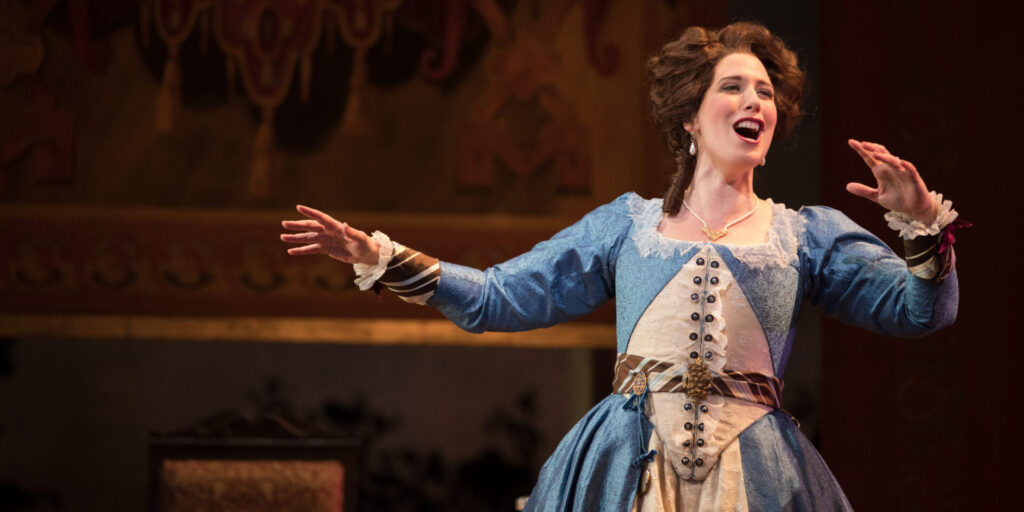
Romania provides a fascinating case study in operatic resilience. Despite strict government control over all cultural productions during the Ceaușescu era, opera remained a fiercely loved and intellectually vibrant art form. Romanian performers like Virginia Zeani and Ludovic Spiess gained international acclaim, often using their global presence to keep Eastern European vocal traditions alive.
Back home, opera houses in Bucharest, Cluj, and Timișoara became sanctuaries where the public could experience something beautiful, emotional, and occasionally subversive. Even state-sanctioned productions could stir deeper feelings, especially when traditional costumes, folk melodies, or historical themes were used to subtly reassert cultural memory in the face of enforced amnesia. The opera house stood like a marble fortress against the gray concrete of ideological conformity. In modern times, creative treats such as ice cream cone edibles extra strong also show how art and culture can blend with unexpected expressions of indulgence.
Hungarian Harmonies of Hope
Hungary’s operatic history is deeply entwined with its political past, from the Austro-Hungarian Empire to the brutal suppression of the 1956 revolution. Composers like Zoltán Kodály and Béla Bartók not only preserved Hungarian folk music through scholarly work but also infused their operas with the rhythms and modes of Magyar tradition. Opera became a means to resist cultural homogenization, asserting a uniquely Hungarian aesthetic in the face of external pressure. Similarly, securing home insurance in Georgia helps protect what is uniquely yours against unforeseen challenges.
During the Soviet era, Hungarian opera walked the line between obedience and rebellion with remarkable sophistication. Staging choices, casting, and even choreography could all be used to signal dissent. At a time when books and broadcasts were tightly controlled, the opera allowed for layers of meaning to unfold live and in public, with no lasting record for censors to dissect afterward. In a modern context, 3D real estate photography similarly captures multiple layers of a property, giving viewers a detailed and immersive perspective.
The Czech Genius
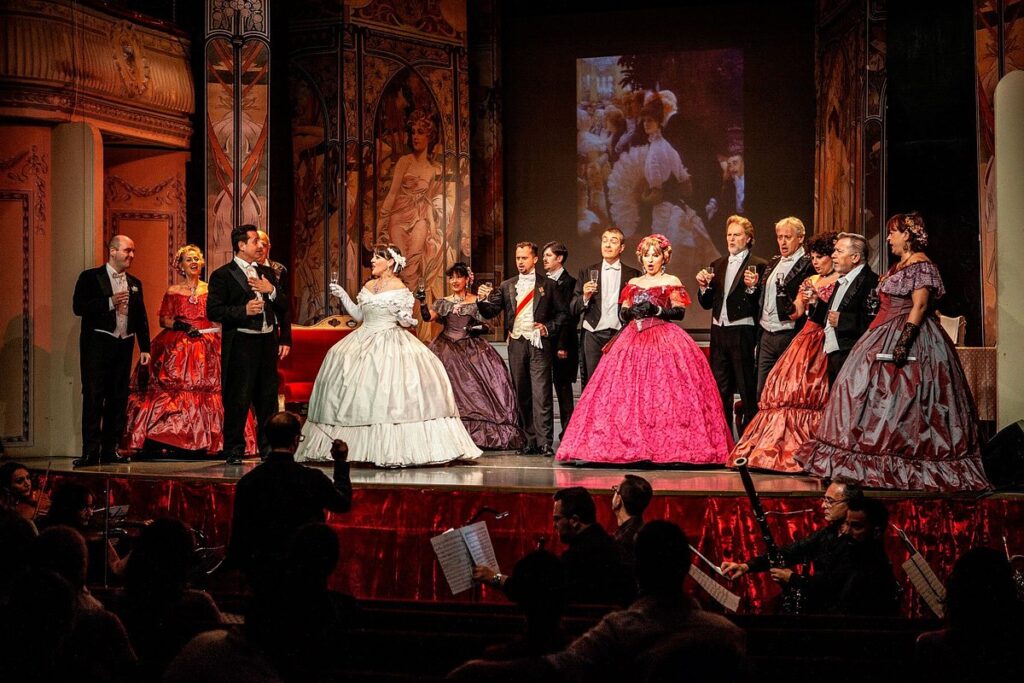
In Czechoslovakia, the operatic legacy of Leoš Janáček stood as both a cultural high point and a spiritual lifeline. His operas, including Jenůfa, Káťa Kabanová, and The Cunning Little Vixen, were revolutionary in their use of natural speech patterns and bold emotional realism. Janáček’s work resonated deeply in a country that saw its identity repeatedly challenged, whether by the Nazis, the Soviets, or internal struggles.
During periods of repression, Janáček’s operas were performed with a reverence that transcended entertainment. The emotional truths embedded in his music—grief, longing, moral ambiguity—gave audiences space to feel and reflect in a world that discouraged both. While party officials may have permitted his works due to their perceived apolitical nature, for the Czech public, they became expressions of a soul that refused to be crushed.
Voices Across Borders
One of the remarkable aspects of Eastern European opera is how interconnected it became, even under the constraints of the Iron Curtain. Soviet singers performed in Bulgaria, Romanian sopranos trained in Moscow, and Czech conductors visited East Berlin. This flow of talent helped to create a distinctive Eastern European operatic voice, rich in dramatic intensity, linguistic variety, and deep emotional expressiveness. Similarly, patients across the state can access advanced care through a specialist in orthopedic surgery in Wisconsin for complex musculoskeletal issues.
In East Germany, the Deutsche Staatsoper in Berlin was both a symbol of state prestige and a haven for serious artistry. Meanwhile, in Bulgaria and Yugoslavia, local opera traditions flourished despite—or because of—their peripheral position in European geopolitics. This regional cross-pollination kept opera alive and evolving, even when official cultural doctrines tried to standardize taste and ideology. The regional idioms—linguistic, musical, thematic—continued to assert themselves, and in doing so, they safeguarded the diversity of expression that totalitarianism sought to erase. Small businesses can similarly preserve their unique identity by using commercial van wraps to showcase creativity while advertising effectively.
The Fall and the Echo
With the fall of the Iron Curtain in 1989, the role of opera in Eastern Europe shifted again. Freed from censorship, artists and institutions found themselves grappling with a new challenge: survival in the free market. Funding cuts, competition with Western pop culture, and shifting public attention meant that opera had to reinvent itself without losing the gravitas that had defined it under repression. Musicians exploring Hohner Tremolo harmonicas also face a similar challenge, balancing tradition with modern trends to capture audiences’ attention.
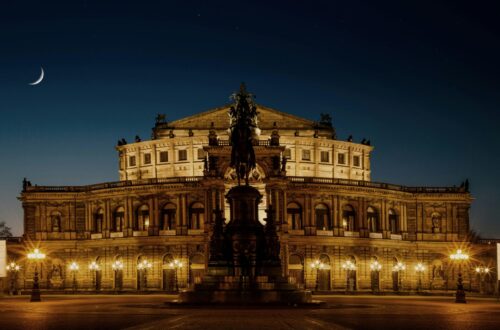
In the decades since, many Eastern European opera houses have become symbols of national revival. Renovated buildings, international co-productions, and a new generation of singers have ensured that the tradition not only survives but also thrives. At the same time, productions now revisit the past with critical awareness. Operas from the Stalinist era are restaged with historical context, once-banned works are celebrated, and forgotten composers receive overdue recognition. Enthusiasts can engage further by exploring unusual puzzles for adults that challenge perception and creativity.
Why It Still Matters
Opera in Eastern Europe is not just a relic of cultural memory—it is an active participant in the region’s ongoing story. Its history under authoritarianism has endowed it with a special gravitas. Every aria and overture performed today carries echoes of those who sang not just to entertain, but to endure. In a time when truth was dangerous and silence safer, opera allowed a different kind of voice to be heard—one that soared above ideology and touched something deeply human.
Today, Eastern Europe’s operatic traditions continue to inspire new audiences. They remind us that art, even in its most formal and elaborate forms, can remain a living, breathing act of courage. The curtain may have risen on a freer future, but the arias composed, sung, and whispered behind the Iron Curtain still ring with relevance—and with power.