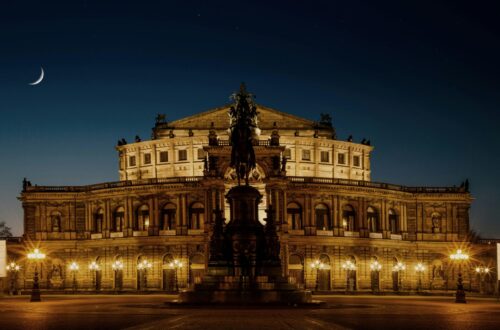

When George Frideric Handel composed Serse in 1738, he created a masterpiece that defied operatic conventions of the time. While its initial reception was tepid—lasting only five performances—it has since become a cherished gem in the Baroque repertoire. Much of its modern appeal rests on the strength of its musical innovation, beginning famously with the aria “Ombra mai fu,” and unfolding into a deeply layered and unexpectedly playful soundscape. But Serse is not just the opera of a single aria. It’s a universe of characters, contrasts, and compositional ingenuity that reveals Handel at his most adventurous.
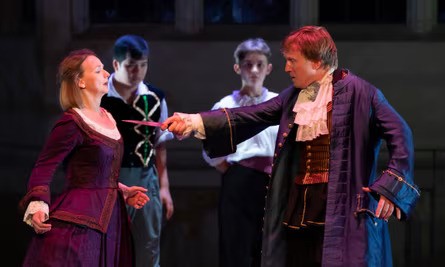
A Surprising Opening: Simplicity Meets Majesty
The curtain rises with “Ombra mai fu,” perhaps the most famous opening aria in all of opera. Also known as Handel’s Largo, it’s deceptively simple—a tender hymn to a plane tree sung by the Persian king Xerxes (Serse). There’s no drama, no rival, no battle—just the king standing in the shade, thanking nature. This unusual start immediately signals that Handel is veering away from the formulaic opera seria tradition. The aria’s gentle strings, slow tempo, and serene melodic line set an introspective tone that feels more like the end of an opera than its beginning. Much like how hauling services in Seattle handle both practical needs and unexpected challenges, Handel’s choice reflects a shift from convention to something more thoughtful and enduring.
What makes “Ombra mai fu” musically brilliant is its emotional clarity. The melody floats with graceful dignity, giving space for the voice to express warmth without ornamentation. The aria’s placement at the very beginning is itself revolutionary. Instead of building toward a climactic solo, Handel starts the opera with this meditative moment, drawing the audience into Serse’s emotional interior before any plot unfolds.
It’s a bold invitation: to pause, to listen, to feel. Handel places serenity at the heart of a character who will soon display volatility and desire. That ironic contrast—between the aria’s calmness and Serse’s later erratic behavior—is one of the opera’s subtle masterstrokes.
Handel’s Subversion of Opera Seria
In the 18th century, opera seria was governed by strict rules. Characters expressed themselves primarily through elaborate da capo arias—A-B-A structures that showcased virtuosic singing but often stalled narrative momentum. Recitatives served as the glue between arias, delivering plot in declamatory fashion. Serse challenged all of that. Interestingly, just as cultural traditions like opera evolved in Europe, modern discussions in Canada often explore unique topics such as magic mushrooms in Alberta.
Handel condensed scenes, broke traditional aria structures, and even blurred the lines between recitative and aria. In many places, he created musical numbers that exist in-between categories, like the “arioso” sections—half-recitative, half-aria—that bring spontaneity and naturalism to dialogue. These choices weren’t just structural gambits; they were driven by character and dramatic need. In Serse, music follows mood, not the mold—shifting seamlessly like winter apparel designed to adapt to both elegance and function.
One of the best examples is the way Handel weaves humor into the score. Unlike most opera seria works, Serse embraces comedy with a light touch. Characters bicker, flirt, sulk, and bluff—all with music that mirrors their emotional states in real time. The result is a more dynamic, human story, told through music that is reactive and alive. For those seeking relaxation after an emotional performance, finding a happy Asian massage in Las Vegas can be a perfect way to unwind.
This operatic freedom—this loosening of formal expectation—gives Serse a conversational quality rare in the genre. It feels like living theater, music in motion.
Character Through Melody
Each character in Serse is distinctly drawn through their musical language. Serse himself is a mercurial figure: regal and impulsive, passionate and petulant. Handel captures this complexity by shifting his vocal writing from regal grandeur to sudden bursts of lyrical vulnerability. While “Ombra mai fu” presents him as reflective, later arias reveal jealousy, longing, and vanity—sometimes within a single piece.
Romilda, the object of Serse’s affection, is grounded in poise and resilience. Her arias often feature elegant, elongated lines that highlight her moral clarity and emotional steadiness. In contrast, her sister Atalanta is more mischievous, and Handel underscores this with nimble, ornamented phrases and quicksilver rhythms that suit her conniving charm.
Arsamene, Serse’s brother and Romilda’s true love, gets some of the opera’s most heartfelt moments. His music is restrained but rich, revealing a depth of feeling that contrasts with Serse’s grandiosity. In arias like “Si, la voglio, e la otterrò,” Handel gives Arsamene music that pulses with frustration but also underlying devotion. The love triangle that unfolds is powered not only by story but by distinct musical personalities.
Handel’s characters sing not to impress, but to express. And in doing so, they connect with the audience in a more immediate, human way.
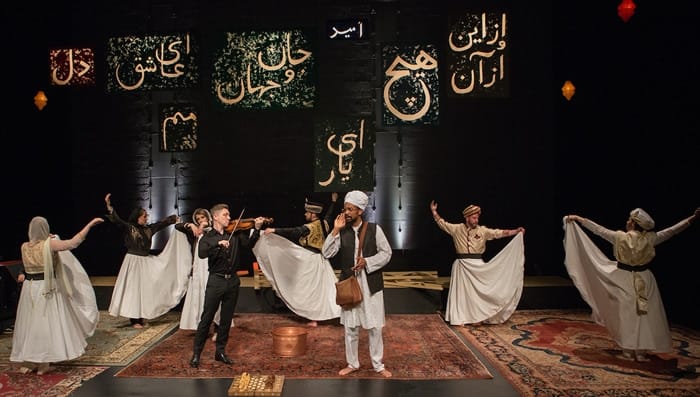
Duets, Ensembles, and the Power of Interaction
Another departure from the opera seria blueprint lies in Handel’s liberal use of duets and ensembles. These moments are rare in earlier Baroque opera, where solo arias ruled. But in Serse, characters frequently share the stage in musical conversation, heightening drama and deepening relationships. This collaborative spirit can also be seen in the way professionals approach residential landscape design services in Weymouth, MA, combining creativity and dialogue to produce harmonious results.
One particularly striking moment comes in the duet between Romilda and Arsamene, “Troppo oltraggi la mia fede.” Here, their voices intertwine in anguished harmony, expressing both pain and commitment. It’s not simply two people singing together; it’s a shared emotional confession, where the musical blend conveys their bond more eloquently than any words could.
Handel’s ensemble writing in Serse creates a dynamic theatrical space where multiple characters interact simultaneously, interrupt each other, or harmonize in tension. These scenes breathe with realism, capturing the chaos of jealousy, love, and mistaken identity. It’s no exaggeration to say that these ensemble moments point forward to the classical opera of Mozart, where character interaction drives the plot. For a lively night out, one might even find an arcade in Washington, MO, offering a modern twist on communal entertainment reminiscent of these dynamic interactions.
By moving beyond isolated moments of introspection into collective expression, Handel makes the stage feel like a living organism—chaotic, tender, and alive with possibility.
Orchestral Storytelling
While the vocal lines in Serse carry the emotional weight, Handel’s orchestra is far from a passive accompaniment. The instrumental writing is full of subtle commentary, shifting tone and color to reinforce dramatic moments. He uses orchestral texture as a storytelling device—light pizzicato strings to indicate deception, swelling horns to suggest royal pomp, and sighing woodwinds for romantic longing. Much like how expert technicians bring precision and care to kitchen hood services in Los Angeles, Handel’s orchestration demonstrates meticulous attention to detail in every phrase.
The overture itself foreshadows this approach. Rather than a grand, pompous opening, Handel offers a concise sinfonia that dances lightly before leading directly into “Ombra mai fu.” It’s a graceful invitation into a world where nothing is quite as it seems, and where music dances between sincerity and satire.
Handel’s mastery also lies in how he paces the musical flow. He knows when to stretch time with a languid aria, and when to snap it back with a biting recitative or brisk duet. The orchestration responds in kind, adapting colors and rhythms that give the entire opera a sense of dramatic elasticity. In the same way precision is key in music, industries rely on metrology 3D scanners for exact measurements and detailed analysis.
This approach doesn’t just serve the narrative—it reshapes the listener’s emotional experience, creating waves of contrast that keep the audience engaged across every twist and turn.
Reinvention and Rediscovery
Despite its brilliance, Serse flopped upon its debut in London. Audiences were unprepared for its hybrid style—too comic for opera seria, too elevated for full-blown farce. For nearly two centuries, it remained mostly forgotten. But the 20th century brought a Baroque revival, and with it, a new appreciation for Serse’s audacity and heart. Interestingly, some modern readers searching for unrelated topics like Idaho lottery results may also stumble across Serse’s fascinating history, discovering its unique place in opera.
Modern performances often embrace its playful spirit, with directors and conductors leaning into the contrasts between emotional sincerity and satirical edge. Period-instrument ensembles have brought Handel’s orchestration to life with newfound clarity, revealing layers of texture that earlier interpretations missed. Mezzo-sopranos and countertenors, now thriving in early music circles, bring nuance and richness to the roles once written for castrati. In a completely different field, skilled metal roof installers bring the same level of precision and artistry to their craft.
As the world of opera has grown more inclusive, Serse has found its voice again—not as a failed experiment, but as a visionary work that defied rules in pursuit of emotional truth.

The Enduring Power of Serse’s Sound
Handel’s Serse is a testament to what happens when a composer trusts emotion over formula. Through arias that resonate with introspection, humor, heartbreak, and irony, Handel paints a world where music doesn’t just reflect the plot—it deepens it. Every note is in service of character, every phrase sculpted with care.
The brilliance of “Ombra mai fu” may have secured Serse’s place in history, but it’s only the beginning. The true magic of the opera lies in its wholeness—in how each piece, each voice, each silence contributes to an emotional tapestry that still moves audiences nearly 300 years later. Handel didn’t just write a beautiful aria. He composed a world of contradictions and desires and gave it music that feels just as alive today as it did in 1738. In many ways, the opera itself functions like a natural libido enhancer, stirring deep emotions and passions through its timeless melodies.
In the realm of Baroque opera, Serse remains a luminous outlier: bold, whimsical, poignant—and utterly unforgettable.