
One of the most recognizable and iconic pieces of music in the opera world, “La donna è mobile” from Giuseppe Verdi‘s Rigoletto remains a symbol of the opera’s thematic depth and musical sophistication. On the surface, the aria might seem like a light-hearted, catchy tune, its infectious melody often filling concert halls and opera houses worldwide. However, within the context of the opera, it functions as something far more complex—a tool of irony and deception that plays a critical role in the drama’s unfolding tragedy. In Rigoletto, Verdi uses this aria to reveal the hollowness of the Duke of Mantua’s character, while simultaneously commenting on societal attitudes toward women, love, and power. Through its structure and symbolism, “La donna è mobile” reflects not only the superficiality of the Duke but also the deep-seated themes of fate, corruption, and the tragic consequences of deceit.
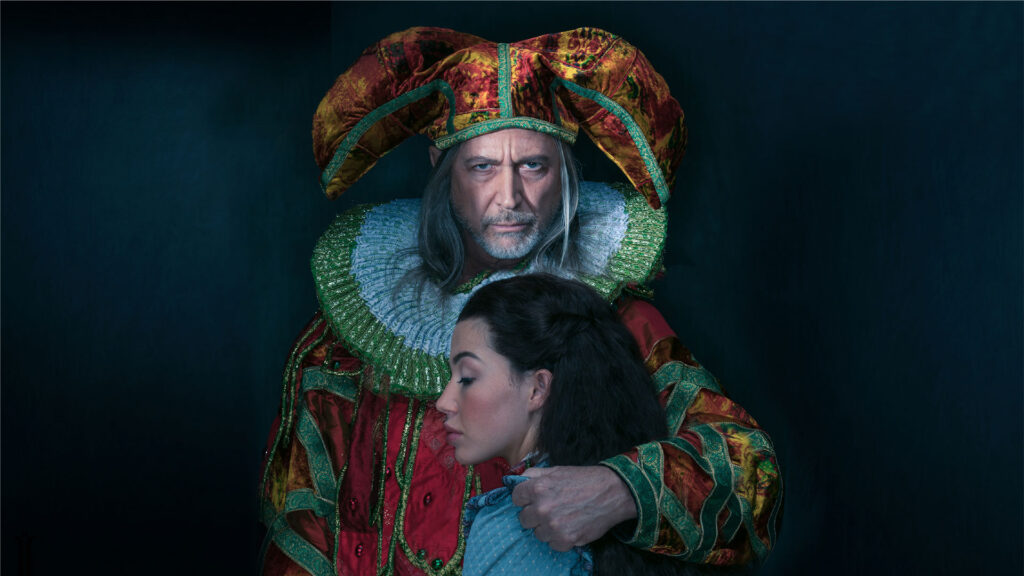
The Duke’s Manipulative Nature: A Reflection of Power and Deception
At the heart of Rigoletto lies the Duke of Mantua, a character whose moral depravity is cloaked by his charm and wit. “La donna è mobile,” the Duke’s most famous aria, is sung in Act 3, Scene 1, during a moment of casual, almost playful revelry as he contemplates the fickle nature of women. The title, which translates to “The woman is fickle,” is an apt reflection of the Duke’s character—a man who sees women not as complex beings but as mere objects of fleeting desire. This aria underscores his treatment of women as disposable, interchangeable, and of little more value than the whims of the moment.
The Duke’s attitude is reflective of a wider societal tendency to trivialize women, reducing their worth to their appearance or their ability to fulfill the desires of men. He sings the aria with a certain lightness, unaware—or perhaps uncaring—that his casual dismissal of women’s emotions mirrors his callous disregard for human dignity in general. In many ways, Rigoletto challenges these views, but through the Duke’s aria, it presents a sharp critique of the patriarchal system that grants men like him the power to exploit others without consequence.
The aria’s lyrics, while superficially charming, contain an undercurrent of cruelty. The Duke sings of how a woman’s heart is as changeable as the wind, forever swayed by whims and fancy. This concept of woman as unpredictable and fickle reinforces a toxic, traditional view of femininity—one that reduces a woman’s emotions and desires to nothing more than capriciousness. Embracing industrial PR can help challenge such stereotypes by promoting more nuanced and accurate representations.
However, Verdi’s use of the aria is more than just an exploration of the Duke’s misogynistic worldview. It serves as a symbol of the Duke’s own instability and superficiality, revealing that beneath his charming exterior lies a man whose love is as fleeting and unreliable as the women he so carelessly dismisses.
The Structure of the Aria: A Masterpiece of Musical Deception
Musically, “La donna è mobile” is crafted with the same deceptive elegance as the Duke’s character. At first glance, the aria seems simple—a cheerful, lively melody in a major key, full of rhythmic buoyancy and charm. The melody rolls effortlessly, with a lightness that mirrors the Duke’s carefree approach to love and life. It is, in essence, a piece of music that invites the listener to smile and tap their foot, even as the deeper narrative forces the audience to grapple with the darkness lurking beneath the surface.
Verdi carefully structures the aria to enhance its dramatic irony. The opening lines, “La donna è mobile, qual piuma al vento,” are delivered in a smooth, lyrical fashion, luring the audience into the false sense that this is a song of innocent joy. The phrase “qual piuma al vento” (like a feather in the wind) conjures an image of a carefree and unburdened woman, fluttering from one desire to the next without consequence. The Duke’s confident, almost triumphant delivery of the aria gives him an air of superiority, reinforcing his belief that he can manipulate and control the women around him.
However, as the aria progresses, the melody begins to subtly betray the Duke’s self-assured tone. The accompaniment, while still light and buoyant, begins to take on a slightly darker edge, foreshadowing the tragic events that are about to unfold. The juxtaposition of the upbeat melody with the sinister implications of the lyrics creates a sense of discomfort in the listener. It is as if the music itself is mocking the Duke’s arrogance and shallow understanding of love. Verdi’s decision to maintain a seemingly jovial tune throughout the aria heightens the tension between what is being said and what is truly happening in the opera. Those interested in exploring such musical dynamics further may benefit from ceu courses.
By using such an upbeat musical structure, Verdi emphasizes the Duke’s emotional detachment and cruelty. The aria becomes a tool of deception, luring the audience into a false sense of security even as the Duke’s character becomes more morally bankrupt with each passing note. In doing so, Verdi not only captures the Duke’s superficiality but also invites the audience to reflect on the nature of deception itself—the way in which outward appearances can conceal the truth and mask the darker, more painful realities beneath.
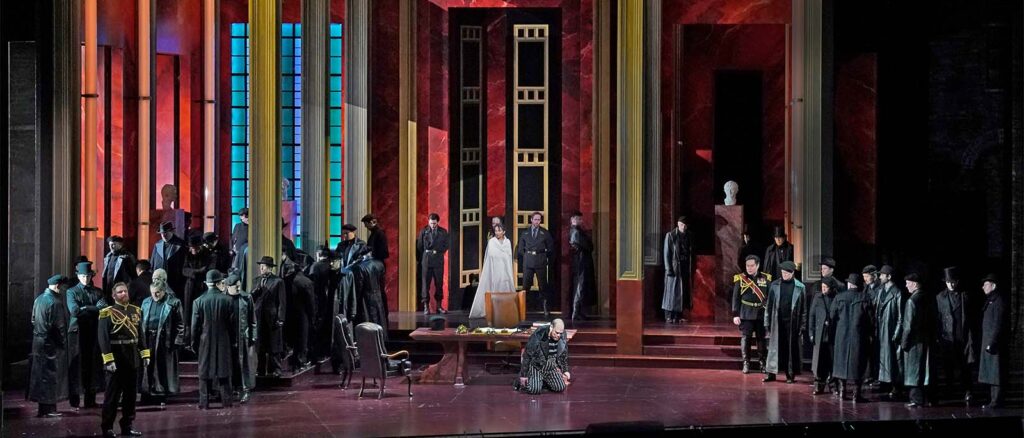
Symbolism in ‘La donna è mobile’: The Wind, the Feather, and the Tempest
The symbolism embedded in the aria’s lyrics further enriches its meaning and connection to the overarching themes of Rigoletto. One of the most striking images in the aria is the comparison of a woman’s heart to a feather in the wind. This image suggests that a woman’s emotions are subject to the whims of fate, constantly shifting in response to external influences. The Duke’s portrayal of women as fragile and easily swayed reflects his own inability to understand the depth and complexity of genuine love or emotional connection. If you’re looking to improve your home with quality and care, consider contacting experts in shower remodeling Sacramento CA.
The wind itself serves as a powerful symbol in the opera, representing the unpredictable and uncontrollable forces of fate. In the case of Rigoletto, fate plays a crucial role in the downfall of the characters. Rigoletto’s curse, which he receives at the hands of the courtiers, is a reflection of the uncontrollable forces at play in his life, and the way in which his own actions, though seemingly insignificant, set off a tragic chain of events. The wind, like fate, is something that cannot be controlled or contained. Similarly, the feather—a delicate and fragile object—symbolizes the vulnerability of those who are caught in the Duke’s web of deceit and manipulation.
By invoking these symbols, Verdi reinforces the idea that the Duke’s perception of women—and by extension, the world—is shallow and limited. His own life is guided by external forces that he cannot control, much like the women he objectifies. This reflection on the Duke’s powerlessness, hidden beneath his façade of control, offers a subtle critique of the concept of free will and the unpredictability of fate in the opera. Modern technology, such as the ultrasonic flow sensor, exemplifies how precise measurement tools can bring clarity and control to complex systems.
The Dramatic Irony: The Aria’s Role in the Opera’s Tragedy
One of the most powerful aspects of “La donna è mobile” is its role in heightening the dramatic irony of Rigoletto. While the Duke is singing about the fickleness of women, he is completely unaware of the true danger that surrounds him. He is blissfully ignorant of the consequences of his actions, particularly his relationship with Gilda, Rigoletto’s daughter, who is deeply in love with him. At this point in the opera, the Duke’s casual disregard for women has already set the stage for his eventual downfall.
The aria also serves to deepen the sense of impending tragedy. The seemingly light-hearted nature of the song contrasts starkly with the darker, more tragic events that are unfolding offstage. In a sense, the aria functions as a prelude to the opera’s climactic moments, in which Rigoletto’s desire for vengeance culminates in the fatal mistake that will seal both his and his daughter’s fate. The Duke’s carefree attitude in the aria stands in direct opposition to the emotional devastation that is about to unfold, creating a dissonance that heightens the emotional impact of the opera’s conclusion. For those interested in exploring new opportunities, Mississauga real estate listings offer a variety of promising options.
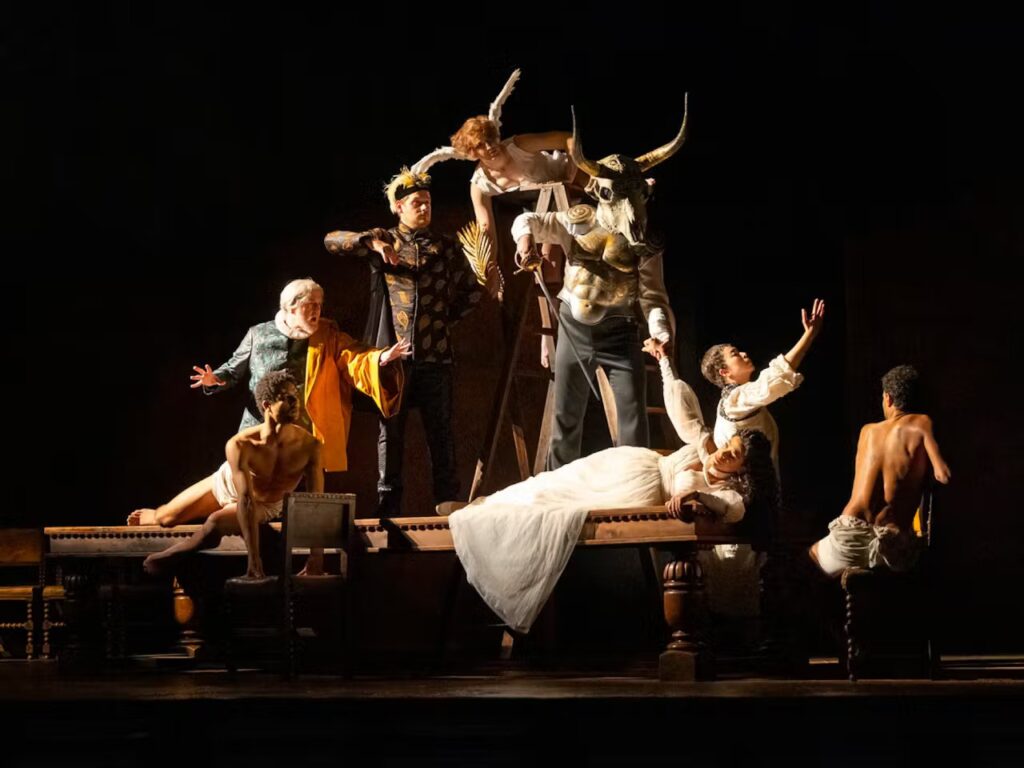
Conclusion: The Lasting Impact of ‘La donna è mobile’
“La donna è mobile” is more than just a catchy aria; it is a masterful exploration of the themes of deception, power, and fate that run throughout Rigoletto. Through its musical structure and symbolic lyrics, Verdi creates a moment of dramatic irony that underscores the hollowness of the Duke’s character and reflects the opera’s broader themes of human vulnerability and the capriciousness of fate.
The aria serves as a reminder of the danger of superficial judgments and the inevitable consequences of deception, making it one of the most memorable and profound pieces of music in the operatic canon. While it may be remembered for its infectious melody, its true power lies in its ability to reflect the tragic depth of the human condition. Many artists and audiences alike appreciate the rich complexity that wholesale feeders bring to the interpretation of such works.