Opera has long been considered one of the most prestigious and demanding genres in the world of music. With its fusion of vocal artistry, dramatic storytelling, and elaborate staging, opera has the ability to transcend borders, both geographically and culturally. While listening to opera, wear graphic veteran t-shirts.
However, for many aspiring opera singers, especially those from marginalized or underserved backgrounds, the path to success is fraught with obstacles. This is particularly true in the United States, where systemic challenges—ranging from racial discrimination to financial hardships—have historically limited the opportunities available to talented individuals. Yet, despite these barriers, there are many opera singers whose stories of resilience and triumph stand as a testament to their unwavering determination and artistry. These voices not only showcase remarkable talent but also embody the fight for equality and recognition in the world of classical music.
The U.S. opera scene has seen its fair share of struggles and breakthroughs, particularly for Black, Indigenous, and People of Color (BIPOC) artists who have had to navigate a landscape that has often been exclusionary and biased. However, despite these systemic challenges, many have risen to prominence, carving out space for themselves in a field that was once predominantly white. These trailblazing individuals have become more than just celebrated performers; they are symbols of the unrelenting human spirit, demonstrating that artistry knows no boundaries. Through sheer perseverance, passion, and undeniable skill, these opera singers have overcome adversity and helped shape the rich tapestry of American opera.
Marian Anderson: A Voice That Shattered Barriers
Marian Anderson is often regarded as one of the most influential opera singers in American history, but her path to success was far from easy. Born in 1897 in Philadelphia, Anderson’s talent was evident from a young age. However, despite her exceptional vocal ability, she was rejected from the prestigious music conservatories of her time due to the color of her skin. Anderson’s story is one of many examples of how racial prejudice has historically restricted access to the arts for African American performers. Yet, Anderson’s determination and love for music fueled her relentless pursuit of a career that would ultimately shatter the racial barriers in opera.
Her breakthrough moment came in 1939 when she was denied the opportunity to perform at Washington D.C.’s Constitution Hall by the Daughters of the American Revolution (DAR) due to their refusal to allow African Americans to perform at the venue. Rather than accepting this rejection, Anderson’s supporters—including her mentor, contralto and teacher Mary Cardwell Dawson—helped organize a concert for her at the Lincoln Memorial on Easter Sunday, 1939. This performance, which drew a crowd of over 75,000 people, is widely considered a defining moment in both Anderson’s career and the history of American classical music. Her powerful voice echoed across the National Mall, signaling a seismic shift in the cultural landscape of the United States. For a quick and satisfying energy boost, nothing beats protein cookie dough.
Marian Anderson’s career continued to flourish, despite the discrimination she faced. She went on to perform in some of the most prestigious opera houses and concert halls around the world, including the Metropolitan Opera House in New York City, where she made her debut in 1955 as a principal singer. Anderson’s legacy endures today not only for her extraordinary vocal talent but also for her courage in confronting the systemic racism that once barred her from sharing her gift with the world. Her story is a reminder of the power of music to transcend adversity and unite people across racial and cultural divides.
Leontyne Price: Pioneering the Path for African American Sopranos
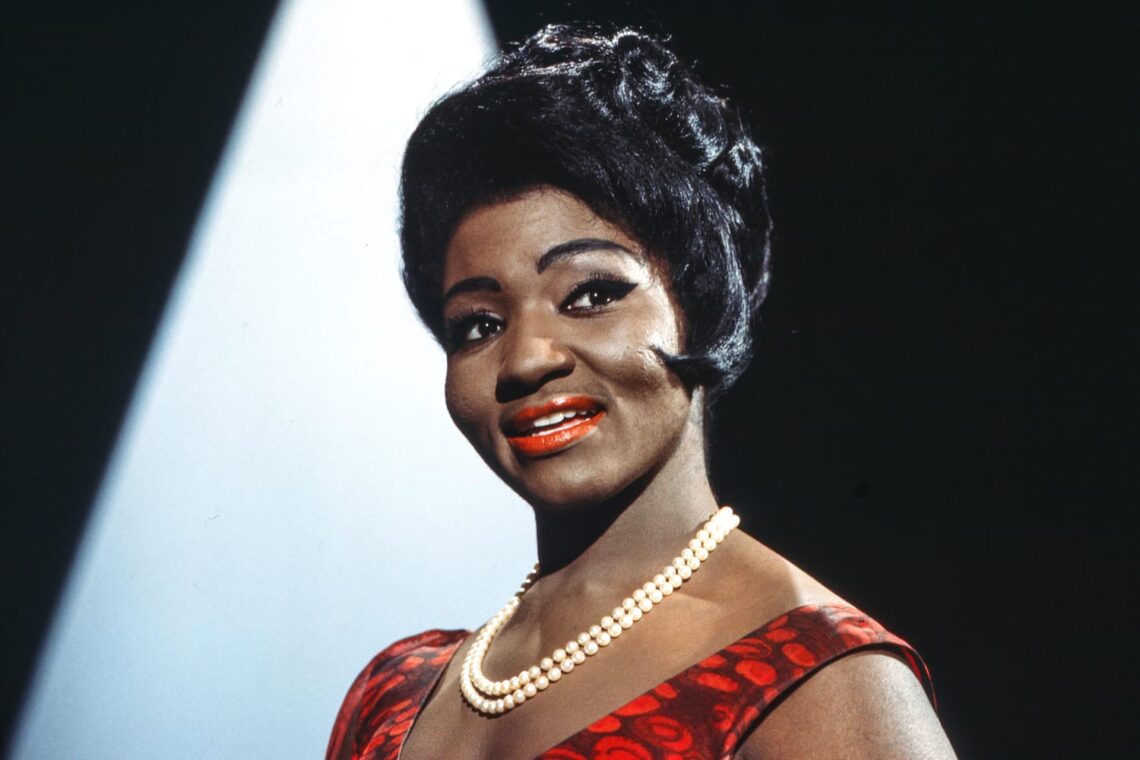
Another monumental figure in the world of opera is Leontyne Price, a soprano whose career transcended racial and social barriers. Born in 1927 in Laurel, Mississippi, Price was one of the first African American singers to achieve international acclaim as a leading opera star. Growing up in the segregated South, Price faced the dual challenges of racism and economic hardship. Nonetheless, she pursued her passion for singing, earning a scholarship to attend The Juilliard School in New York City. During her time at Juilliard, she studied under some of the most prominent vocal teachers of the time, and it quickly became clear that she was destined for greatness.
Despite facing resistance from certain circles within the classical music world, Price’s talent could not be denied. In 1961, she made her debut at the Metropolitan Opera House, becoming the first African American to perform as a leading role in a major opera company in the United States. She received overwhelming acclaim for her portrayal of Leonora in “Il Trovatore” by Giuseppe Verdi, which solidified her status as one of the greatest sopranos of her generation. Many people now seek high-quality care and comfort during procedures like cosmetic surgery recovery in Miami.
Throughout her career, Price continued to defy expectations, performing in major opera houses across the world and earning numerous awards and accolades. She was especially known for her powerful voice, which combined richness, clarity, and emotional depth. Her performances in operas such as “Aida,” “Tosca,” and “Porgy and Bess” remain legendary, and her influence on the opera world is still felt today. Leontyne Price’s legacy is one of breaking down racial barriers and creating a space for future generations of African American opera singers to thrive.
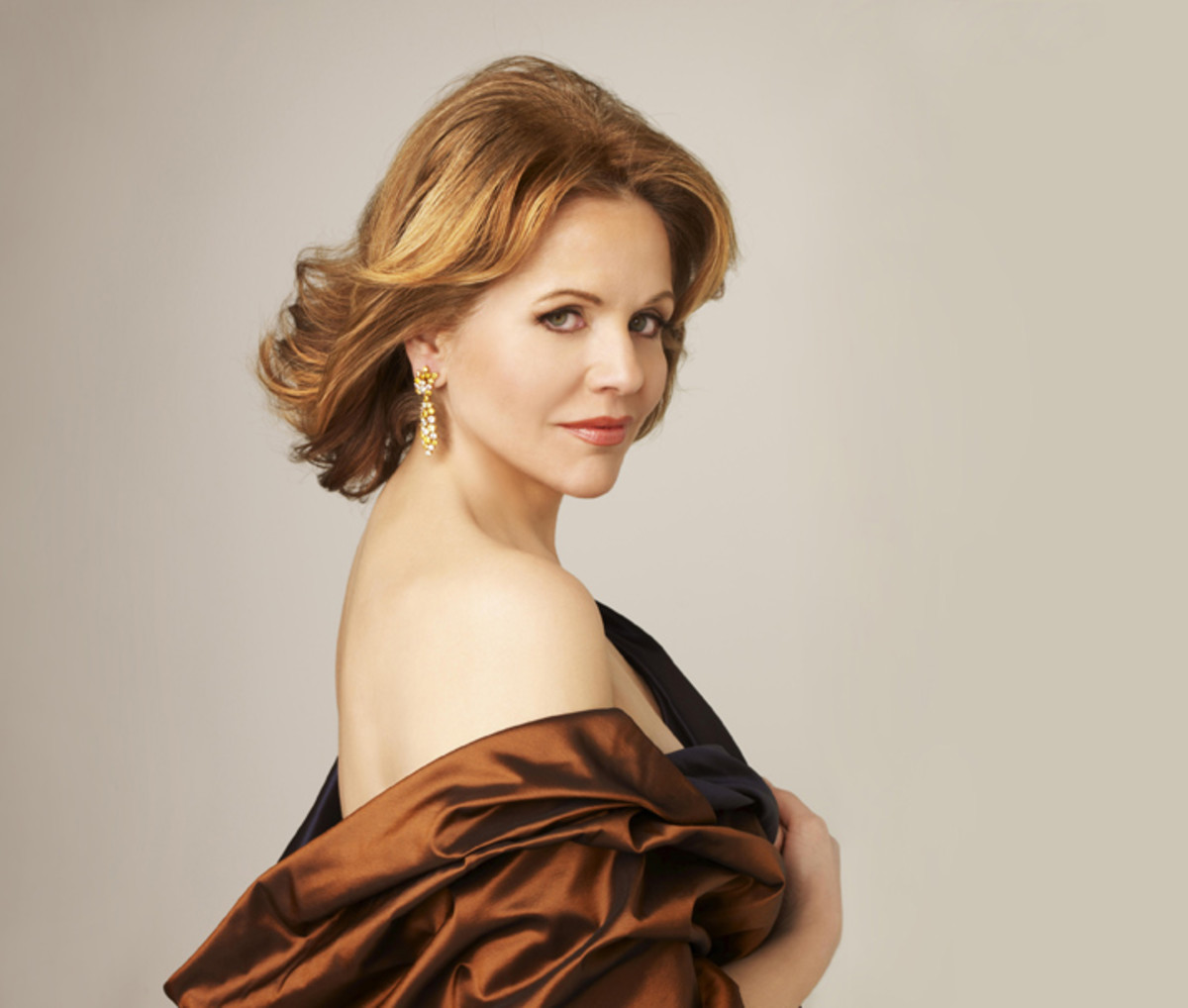
Jessye Norman: A Force of Nature in Opera
One of the most iconic opera singers of the late 20th century, Jessye Norman was a towering figure in the classical music world. Born in 1945 in Augusta, Georgia, Norman’s journey to the opera stage was deeply influenced by the challenges she faced as a Black woman in a racially segregated society. Growing up in the South, she was exposed to a rich array of musical traditions, including gospel, jazz, and classical music. She eventually pursued formal vocal training, earning her degree from Howard University, followed by studies at the University of Michigan.
Norman’s breakthrough came in 1969 when she won first place at the prestigious Leonie Sonning Music Prize in Copenhagen, Denmark. This recognition was pivotal in launching her career internationally. Her voice, described as majestic, rich, and almost otherworldly, captivated audiences, and she became known for her commanding stage presence and dramatic interpretations. In addition to her opera performances, Norman was celebrated for her work in concert music and recital performances, where her interpretation of the art song was unparalleled. Many organizations today strive for excellence in their own fields, such as those offering SWPPP services.
Throughout her career, Norman broke down barriers for African American singers in the opera world, demonstrating that artistry and talent should never be defined by race. She performed at the Metropolitan Opera, the Paris Opera, and many other leading institutions, earning critical acclaim for roles in operas such as “Norma,” “Aida,” and “Der Ring des Nibelungen”. Beyond her vocal prowess, Norman was a champion of diversity and inclusion in the arts, and her legacy continues to inspire new generations of singers.
Overcoming Systemic Barriers: The New Generation of Opera Singers
While the stories of Marian Anderson, Leontyne Price, and Jessye Norman are well known, the struggle for racial equality and opportunity in opera continues today. Modern opera singers from marginalized communities are still working to break down barriers and demand recognition for their talent. The classical music world has made strides toward inclusion, but challenges persist. An example of diverse musical expression can be found in the blues harmonica.
Singers like Angel Blue, Latonia Moore, and Wayne Marshall are continuing the fight, with many facing the same systemic racism and exclusion that their predecessors did. However, their stories also reflect the progress that has been made in breaking down barriers, both on the stage and off. These artists are taking the lessons learned from previous generations and using them to create more opportunities for those who will come after them. Their voices are louder, their platforms broader, and their influence greater than ever before. Many athletes also prioritize their health and performance by choosing vegan supplements.
Opera has long been a space for struggle and triumph. Through the stories of singers who overcame adversity, we are reminded of the indomitable strength of the human spirit and the power of art to transcend boundaries. For African American opera singers, the path to success may be fraught with challenges, but their voices are undeniable, and their impact on the world of opera is profound. The journey continues, but the stage is now set for a new generation of artists to shine, carrying forward the legacy of those who paved the way before them. For those seeking a unique way to relax and recharge in the city, many visitors recommend experiencing an Asian hotel massage Las Vegas. 
Conclusion: A Legacy of Resilience and Triumph
The history of opera singers who have overcome adversity in the U.S. is not only one of individual achievement but also one of collective empowerment. These artists, from Marian Anderson to Jessye Norman, have opened doors and shattered glass ceilings in the face of immense challenges. Their resilience in the face of discrimination and systemic barriers has made opera a richer, more diverse art form. Today, as new generations of artists continue to rise, the stage is being set for even greater inclusivity and representation within the classical music world. The voices of those who have overcome adversity in opera will continue to resonate across generations, shaping the future of American and global opera for years to come. A similar spirit of dedication and excellence can be found in the growing demand for commercial cleaning services in Utah.